
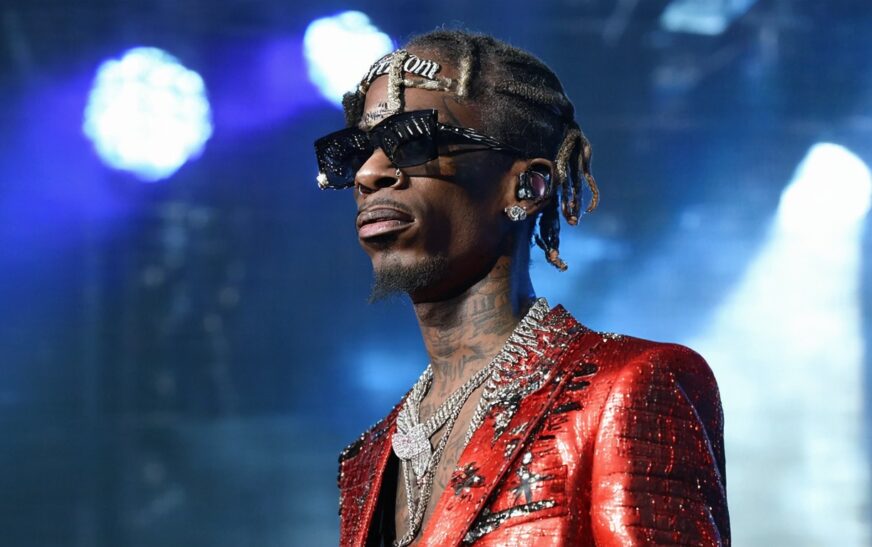
Young Thug, born Jeffery Lamar Williams, wields an outsized influence both in the music industry and online, with Twitter as a primary arena for his thoughts and announcements. Through the years, his tweets have ranged from cryptic musings and song teasers to heated rebuttals and moments of vulnerability. As social media’s grip over public perception of celebrities tightens, following Young Thug’s Twitter activity offers a window into not only his artistry but also the broader dynamics between artists, fans, and media culture.
The Role of Twitter in Young Thug’s Public Persona
Young Thug’s relationship with Twitter is emblematic of the modern celebrity’s use of social media; the platform serves both as an amplifier and a liability. When major albums drop or controversy swirls, his timeline becomes a focal point for hip-hop fans and culture watchers alike. Thug’s tweets often reflect the dichotomy between authenticity and performance, as he navigates public scrutiny and personal expression in real time.
Transparency, Teasers, and Connection With Fans
Among the most distinctive elements of Young Thug’s Twitter is his direct connection to fans. Whether teasing unreleased tracks or reacting spontaneously to pop culture events, his posts tend to be raw and immediate, avoiding the sanitized tone sometimes favored by PR teams. Notable instances include impromptu snippets of upcoming collaborations, heartfelt replies to fan art, and even major announcements, such as the surprise MIC OUT mixtape.
“Artists who remain candid and unfiltered on social media often command the strongest followings—a trend that Young Thug exemplifies with his Twitter approach,” says hip-hop digital strategist Kayla Morrison. “His willingness to pull back the curtain, for better or worse, sparks loyalty and constant engagement.”
This transparency also builds anticipation around his releases. When Young Thug drops cryptic tweets hinting at future projects or changes in his sound, fans and industry insiders alike flock to comment sections and threads, fueling cycles of speculation and hype.
Crisis Communication and Defending His Reputation
Twitter, for all its benefits, is also a crucible for controversy. When facing legal battles, rumors, or industry disputes, Young Thug has turned to the platform to clarify, vent, or rebut. This strategy is not without risk; public statements can inflame tensions or become fodder for viral misinformation. A recent example includes his posts addressing rumors during his ongoing legal proceedings—tweets that quickly trended and were dissected widely in rap media circles.
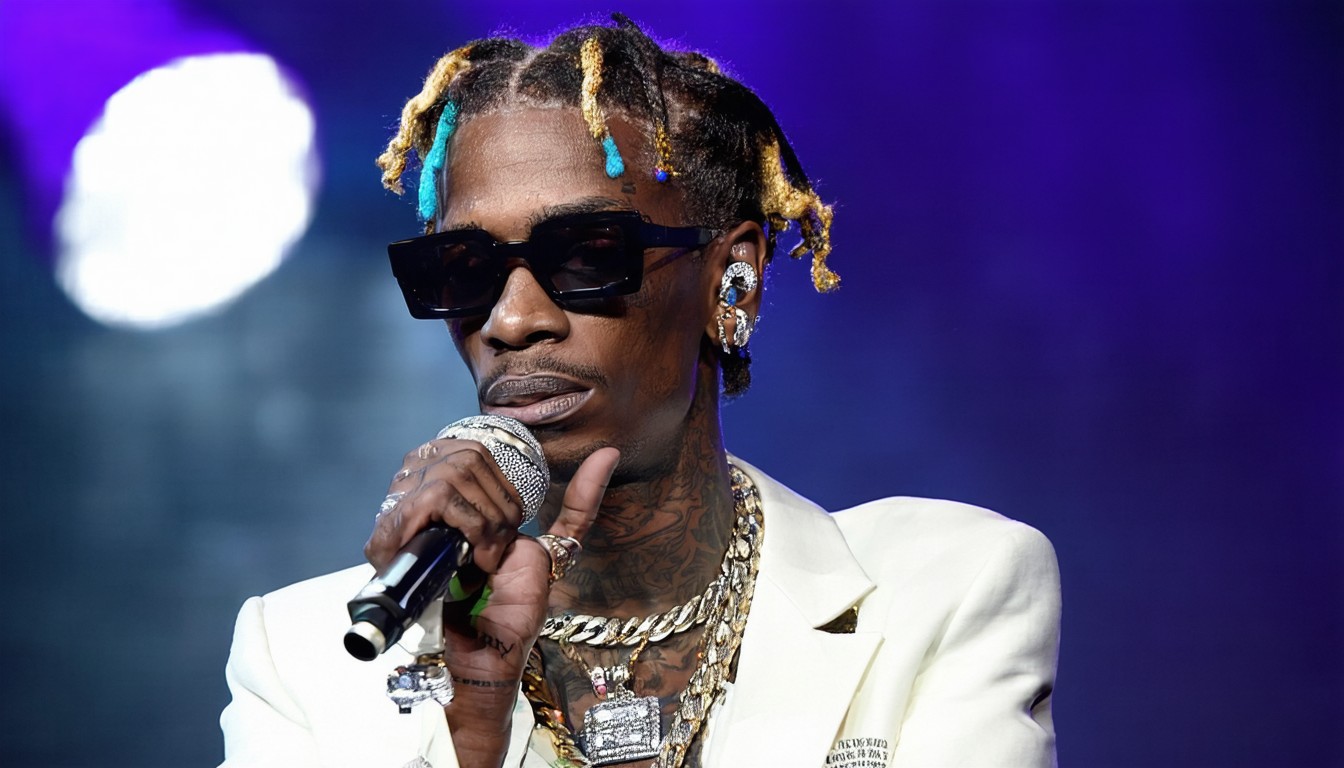
Alongside moments of conflict, Young Thug’s Twitter is peppered with messages advocating for friends and collaborators. During highly publicized arguments between artists, he often aligns with peers in the form of supportive tweets or subtle shade. These instances reinforce his reputation as a fiercely loyal industry insider, while sometimes breathing new life into rap feuds that dominate trending topics.
The Impact of Young Thug’s Tweets on Music and Culture
Young Thug’s Twitter activity has proven influential beyond his personal brand. His interactions with fellow artists frequently set off waves of new collaborations, open support for emerging talent, and even genre-wide trends.
Viral Moments and Meme Culture
Several of Young Thug’s tweets have transcended social media to become memes, hashtags, or rallying cries. References to his eccentric style, idiosyncratic phrasings, or heartfelt confessions are regularly recycled within hip-hop communities. Fans point to his infamous “I’m with whatever” tweet as emblematic of his off-the-cuff charm, spawning a motif repeated in both fan art and song lyrics across the genre.
Announcements, Rollouts, and Strategic Leaks
The current landscape of music promotion rewards artists willing to leverage surprise and novelty. Young Thug often uses Twitter as a frontline channel to announce album drops, concert tours, and exclusive merchandise. By circumventing traditional press cycles, he maintains control of his narrative and keeps enthusiasm high.
A marked example involved the stealth rollout of his “Business Is Business” album. Sparse but suggestive tweets seeded rumors and anticipation for weeks, culminating in a midnight release that dominated rap discussion boards and YouTube reaction channels in the days that followed. This strategic use of Twitter, echoing similar tactics by superstars like Beyoncé or Tyler, the Creator, underscores the platform’s power for direct-to-fan communication.
Supporting Peers and Shaping Industry Norms
Beyond the promotion of his own work, Young Thug’s Twitter has amplified voices in Southern hip-hop, offering public co-signs to rising artists. His endorsement of Gunna and Lil Baby on social platforms helped boost their early profile, illustrating how established artists can accelerate careers simply through digital validation.
In practice, these co-signs often function as informal passes, signaling to fans and gatekeepers that new voices deserve attention. Major streaming numbers and playlist inclusions frequently follow, confirming the influence of vocal, public support in an era where visibility equates to viability.
Controversies and Challenges in the Social Media Spotlight
While Young Thug’s Twitter remains a potent tool, its dangers are no less real. In recent years, legal battles and rumors have posed significant reputational threats, many of which play out on social media long before they reach courts or media outlets. Screenshots of deleted tweets and speculative comment threads often complicate legal or PR strategies for celebrities in Thug’s position.
The Double-Edged Sword of Instant Communication
Beyond interpersonal drama, artists increasingly grapple with the permanence of online statements. Tweets sometimes resurface years later, out of context, influencing ongoing narratives about character and credibility. Young Thug, like many in the public eye, has faced scrutiny for past posts recirculated during moments of controversy.
In response, some artists have leaned on “finsta” (fake Instagram) and backup social accounts, but Twitter’s scale and searchability make such privacy measures difficult to enforce. For Young Thug, maintaining openness without undermining his legal and business interests has become a nuanced balancing act.
The Response of Media and Fan Communities
Media outlets frequently mine Young Thug’s tweets for stories, headlines, and trending topics. Major announcements are often followed immediately by online think pieces and analysis videos. This cycle keeps Thug’s brand perennially in the spotlight but also heightens the stakes of every post.
Artists, managers, and digital agencies pay careful attention to analytics and user sentiment around star Twitter accounts. High engagement and positive sentiment translate into tangible results: ticket sales, stock movement for affiliated brands, and increased streaming across platforms. Conversely, social missteps can dampen momentum, as negative hashtags and online petitions may pressure brands and collaborators to distance themselves.
How Young Thug’s Twitter Mirrors Broader Hip-Hop Social Media Trends
Young Thug’s Twitter presence serves as a case study in the evolving relationship between celebrity, technology, and fan engagement. The platform has become an indispensable space for narrative control—whether for celebrating wins, addressing controversy, or building coalitions with peers.
The Shift Toward Real-Time Storytelling
Artists are pushing beyond canned promotions and PR boilerplates, transitioning to more interactive, unfiltered forms of communication. Twitter, with its real-time cadence, fosters a sense of access that is difficult to replicate elsewhere. For fans, the hope of replies or retweets from stars like Young Thug injects extra dynamism into the artist-fan relationship.
“Social media, and Twitter in particular, has fundamentally changed how hip-hop artists control their stories. The rise of direct channels lets fans feel close to the action—and even shape it,” observes music journalist Kristopher Ingram.
Brand Building in an Era of Constant Visibility
Young Thug’s ability to harness the platform for self-expression, business moves, and community building demonstrates the multifaceted potential of Twitter for artists and brands alike. As artificial intelligence and new algorithms transform social discovery, the authentic, sometimes chaotic energy of Young Thug’s tweets remains a key differentiator.
Conclusion
Young Thug’s Twitter feed traces the highs, lows, and unpredictability of a superstar’s public life. His tweets are not only entertainment or hype machines; they help define new norms for interaction, narrative-building, and controversy management across the music industry. By closely watching his online moves, one can better understand the ongoing evolution of hip-hop culture in a hyper-connected age.
FAQs
What is Young Thug’s official Twitter handle?
Young Thug’s verified Twitter handle is @youngthug. It’s the primary source for his official updates, announcements, and direct fan engagement.
How often does Young Thug tweet?
His posting frequency varies widely, with bursts of activity during album rollouts, breaking news, or industry controversies. Periods of silence often follow, especially amid legal proceedings or creative retreats.
Why do Young Thug’s tweets often trend?
His tweets spark viral interest due to his influence in hip-hop, cryptic wording, and candid reactions to news and online debates. Media outlets and fans rapidly amplify his posts, resulting in regular trending topics.
Has Young Thug ever deleted tweets after controversy?
Yes, like many public figures, Young Thug has deleted tweets—typically in the wake of backlash, misunderstandings, or legal developments. Nonetheless, screen captures and recirculated posts often keep deleted content in public conversation.
How have Young Thug’s tweets impacted his career?
His Twitter presence has helped cultivate intense fan loyalty and anticipation for his projects, but it’s also contributed to controversy. The immediacy and reach of Twitter amplify both positive and negative outcomes.
Are Young Thug’s Twitter posts managed by a team?
While some celebrities enlist social media managers, Young Thug’s posts tend to reflect a personal, unfiltered style, suggesting substantial direct involvement, especially for spontaneous or emotional tweets.