
—within the requested range.
MTV: A Look Back at the Music Television Revolution
MTV revolutionized how we experience music. Launched in 1981, it didn’t just play songs—it put faces to sound, turned videos into culture, and shaped entire generations. This article walks through how MTV rose, changed media, and still echoes in today’s streaming world. Let’s go.
The Birth of a Cultural Powerhouse
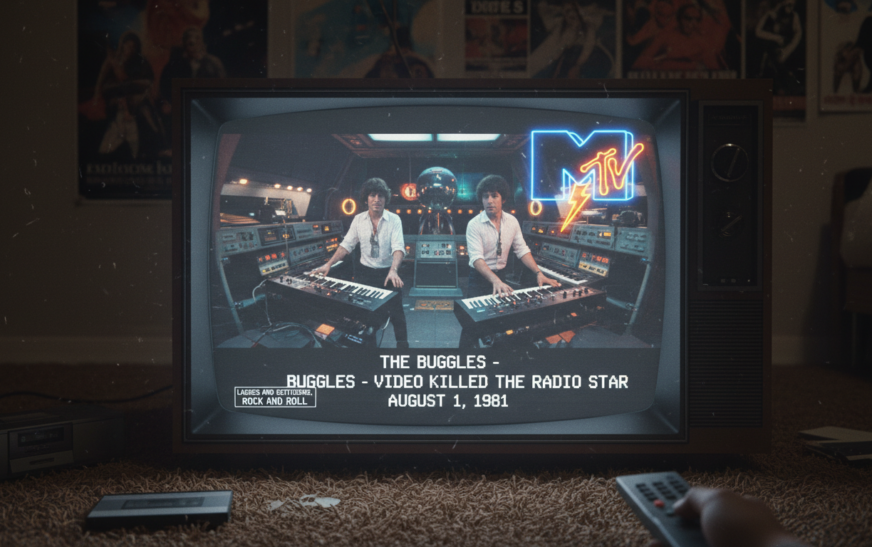
When MTV launched on August 1, 1981, with “Video Killed the Radio Star,” it rewrote the rules. Suddenly, music wasn’t just heard—it was seen. The network made artists into visual storytellers, and fans into visual consumers. That shift made music bigger, more immersive.
Before MTV, the music industry hinged on radio, records, and some live TV spots. MTV brought a 24-hour channel dedicated entirely to music videos—and visuals became central to music’s identity.
Visual Storytelling Becomes the Norm
MTV didn’t just give us videos—it demanded a visual narrative. Think about Michael Jackson in “Thriller,” or Madonna’s “Like a Virgin.” These weren’t just songs—they were mini films. The network encouraged creativity and made videos an art form in their own right.
This demand sparked a new era of production. Directors like David Fincher and Spike Jonze cut their teeth making music videos. Big budgets and cinematic styles became typical, with videos often delivering messages beyond lyrics—social commentary, avant-garde visuals, fashion statements.
Breaking Barriers and Building Icons
MTV played a big role in breaking down barriers—sometimes unintentionally. Early criticism pointed out a lack of diversity on the network. But it gradually adjusted. Michael Jackson’s “Billie Jean” and Prince’s “When Doves Cry” became iconic videos that couldn’t be ignored. Soon, artists of all backgrounds found airtime and fans.
Hip-hop’s rise also found shelter under MTV’s growing roof. As rap exploded in the ’80s and ’90s, the network introduced shows like Yo! MTV Raps. These platforms pushed new genres into the mainstream and reshaped the music scene.
Shaping Youth Culture and Trends
MTV didn’t just play music—it defined youth culture. VJs like Mark Goodman, Martha Quinn, and Alan Hunter guided viewers through playlists, gossip, and music news. That felt lived-in, like listening with friends.
Shows like MTV Cribs, Jersey Shore, and The Real World turned the channel into a pop-culture machine. These programs weren’t about music—they were about lifestyles, drama, and generation-defining moments. MTV blurred lines between music, reality, style, and celebrity.
MTV’s Changing Tune in the Digital Age
Then came the internet, YouTube, and streaming. The music video lost its exclusive home on MTV. You could watch any video at any time online. MTV had to adapt. They shifted focus to reality-based programming and behind-the-scenes content, leaning less on videos and more on personalities.
It wasn’t a drop-off—even if music took a smaller role, MTV remained a bellwether for trends. Their pivot showed how media must evolve in changing tech landscapes.
Today’s Echoes of MTV in Streaming
Fast-forward to today, and MTV’s DNA lives in platforms like YouTube, TikTok, and Instagram. Today’s artists release visual albums, do live Q&As, or drop short-form clips that go viral instantly. TikTok, especially, follows MTV’s idea of making music visual, discoverable, and inescapable.
Even genre-based networks—think BET or CMT—borrow MTV’s 24/7 video model. Though MTV rarely shows full videos now, it shaped an expectation: music must be seen as much as heard.
What Made MTV Irresistible
Four things made MTV a phenomenon:
- Instant visual connection: Music met imagery, adding a new layer to experience.
- Cultivated personalities: VJs became familiar faces. Viewers tuned in for music—and to hear from someone who felt relatable.
- Trendsetting content and attitude: Bold programming influenced fashion, language, and culture.
- Responsive innovation: MTV morphed when culture and technology demanded it—oddly, that’s now its legacy.
“MTV didn’t just broadcast music. It crafted identities—of artists and audiences alike.”
That sense of shared culture and visual energy still fuels music today.
Lessons from MTV for Today’s Media
On one hand, MTV revealed how powerful visuals are for music—and how identity ties deeply to image. On the other hand, it teaches us how important it is to evolve. Trends fade, platforms shift, formats break.
- Artists must think beyond audio. Visuals, branding, storytelling—they matter.
- Media platforms need to listen to shifts. When viewership fragments (like it did post-internet), content has to adapt or fade.
- Fans want connection. MTV gave it through faces, stories, drama. That connection is still key—even now.
Looking Forward: The Legacy Lives On
MTV’s golden era might be past, but its impact pulses through today’s media landscape. TikTok challenges, streaming videos, IG reels—they reflect MTV’s core: music must perform visually. The tools changed, but the desire for music-with-vision remains.
It’s tempting to say MTV faded. I’d argue it transformed—its spirit wrapped into every autoplaying clip, every viral song snippet, and every artist branding themselves through story and image.
No channel holds the same sway today. But flash a video clip, a bold outfit, a catchy chorus—and MTV’s influence is everywhere. That revolution didn’t end—it evolved.
FAQs
What was MTV’s biggest influence on music culture?
It turned songs into stories, forging a visual language for music that reshaped how artists connected with audiences globally.
Why did MTV move away from music videos?
The rise of online platforms made videos instantly available. MTV reinvented itself with lifestyle and reality programming to stay culturally relevant.
Did MTV help minority artists break into the mainstream?
Yes. Though criticized early on, MTV later featured trailblazing videos by artists like Michael Jackson and Prince, helping diverse voices gain mainstream visibility.
How is MTV’s legacy seen today?
In TikTok challenges, Instagram reels, streaming video releases—visual-first music culture owes a debt to MTV’s early playbook.
Is MTV still relevant now?
While it doesn’t dominate music anymore, its influence lives on digitally. MTV helped set a template that now thrives across modern platforms.