
Introduction
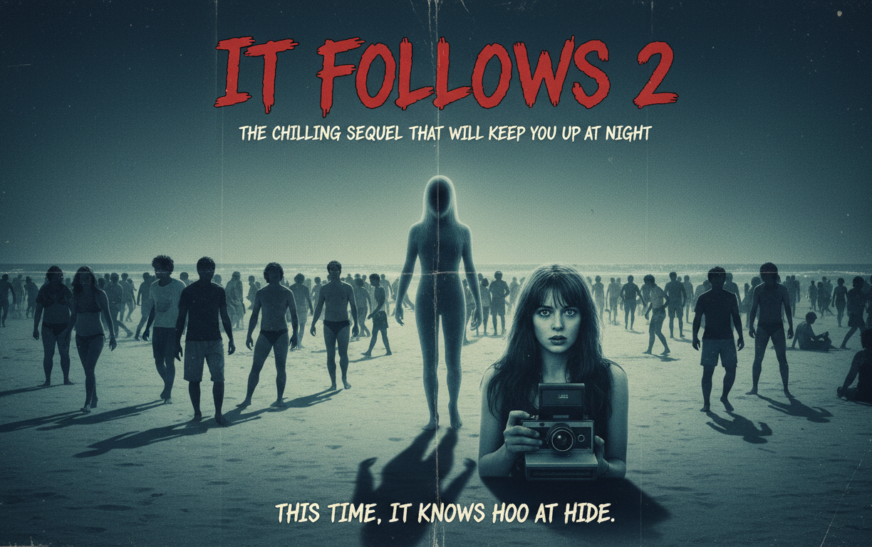
It Follows 2: The Chilling Sequel That Will Keep You Up at Night delivers a fresh, unsettling turn on the original’s dread, continuing the story with atmospheric terror and deeper themes that linger long after the credits. Right away, you sense something is off—and it stays that way, weaving quiet moments with creeping horror that make you think twice before sleeping.
The Unexpected Continuation of a Frightful Premise
The sequel revisits the “curse” in a way that feels both familiar and wholly new. It doesn’t just recycle scares; instead, it expands the mythos with different characters who grapple with that same oppressive dread. Beyond the jump scares, the film uses long takes and dissonant sound to heighten anxiety.
In case you thought it’d be all teenage angst again, think again. The tone shifts—maturing in cadence and mood. It unfolds more carefully, simmering rather than bursting, and that slow burn hits harder.
What Makes the Sequel Stand Out
A New Emotional Core
While the original focused on youthful panic and confusion, this sequel digs into trauma and survival. Characters aren’t just running—they’re trying to make sense of what they’ve been through. That emotional thread lifts the horror from mere chase to something emotionally grating.
Cinematic Style That Catches You Unaware
Long, lingering shots feel normal until they twist. You’re lulled into complacency—and then something subtle warps the scene. It’s not about going big; it’s about turning stillness into dread. You notice details: the lighting, background noise, slowly shifting shadows.
“The scariest horror doesn’t shout; it whispers,” says one horror-savvy critic—and that whisper carries the sequel.
Themes That Echo After the Film Ends
You sense themes of inevitability, the unseen burden we pass along, and how fear reinvents itself. It goes beyond supernatural tropes—the concept becomes a metaphor. When the lights come up, it stays with you.
How It Builds on Its Predecessor
Echoing the Original Without Repeating It
Familiar elements—like the slow retaliation and the sense of inescapable doom—are back, but executed with more nuance. The rules are the same but seen in a different light. That keeps long-time fans rooted, yet unsettled.
Subverting Expectations with Mature Tones
Gone is the predominantly adolescent lens. Instead, the focus is on what happens after—the wear, the anxiety, the paranoia. That shift lets the film explore mortality and consequence more deeply.
Tiny Details That Make a Big Difference
- Sound design — distant hums, quiet breathing, near-silent footsteps that seem too close. These small audio cues push tension.
- Pace — it’s uneven, in a good way. Quiet is longer. Moments of calm feel charged as if they’ll snap.
- Performance nuance — actors rivet you with small gestures. A glance over the shoulder, a pause in breathing, a handshake that still shakes.
Why It Respects Viewers by Not Over-Explaining
You don’t get every answer. The film trusts you to piece things together. That ambiguity sparks discussion and multiple viewings. Instead of wrapping everything up, it leaves questions in the dark—so you carry the story with you.
Real-World Context: Why Some Horror Sticks
Many successful horror films linger because they connect to deeper fears—loss, helplessness, inevitability. Modern entries like Hereditary or The Lighthouse tapped that. This sequel follows suit. It’s less about gore or shock and more about emotional resonance.
Concluding Summary
The sequel stands on its own while extending the eerie world of the original. It’s slow. It’s quiet. Sometimes you notice what’s not there before what is. It’s psychological and calculated. If you want a horror that weighs on your mind and makes quiet nights a bit louder, this is one you don’t want to miss.
FAQs
Q: Do I need to watch the original to understand the sequel?
You’ll follow the sequel’s story without the first film, but knowing the original adds emotional context and hints that deepen rewatching.
Q: Is it more jump-scare driven or psychological horror?
Psychological horror dominates here—there are scares, but most of the dread comes from atmosphere and suggestion rather than sudden shocks.
Q: Are there returning characters from the first film?
Some thematic echoes and references exist, but the sequel focuses mostly on new characters and fresh dynamics.
Q: How does the visual style differ from the original?
It maintains long takes and moody lighting, but leans darker in tone—more shadows, slower pacing, and a more unsettling rhythm overall.
Let me know if you want more depth—like behind-the-scenes, deeper breakdowns, or quotes from cast and crew!