

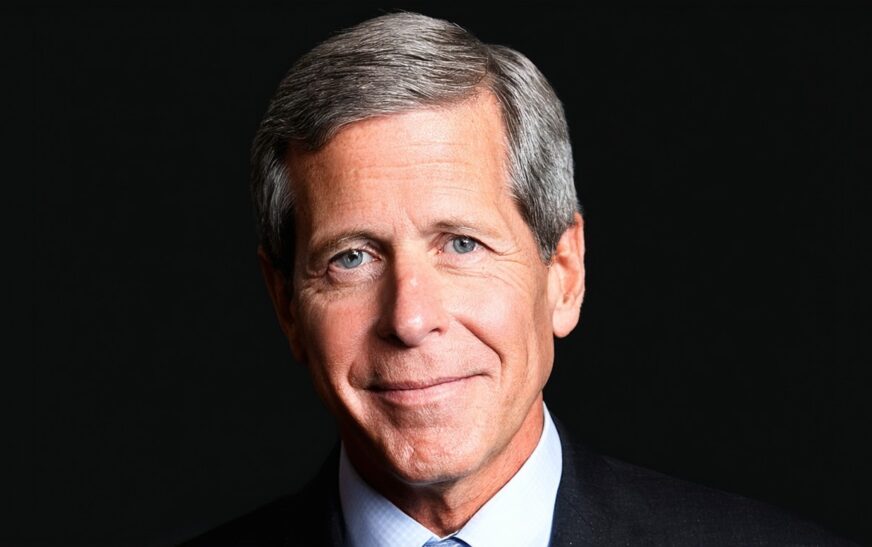
Few journalistic voices have endured and transformed with media as adeptly as Brit Hume. Once a traditional newsman in Washington’s corridors of power, Hume remains highly relevant in contemporary discourse—often through his candid, sometimes provocative presence on Twitter (now X). As political dialogue increasingly migrates to social media, his feed offers a telling barometer for public sentiment, mainstream media trends, and the ongoing tug-of-war between legacy journalism and digital commentary.
The Evolution of Brit Hume’s Social Media Voice
Brit Hume’s career spans decades, from his start at ABC News through his tenure as Fox News’ chief Washington correspondent and anchor. While his journalistic gravitas is rooted in fact-based reporting, his Twitter account has become a striking extension of his real-time analysis—a microcosm of media’s evolution.
Unlike static op-eds or carefully produced broadcasts, Twitter demands agility. Hume’s tweets reflect this immediacy, often responding to breaking events with succinct wit or sharp skepticism. This approach has grown his digital following far beyond legacy audiences. Now, his Twitter comments traverse trending topics—whether political polling, breaking scandals, or the shifting norms of media coverage.
“The medium of Twitter allows news veterans like Hume to blend analysis and opinion in real time, democratizing access to expert commentary while accelerating public debate,” notes media analyst Sarah Ingram.
But this digital shift is more than style. Hume’s engagement demonstrates the changing expectations placed on longtime journalists. Polished signature sign-offs have been replaced by rapid-fire exchanges, occasional quote-tweet battles, and dialogue with both critics and fans.
Key Themes and Recurring Topics on Brit Hume’s Twitter
Political Landscape and Media Critique
Consistent with his broadcast persona, Hume’s tweets often dissect national politics. His commentary is especially active during election cycles, debates, and policy crises. He’s known to spotlight perceived media biases—sometimes calling out major outlets for framing or omission. These critical takes resonate with an audience sensitive to “fake news” allegations and seeking unfiltered perspectives.
Notably, Hume frequently:
- Live-tweets debates and high-stakes hearings, providing context or calling out euphemisms.
- Retweets polling data, often with wry annotations or historical comparisons.
- Weighs in on controversial media coverage, dissecting narrative choices.
Fact-Checking and Clarification
A defining feature of Hume’s Twitter presence is real-time fact-checking. Drawing on decades of reporting, he’s quick to correct misinformation, challenge viral claims, or clarify political statements. For instance, when misleading videos or incomplete transcripts circulate, Hume often steps in with additional context.
This role isn’t without friction. His forthright style attracts both praise and heated backlash. Nonetheless, his corrections—delivered without the constraints of newsroom hierarchy—highlight a key function of journalist Twitter: acting as a public ombudsman.
Personal Perspective and Professional Experience
Hume’s posts offer glimpses into the intersection of personal conviction and professional objectivity. While he steers clear of sensationalism, his lived experience informs commentary on the evolution of American politics and the press itself.
Examples include:
- Recalling historical context when present-day claims lack nuance.
- Drawing sharp contrasts between past and current journalistic standards.
- Occasionally alluding to his own on-the-ground reporting from pivotal national events.
Beyond his own tweets, Hume regularly interacts with younger journalists and analysts, reinforcing generational bridges often absent from fast-paced social media threads.
The Influence and Reach of Brit Hume’s Tweets
Audience Engagement Metrics
Hume commands a substantial following—numbering in the hundreds of thousands—reflecting both his broadcasting legacy and current relevance. His tweets are frequently cited in media roundups, discussed on cable news, and referenced in partisan debate.
While not every post trends, his commentary during major news events often sees significant reach and engagement. This amplification serves both as a feedback loop and as currency in the attention economy.
Impact on Public Discourse
Even outside traditional newsrooms, Hume is a valued touchstone for partisan and independent onlookers alike. His ability to distill complex policy issues or legislative maneuvers into concise, shareable insights underscores why Twitter (X) is now integral to political journalism.
His critiques sometimes make headlines themselves—spurring debate and even official responses. For instance, a pointed tweet questioning a misleading headline can prompt newsroom clarifications or corrections, with ripple effects across network coverage.
Navigating Criticism and Controversy
Handling Online Backlash
The democratizing force of Twitter exposes public figures to relentless scrutiny. Hume is no exception; every tweet can generate waves of approval or sow controversy. His commitment to directness sets him apart but also opens him to sharply divided reactions.
Rather than shying from debate, Hume often addresses criticism head-on—engaging detractors, sharing additional evidence, or acknowledging when nuance is warranted. This transparency strengthens followers’ trust, even among those who may disagree with his stances.
Striking a Balance: Opinion Versus Reporting
As legacy journalists increasingly migrate to platforms like Twitter, questions of objectivity and advocacy become more pronounced. Hume’s approach threads the needle—balancing analysis with elements of opinion while upholding his reputation for fairness.
“Twitter exposes all of us—journalists especially—to instantaneous judgment. The discipline is to remain factual even when the platform rewards provocation,” observes journalism professor Alan Frederick.
In the era of viral soundbites and escalating polarization, this discipline distinguishes seasoned journalists’ online presence from that of influencers or activists.
Brit Hume’s Twitter in the Broader Media Ecosystem
Comparison with Peers
Hume’s Twitter persona stands apart from both cable anchors who promote shows and political pundits building brand identity. His posts are less about self-promotion and more focused on media literacy, factual context, and news curation.
Peer journalists—such as Jake Tapper or Chris Wallace—may engage similarly, but few maintain Hume’s deliberate spareness and gravitas. This approach appeals to audiences weary of performative outrage or clickbait tactics, seeking instead substantive commentary.

The Role of Veteran Voices on Social Platforms
Platforms like X (the rebranded Twitter) have democratized who shapes news cycles, but legacy experience remains a key differentiator. Hume’s background, investigative rigor, and commitment to fact-based dialogue set an implicit standard for journalistic engagement on social media.
His account functions as a touchpoint for assessing shifts in American media, offering a historical lens often missing from purely digital-native voices.
Latest Notable Tweets and Public Reactions
While the volume and variety of Hume’s tweets make cataloging each one impractical, several recent examples illustrate his ongoing influence:
- During major political debates, Hume delivered rapid, pithy reactions, dissecting candidates’ claims as they unfolded.
- In response to viral stories about Supreme Court decisions, he contextualized facts and reminded followers of constitutional history many overlooked.
- When mainstream media mislabeled statistics, he succinctly corrected errors—sometimes prompting official clarifications.
His mentions routinely attract attention from both the public and media insiders, sparking discussions that extend beyond the platform.
Conclusion
Brit Hume’s Twitter account is more than a digital notepad—it represents the intersection of lived journalistic experience and the immediate demands of a contentious, fast-moving information era. By blending succinct commentary, contextual corrections, and candid perspective, Hume models how legacy journalists can stay relevant and authoritative on rapidly evolving platforms. For audiences and aspiring journalists alike, Hume’s ongoing presence on X underscores the enduring value of credibility and context in public discourse.
FAQs
What is Brit Hume’s Twitter handle?
Brit Hume’s Twitter handle is @brithume. He remains active, offering commentary on politics, media, and current events.
How does Brit Hume use Twitter differently from other journalists?
Unlike some peers who use Twitter mainly for promotion, Hume leverages the platform for real-time analysis, fact-checking, and media critique. His tone is measured and rooted in decades of reporting experience.
What topics does Brit Hume often address in his tweets?
He frequently covers national politics, media accuracy, press ethics, and significant legal decisions, often providing context that draws on his background in journalism.
Has Brit Hume faced controversy for his tweets?
Yes, some of his posts have drawn criticism or sparked debate, especially when addressing partisan issues. However, he often engages directly with critics and clarifies his viewpoints when needed.
Can newcomers rely on Brit Hume’s Twitter for news updates?
While Hume offers insightful commentary and corrections, his Twitter should supplement—not replace—comprehensive news coverage. Readers benefit most by pairing his insights with diverse, credible sources.
Why do experts value Brit Hume’s presence on social media?
His voice brings historical perspective and journalistic rigor to a space often dominated by rapid reactions. This depth is seen as valuable by both followers and fellow journalists.