
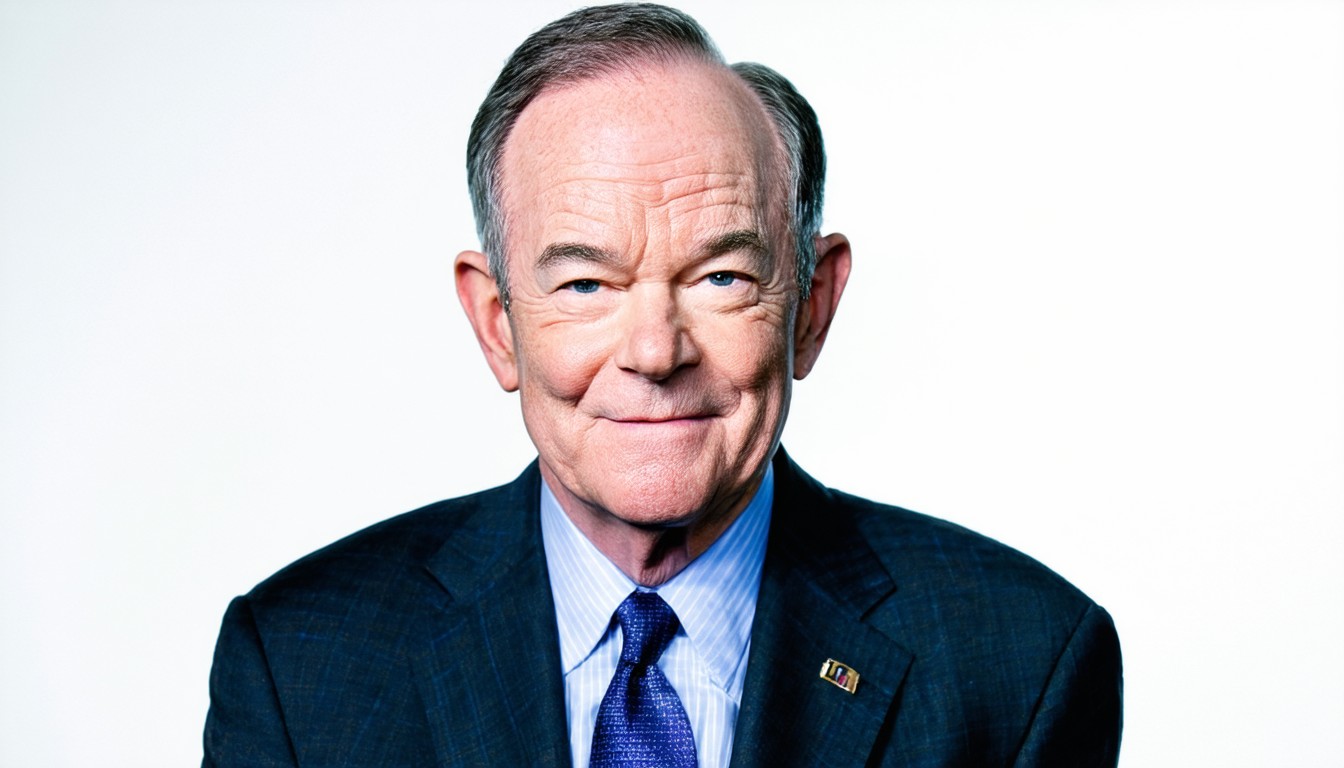
Bill O’Reilly remains one of the most recognizable voices in American media. From his decades-long tenure at Fox News to his best-selling books and podcast ventures, O’Reilly’s commentary continues to draw intense attention—especially on social media platforms like Twitter. This article dives into how Bill O’Reilly uses Twitter, what his official account reveals about his approach to public engagement, and why his presence continues to spark conversation well beyond mainstream television.
Bill O’Reilly’s Twitter Profile: A Digital Frontline for Commentary
On Twitter, Bill O’Reilly connects directly with a vast, highly engaged audience. His official handle, @BillOReilly, serves as both a megaphone for his opinions and a real-time newsfeed about his projects, from “No Spin News” podcast links to book announcements. With hundreds of thousands of followers, O’Reilly’s tweets frequently generate viral engagement and spur debate among both fans and critics.
The character of O’Reilly’s Twitter feed mirrors his on-air persona: blunt, unapologetic, and heavily focused on current events, U.S. politics, and media criticism. Rather than relying solely on traditional news, many people now turn to Twitter for rapid-fire takes and unfiltered commentary—O’Reilly’s specialty. This approach resonates in an era where audiences crave immediacy, authenticity, and, at times, controversy.
Engagement Patterns: How O’Reilly Uses Twitter to Shape Conversation
O’Reilly’s Twitter strategy stands apart in several key respects:
- Frequent Commentary: O’Reilly’s tweets often react instantly to breaking news, offering analysis or pointed opinions often within minutes of major developments.
- Content Promotion: He uses his feed to steer followers toward his other platforms, posting links to his podcasts, video content, and articles.
- Audience Interaction: Q&A sessions, retweets, and direct replies demonstrate a willingness to engage—albeit selectively—with his audience.
These practices align with broader trends observed among high-profile media personalities. Recent studies from Pew Research Center note that political commentators and journalists are among the most followed and engaged figures on Twitter, leveraging the platform to shape narratives in real time.
“Bill O’Reilly’s Twitter account plays a central role in maintaining his influence post-television. His steady digital presence lets him bypass traditional media gatekeepers and speak directly to his loyal base.”
— Media analyst and author, Susan Grant
O’Reilly’s ability to mobilize his followers around key themes—media bias, government accountability, free speech—reflects how Twitter amplifies not just content, but also personal brand.
The Impact of O’Reilly’s Tweets: Influence and Controversy
The influence of Bill O’Reilly’s Twitter presence is not limited to his core supporters. His tweets routinely spark headlines, trend nationwide, and attract robust debate from journalists, politicians, and public figures. Whether dissecting the latest election developments or weighing in on pop culture, O’Reilly’s digital voice carries weight far beyond a single platform.
Real-World Examples
- Election Coverage: O’Reilly’s Twitter commentary during national elections often garners widespread attention, occasionally drawing sharp reactions—or endorsements—from elected officials.
- Media Criticism: Tweets criticizing coverage by outlets like CNN or The New York Times typically prompt return fire from journalists and rival commentators, fueling ongoing cycles of debate.
- Book and Podcast Promotion: Announcements for book releases or special podcast episodes frequently become trending topics, illustrating the continued commercial power of O’Reilly’s brand.
Beyond individual tweets, O’Reilly’s use of Twitter exemplifies how newsmakers can set the agenda, frame key issues, and directly counter critics in real time. For many followers, his Twitter account represents a primary source of information, often supplementing—or supplanting—traditional news outlets.
Navigating Today’s Twitter Landscape: Opportunities and Pitfalls
Twitter remains a fertile ground for public figures like O’Reilly, but not without its risks. The same immediacy that powers viral engagement can also foster misunderstandings, flame wars, or reputational hazards. For O’Reilly, who is no stranger to controversy, this duality means carefully balancing provocation with credibility.
Challenges and Considerations
- Polarization: O’Reilly’s blunt style appeals to many but can alienate others, fueling polarization and echo chamber effects.
- Fact-Checking: High-profile accounts face heightened scrutiny; any missteps or statistical inaccuracies are often swiftly called out by other media or watchdog groups.
- Platform Changes: As Twitter evolves under new ownership and changing community guidelines, how public figures navigate topics like misinformation or harassment becomes more complex.
Despite these challenges, O’Reilly’s consistency and adaptability have allowed him to remain a prominent voice on Twitter. Unlike some media figures who shy away from direct engagement, he routinely wades into controversy—and, for his followers, this often enhances his authenticity.
Lessons and Insights From O’Reilly’s Twitter Practice
For journalists, commentators, and brands, O’Reilly’s approach highlights several instructive principles:
- Authenticity Drives Engagement: Audiences gravitate toward personalities who communicate with candor, even (or especially) when their views are divisive.
- Integrated Promotion Is Effective: Linking Twitter activity to other platforms—newsletters, podcasts, books—can extend reach and drive tangible results.
- Rapid Response Matters: Timely commentary on unfolding events captures attention and positions accounts as primary sources for breaking analysis.
Media strategists often point to O’Reilly’s digital persistence as a blueprint for maintaining relevance in a post-broadcast era. Despite shifts in both technology and public opinion, fundamental rules of compelling storytelling still apply.
Conclusion: Bill O’Reilly’s Twitter Legacy
Bill O’Reilly’s presence on Twitter encapsulates the unique blend of immediacy, controversy, and direct audience engagement that defines modern commentary. By combining rapid-response opinions, strategic amplification of his brand, and ongoing interaction, O’Reilly remains an influential—if sometimes polarizing—figure in American media. Whether one shares his views or opposes them, his sustained success online speaks to the enduring power of personality-driven discourse in the digital age.
FAQs
How active is Bill O’Reilly on Twitter?
Bill O’Reilly posts regularly, offering commentary on news, politics, and culture, as well as updates about his podcasts, books, and interviews.
Does Bill O’Reilly respond to his followers’ tweets?
He occasionally interacts directly through replies or retweets, especially when engaging in Q&A sessions or highlighting audience feedback.
What topics does Bill O’Reilly focus on in his tweets?
The majority of his tweets center on U.S. politics, media criticism, cultural commentary, and current events, reflecting themes familiar from his broadcasting career.
Does Bill O’Reilly use Twitter for more than sharing opinions?
Yes—he regularly promotes his other media ventures, including podcasts like “No Spin News,” new book releases, and appearances on other platforms.
How influential is Bill O’Reilly’s Twitter account in shaping public discourse?
His tweets often generate headlines and spark debate, drawing attention from journalists, politicians, and the broader public, making his Twitter feed a notable force in ongoing media discussions.
Where can I find Bill O’Reilly’s official Twitter account?
You can follow him at @BillOReilly, where his latest commentary and official updates are posted.