

Across continents and cultures, the debate of “bears vs lions” stirs curiosity among wildlife enthusiasts, conservationists, and even casual observers. Both apex predators embody raw power and adaptability, but their histories, ecological roles, and physical attributes offer contrasting tales of survival. What happens when their worlds—or, imaginatively, their strengths—collide?
Physical Power: Mass, Muscle, and Motive
Bears: Titans of the North
Bears, particularly grizzly and Kodiak bears, are some of the most formidable terrestrial mammals. An adult male grizzly can tip the scales at over 800 pounds, boasting immense forelimb strength and powerful jaw muscles. Unlike purely carnivorous hunters, bears are opportunistic omnivores. This varied diet translates into stockier bodies built for both brute force and endurance.
While black bears are smaller—rarely exceeding 600 pounds—the largest polar bears are known to surpass 1,000 pounds, making them the largest land predators on Earth. Their muscular frames allow for feats such as flipping over massive rocks or breaking through thick ice in search of prey.
Lions: Kings of Coordination and Agility
African lions, while lighter (adult males weigh 330–550 pounds on average), package their power differently. Lions are built for acceleration, leaping distances of up to 36 feet and sprinting at speeds that touch 50 miles per hour in short bursts. Their muscled shoulders and retractable claws enable precision kills.
What sets lions apart is their ability to work collaboratively. As the only truly social big cats, lions hunt in coordinated groups known as prides, overcoming prey many times their own weight.
“Bears possess unrivaled single-animal strength; what lions lack in size, they make up for through social strategy and teamwork,”
notes Dr. Nicholas Hughes, large mammal ecologist.
Survival Strategies: From Solitude to Social Structures
Bear Behavior: The Solitary Generalist
Bears lead largely solitary lives. Survival depends on keen senses, versatility, and adaptability to changing food sources—from berries and roots in spring to salmon runs in autumn. Despite their fearsome reputation, most bear encounters with other big predators (like wolves) end in avoidance or standoffs. Bears’ dens and vast home ranges allow them to conserve energy and protect cubs from threats.
Northern bears must also endure periods of hibernation, meaning they have adapted to climate variability and food scarcity. This resilience is central to their evolutionary success across diverse environments, from Arctic tundra to temperate forests.
Lions: Masters of the Savannah
Lions, in contrast, rely heavily on cooperation within prides to survive the African savannah’s harsh realities. Female lions handle most hunts, using sophisticated communication and stealth to outmaneuver prey like wildebeest and zebras. Males defend territory, ensuring the pride’s genetic legacy.
This social structure builds redundancies. If one lion is injured, the pride collectively supports feeding and cub rearing, reducing the risk of individual downfall. Yet, pride dynamics can be volatile, and males must perpetually defend their leadership or be displaced.
Weapons, Defenses, and Predatory Techniques
Bear Arsenal: Strength and Stamina
With claws that can reach 4 inches long and bite forces powerful enough to crush bone, bears rely on overwhelming force. They ambush unsuspecting prey, relying on patience and sudden aggression. Defensive postures—such as standing on hind legs—make them appear even larger to threats.
However, bears are not designed exclusively for predation. Their claws are equally handy for digging and climbing, and their exceptional swimming ability opens up aquatic hunting grounds.
Lion Arsenal: Speed and Synchronization
Lions employ a blend of stealth, short chases, and strategic teamwork. Females communicate almost wordlessly, flanking herds and isolating weak targets. Once in position, a coordinated charge brings a quick end, typically with a suffocating bite to the throat.
While a lion’s claws and canine teeth are formidable, their greatest defense is the pride itself—a system of mutual alertness, protection, and dominance over territory.
Real-World Encounters: Myths, Legends, and Biological Realities
Despite their mighty reputations, bears and lions do not share the same native habitats, sidestepping direct competition. Grizzly and polar bears reign in North America and Eurasia, while lions dominate African and (historically) parts of Indian grasslands. The imagined matchup, popularized by documentaries and viral debates, is largely the stuff of legend.
In simulated environments or captivity, documented conflicts are few and inconclusive. In rare zoo encounters, bears’ raw power sometimes gives them an edge, but such conditions lack ecological authenticity. Wild outcomes would hinge on many variables: species, age, gender, hunger, and the element of surprise.
Ecological Niches: Keystone Roles, Prey, and Threats
Bears
As omnivores, bears control multiple food chains. They disperse seeds, create habitats by digging, and regulate populations of smaller carnivores. In some regions, their salmon feeding supports entire river ecosystems. The loss of bears from a landscape can have cascading repercussions for plant and animal diversity.
Lions
Lions shape savannah biodiversity by keeping herbivore numbers in check. Their selective predation supports healthier prey populations, indirectly influencing plant growth, water availability, and other carnivores like cheetahs and hyenas. The decline of African lions correlates with ecosystem imbalance and increased conflict with humans and livestock.
Conservation Status: Shared Challenges in a Changing World
Both species face mounting threats. Habitat loss, poaching, and climate change endanger bear populations from the Arctic to Southeast Asia. Polar bears are particularly vulnerable as sea ice recedes. Meanwhile, lion numbers have dwindled precipitously; some estimates suggest a double-digit percentage decline each decade in their core territories.
Transnational organizations, local governments, and indigenous communities are working to bolster protections. Strategies range from protected corridors and anti-poaching technology to community-managed conservation that balances wildlife needs with human livelihoods.
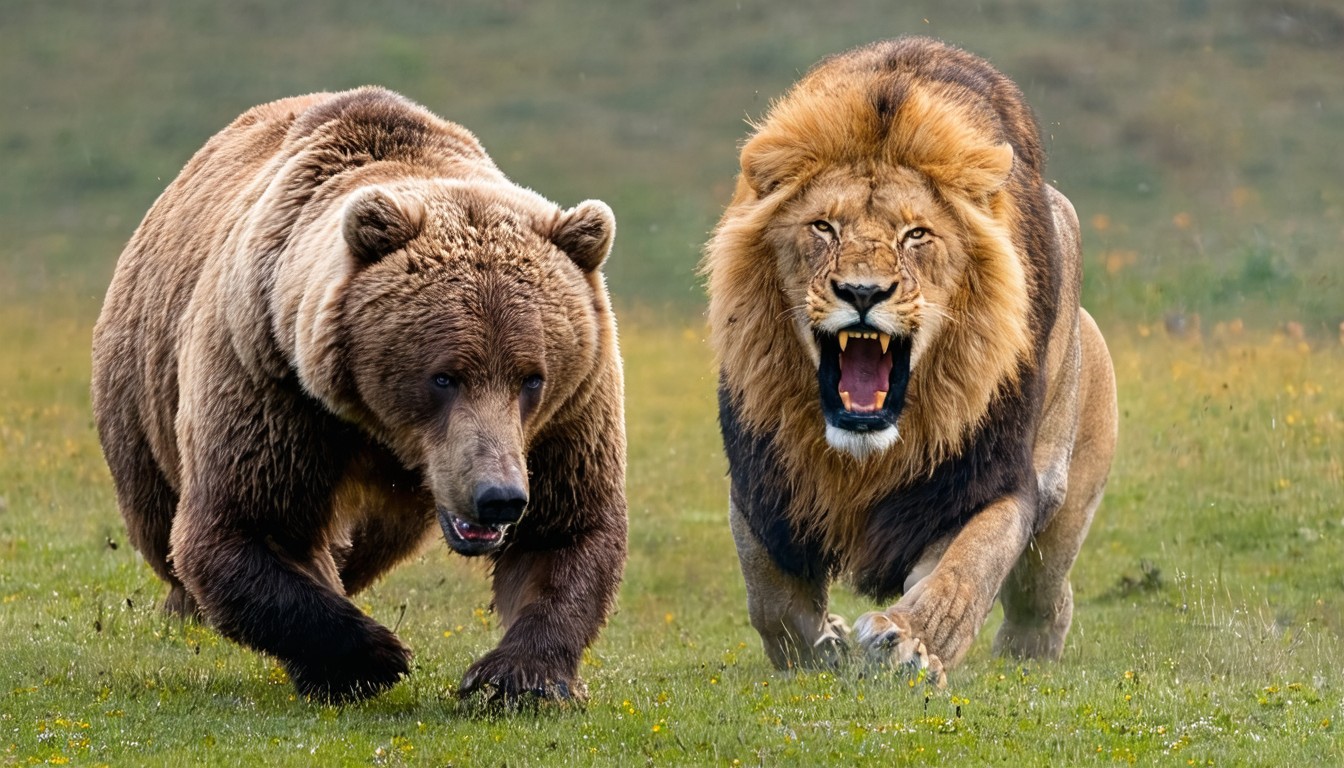
Hypothetical Showdown: Who Truly Wins?
Attempting to declare an outright winner in a “bears vs lions” matchup is, ultimately, a case of apples and oranges. Ecologists caution against reducing such complex animals to a mere contest of strength or aggression. Instead, the real marvel lies in their divergent paths—the lone resilience of the bear versus the communal strength of the lion.
Success in the wild is often less about brute force and more about adaptation: mastering environments, seizing opportunity, and surviving ever-shifting threats. In this sense, both animals have earned their legendary status not only through physical prowess but through enduring the ultimate challenge: survival.
Conclusion
The comparison between bears and lions transcends simple notions of strength or ferocity. Each species embodies unique evolutionary strategies—whether it’s the solitary power and adaptability of the bear or the cooperative intelligence and speed of the lion. Their roles as apex predators and ecosystem engineers are vital to their respective habitats. As challenges mount in the natural world, understanding and protecting these remarkable animals become increasingly important—not just for their survival, but for the balance of life on Earth.
FAQs
Do bears and lions ever encounter each other in the wild?
No, bears and lions inhabit different continents and ecosystems, so direct encounters do not occur naturally outside of zoos or captivity.
Which is physically stronger: a bear or a lion?
In terms of sheer muscle mass and raw strength, most larger bear species, such as grizzlies and polars, exceed lions. However, lions rely more on agility and group tactics rather than just strength.
What roles do bears and lions play in their ecosystems?
Bears serve as both top predators and keystone species, impacting plant and animal communities through their varied diets. Lions regulate herbivore populations, supporting overall savannah health and biodiversity.
Are bears or lions more endangered?
Both face significant threats, but African lions have experienced sharper population declines in recent decades. Some bear populations are also endangered, especially polar bears due to climate change.
Can bears or lions adapt to a changing climate?
Adaptability varies by species. Some bears, being omnivorous and widespread, adjust more easily, while polar bears and lions have narrower habitat requirements and face greater risks from climatic shifts.
Why is the “bears vs lions” debate so popular?
The debate taps into human fascination with apex predators, as well as broader questions about power, survival, and the diversity of nature’s problem-solving strategies.