
The rise of social media stardom has brought unprecedented fame to creators like Addison Rae. With over 80 million TikTok followers and a presence spanning music, film, and fashion, Rae epitomizes 21st-century celebrity. Yet, with this digital spotlight comes a darker counterpart: an ecosystem of rumors, hoaxes, and explicit “leaks” designed to shock, attract clicks, or damage reputations. Over recent years, searches for “Addison Rae porn” and similar terms have surged, fueled by viral rumors and apparent “leaked” videos. But what lies behind these claims, and what are the broader cultural and technological forces at play?
The Anatomy of a Viral Celebrity Hoax
Viral rumors about celebrities—especially those as prominent as Addison Rae—are nothing new. However, the scale and speed of misinformation today is unprecedented.
Social Virality Fuels Speculation
On platforms like TikTok, Twitter, and Reddit, even a single manipulated image or misleading caption can spark a cascade of speculation. Alleged “Addison Rae porn” or “leaked video” links circulate quickly, amplified by algorithmic feeds and the viral nature of trending hashtags. Most of these links direct users to scam websites, unsolicited content, or deepfake pornography—none of which feature the real Addison Rae.
Beyond simple user curiosity, some actors have clear monetary motives. According to digital security firm Norton, there has been an uptick in malware and phishing campaigns disguised as celebrity “leak” links, preying on curiosity and fandom. Similar schemes have targeted other creators, including Charli D’Amelio and Emma Chamberlain, as well as mainstream celebrities.
Deepfakes and Digital Manipulation
One of the most insidious elements fueling these rumors is artificial intelligence-driven deepfake technology. With sophisticated tools now widely accessible, anyone can manufacture fabricated “evidence” by swapping a celebrity’s face onto explicit video content. While these forgeries are often poorly made, advances have made them increasingly difficult to identify at a glance.
“Deepfakes represent a seismic shift in how misinformation and image abuse can be created and spread online. For young public figures like Addison Rae, the threat isn’t just to privacy, but to agency and mental well-being,”
— Dr. Hany Farid, digital forensics and deepfake detection expert.
No Evidence: The Reality Behind the “Leaks”
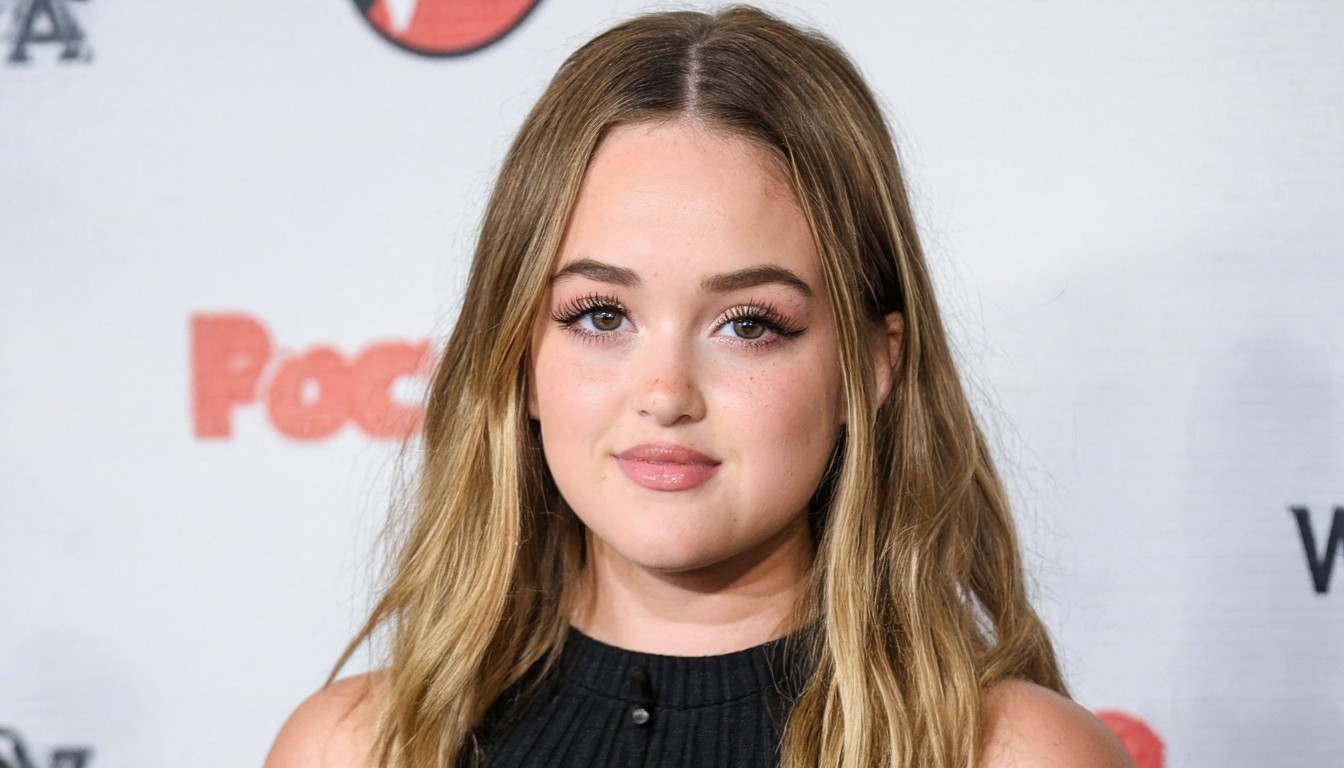
For Addison Rae, as with many Gen Z celebrities, there is no legitimate evidence of the purported explicit material often claimed in viral rumors. The vast majority of so-called “leaked videos” are either artificially fabricated, feature lookalikes, or are outright scams.
Respectable digital news outlets, including Insider and NBC News, have investigated dozens of cases involving celebrity deepfake rumors and found no authentic leaks related to Rae herself. What persists is a cycle: a rumor spreads, opportunists create counterfeit videos or links, and unsuspecting fans (or critics) perpetuate the cycle by sharing their “findings.”
The Psychological Toll and Industry Response
While these stories may trend for a news cycle, the impacts often linger. Victims of online hoaxes—especially in the realm of explicit deepfakes—report anxiety, declines in mental health, and damage to personal and professional relationships. This is especially complex for creators whose public image is core to their livelihood.
Some platforms and tools have responded:
- Social media moderation: Both TikTok and Instagram have enhanced reporting and moderation related to manipulated or explicit celebrity content.
- Legal and advocacy response: Several states and countries now classify malicious non-consensual deepfakes as a privacy violation or form of harassment, increasing potential recourse.
- Technological countermeasures: Emerging AI tools can scan for manipulated images and videos, but as with all digital arms races, the challenge is ongoing.
The Celebrity Deepfake Dilemma: Legal and Ethical Implications
The proliferation of deepfake technology and the ease with which reputational hoaxes spread has prompted new legal discussions.
Evolving Legislation
While the U.S. federal framework around deepfakes remains patchwork, several states—including California and Virginia—have introduced laws specifically targeting deepfake pornography and digital impersonation. Leading global platforms have also committed to removing explicit deepfakes when reported, though enforcement is inconsistent.
Ethical Considerations and Media Literacy
Questions persist about the ethics of sharing even “debunked” celebrity rumors. As Dr. Lisa Nakamura, a media studies professor, observes, “Each click on a deepfake or rumor—whether out of disbelief, curiosity, or malice—perpetuates a digital economy built on non-consensual image use.”
Preventing the Spread: Digital Citizenship and Responsibility
The Addison Rae “porn” rumor cycle is a cautionary tale for anyone engaging in online culture. Preventing the spread of misinformation and harmful content requires combined action:
- Educating users about the dangers and realities of deepfakes, scams, and manipulated media, especially among younger audiences.
- Prompt, responsible media reporting—outlets covering these stories should prioritize consent, accuracy, and context, rather than simply amplifying rumors.
- Platform accountability, including streamlined takedown protocols and penalties for malicious distributors.
Tips for Recognizing and Reporting Fake Leaks
- Verify sources: Legitimate news about celebrities is almost always reported by trusted outlets rather than anonymous social accounts.
- Avoid clicking suspicious links, especially those promising “exclusive” or “hidden” videos behind signups or downloads.
- Use platform reporting tools to flag deepfakes or non-consensual sexual content.
- Practice empathy: Even celebrities deserve privacy and dignity.
Broader Impacts: Celebrity Image in the Digital Age
These cycles of hoaxes and deepfake leaks don’t exist in a vacuum. They are entwined with issues of digital consent, gendered harassment, and the nature of parasocial relationships in a hyper-connected world. As the public becomes more digitally literate, skepticism toward viral rumors is gradually rising. Still, for every exposed hoax, new rumors emerge—targeting not only Addison Rae but virtually every figure with digital influence.
The challenge, then, is not merely technical but cultural. As long as online fame and viral rumor-mongering are profitable, individuals, platforms, and policymakers must work together to protect privacy and restore trust.
Conclusion
Addison Rae, like many popular internet figures, has been swept into a maelstrom of viral rumors, deepfake threats, and fabricated leaks—none substantiated by credible evidence. The persistence of these stories says as much about the evolving landscape of digital misinformation as about celebrity culture itself. Combating these challenges requires vigilance from platforms, ethical media practices, ongoing legislative action, and increased public media literacy. The issues are complex, but with coordinated effort, progress is possible in preserving the reputations and mental well-being of public figures in a digital-first era.
FAQs
Is there any real Addison Rae porn or leaked video online?
No credible evidence or legitimate leakings of Addison Rae exist online. Most “leaked” videos are deepfakes, scams, or manipulated content designed to attract clicks.
What are deepfakes, and how do they relate to Addison Rae rumors?
Deepfakes are AI-generated images or videos that place someone’s likeness onto another person’s body. Addison Rae, like other high-profile celebrities, has been targeted by these fraudulent materials but has not participated in any such videos.
How can users avoid falling for scam links and fake celebrity leaks?
Always verify information through trusted news sources. Avoid suspicious links promising explicit content, and report illicit materials found on social or video platforms.
What legal recourse exists for victims of deepfake pornography?
Legal responses vary by country and state. Some regions classify non-consensual deepfakes as privacy violations, enabling victims to pursue removal, civil penalties, or in some cases, criminal charges.
Why are rumors about Addison Rae and other celebrities so common?
Rumors spread easily due to the massive interest in influencers and celebrities, the ease of creating convincing digital fakes, and the click-driven nature of online media.
What steps are platforms and policymakers taking to counteract deepfake leaks?
Most major platforms have improved content moderation and takedown procedures for deepfake and non-consensual sexual content. Some regions have begun to pass laws specifically addressing digital impersonation and deepfakes.