
Dave Chappelle’s show delivered witty, bold, and unforgettable comedy. It’s known for tackling race, culture, politics, and identity with fearless clarity. Right off the bat: the most iconic sketches include “Rick James,” “The Mad Real World,” “Wayne Brady,” and “Clayton Bigsby.” Those sketches set the tone and remain all-time classics. Let’s dive in, chat through the sketches, and see what made them legendary — in a slightly messy but human way, like how we remember that one joke at 2 a.m. that still makes us laugh half-awake.
Side-Splitting Sketches That Defined an Era
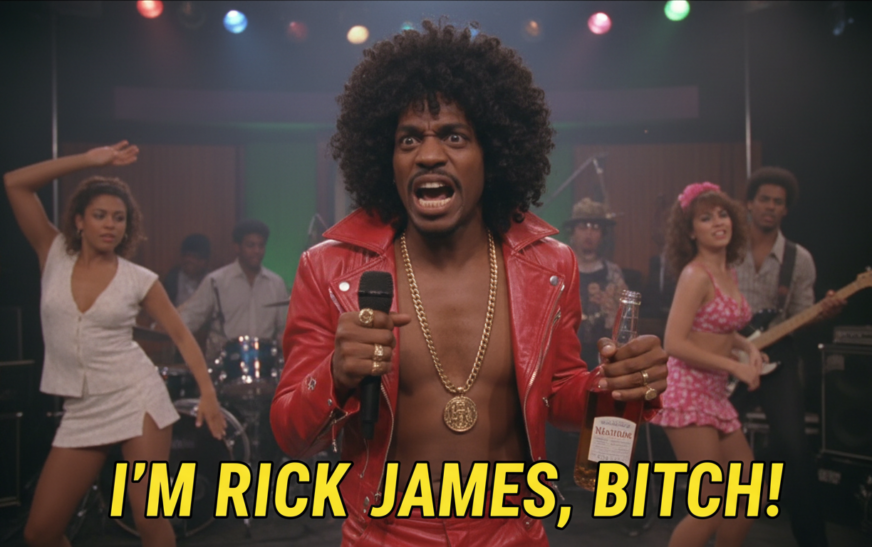
Rick James – “I’m Rick James, b***h!”
This one’s the immediate show-stopper. Wild, unpredictable, and fueled by unwavering bravado. Chappelle’s over-the-top Rick James persona, paired with Chris Rock as Charles Ramsey, created a comedic perfection. The line “I’m Rick James, b***h!” exploded across pop culture. This wasn’t just funny—it was fearless.
Beyond the catchphrase, the sketch blended absurdity with real-life anecdotes. It blurred surreal humor with Shawn and Chappelle’s real friendship vibe. That’s rare. When was the last time you saw an anecdotal, semi-bio sketch so spot-on? It works because it’s grounded in real chemistry.
The Mad Real World
Chappelle took MTV’s The Real World format and twisted it into a trip. The skit turned up the tension, reflecting how reality TV exaggerates drama. It poked fun at stereotypes, viewer voyeurism, and the superficial realness of such shows.
It’s clever because it uses a format everyone knows and flips it. Viewers laugh, but also feel a tiny tinge of “Oooh, that’s too close to home.” It’s satire that stings a bit—and that’s talent.
Wayne Brady – “Don’t be offended…”
Wayne Brady played a polite, chill version of himself – robbed a bank, cursed like a sailor, proved himself unexpectedly dark. It upended his squeaky-clean image. We get comfortable with the veneer, then Chappelle yanks it away.
That twist from “nice guy Wayne” to streetwise outlaw is pure comedic genius. It’s timing, surprise, and cultural commentary—everyone loves it because it’s bold and unexpected.
Clayton Bigsby – The Blind White Supremacist
This sketch takes courage. A blind black man who believes he’s white, and he’s a KKK member. It’s satire without safety nets. It cuts deep and touches nerves, but also highlights the absurdity of hate based on appearance or ignorance.
Subtle, sharp, and deeply uncomfortable. It’s uncomfortable because it’s smart. And smart satire that makes you squirm still counts.
Why These Sketches Still Resonate
Sharply Sketched Characters
Each character felt real—even if totally insane. Whether it’s Rick James or Clayton Bigsby, there’s a strong, distinct voice. They spark instant recognition. You remember them.
Cultural Conversation Starters
These sketches bounced off real societal issues—race, fame, identity, media. They didn’t just imitate; they provoked. They made people talk. And talk again. That kind of staying power is rare.
Riskiness Made It Famous
People loved how nothing felt off-limits. When Chappelle pushed boundaries, you leaned in. You didn’t laugh politely—you felt unsettled, surprised, maybe challenged. That’s real comedy.
Perfect Blend of Impro, Script, and Chemistry
Chappelle’s cast—Donnell Rawlings, Charlie Murphy, Wayne Brady—they bounced back well. The mix of scripted lines and improvisation gave raw energy. You felt the laughter in the room.
A Closer Look at the Comedy Mechanics
Contrast and Surprise
Comedy often hinges on the unexpected. You expect Wayne Brady to sing or do impressions. But what if he curses out his manager, holds up a bank? That switch from “nice guy” to “criminal”? That’s sharp contrast—and laughs.
Similarly, Clayton Bigsby being a blind white supremacist flips both identity and hypocrisy in a blink.
Roots in Truth and Cultural Memory
Rick James sketch draws from Chappelle’s real stories from his childhood with Charlie Murphy. That authenticity matters. When we sense truth behind the humor, it hits differently.
Bold Social Commentary Buried in Laughter
Chappelle often lets us laugh first, think later. The Mad Real World satirized how reality shows prey on drama and stereotypes. On the surface it’s silly. Beneath, it’s a meta-commentary.
“Comedy has always thrived at the edge of discomfort. Dave pressed into that edge—making us laugh, then pause.”
Sketch-by-Sketch Breakdown and Why Each Matters
1. Rick James: Comedic Energy Unleashed
- Setup: Chappelle as Rick James, narrated by Charles Murphy (Charlie Murphy).
- What Works: Electric energy, authentic storytelling, iconic catchphrase, dynamic duo.
- Impact: The phrase and gestures became cultural shorthand for wild, unapologetic behavior.
2. The Mad Real World: Reality TV in Hyperdrive
- Setup: Reality show house full of caricatures.
- What Works: Familiar format turned absurd; commentary on voyeurism and exaggerated personalities.
- Impact: Made people laugh but also reflect on how they consume “real” media.
3. Wayne Brady: Subverting Persona
- Setup: Wayne Brady robbed a bank—calmly, politely, flawlessly.
- What Works: Unpredictable twist, charming delivery, bold humor.
- Impact: A favorite because it morphs a trusted celebrity into something gloriously unexpected.
4. Clayton Bigsby: Satire That Cuts
- Setup: Blind black man hates black people, doesn’t know he’s black.
- What Works: Sharp satire on identity and hate, discomfort turned to insight.
- Impact: Remembered as daring, aggressive comedy that forces a confrontation with societal ignorance.
Why These Sketches Outshine Many Others
Cultural Echo
Even years later, lines like “I’m Rick James, b***h” or the Wayne Brady twist still pop up in memes, GIFs, and everyday talk. They echo in pop culture because they weren’t just jokes—they were events.
Layered Humor
Each sketch works on multiple levels. It’s funny, yes. But also thoughtful, reflective, or biting. You can rewatch and catch something new each time.
Relatable yet Outrageous
They start from something real—celebrity, reality TV, identity. Then they push it into wild territory. That mix keeps you grounded, yet laughing at the absurd.
Trustworthy Comedy Voice
Chappelle wasn’t punching down. He’s clever, he’s self-aware, and he trusted his audience enough to handle big ideas. That builds connection. That builds loyalty.
Storytelling Through Comedy
The sketches don’t just deliver jokes; they tell a mini-story. Take Rick James sketch: you get setting, conflict, climax, and resolution—all in a few minutes. It mirrors narrative structure: setup, twist, pay-off.
Chappelle often plants a bit of tension—like, what’s going to happen next? Then he pushes it to a comedic peak. And he often leaves it there. No over-explaining, just a crisp finish.
Real-World Influence
These sketches influenced how later shows approached satire. You see a ripple effect in modern sketch shows that blend bold social commentary with strong character work.
What Makes a Sketch Linger
- Instant Recognition – Characters are instantly vivid.
- Quote Power – One-liners you want to repeat.
- Thought Behind the Laugh – Hits a theme that sticks.
- Emotional Push – Laughter plus discomfort or surprise.
Wrap-Up
These four sketches—Rick James, The Mad Real World, Wayne Brady, Clayton Bigsby—don’t just belong to The Chappelle Show. They live in the culture now. They’re reckless, funny, daring, and clever. They blend reality with exaggeration, truth with cartoon-level absurdity. They made people laugh. But more than that, they made people think, pause, and talk.
Conclusion
Dave Chappelle’s most iconic sketches endure because they combine sharp satire, memorable characters, and a bold willingness to push the envelope. They’ve seeped into our shared comedic memory. Watching them feels like revisiting brilliant, slightly chaotic art. They teach that comedy works best when it surprises, resonates, and doesn’t overstay its welcome. Next time you catch yourself quoting “I’m Rick James, b***h,” you’ll know it’s more than a catchphrase—it’s cultural DNA, crafted by a comedy legend.
FAQs
What made the Rick James sketch so memorable?
It married real-life anecdotes with high-energy performance and a killer catchphrase. The chemistry between Chappelle and Charlie Murphy added authenticity that turned it into classic comedy.
Why was the Wayne Brady sketch such a surprise?
Because it subverted everything audiences expected from Wayne Brady. The polite persona turning into a smooth criminal caught everyone off guard—and that shock is comedic gold.
How did the Clayton Bigsby sketch handle sensitive topics?
By using satire to expose hypocrisy and absurdity. Chappelle confronted issues of race and identity head-on, using discomfort as a tool to drive the point.
Does the humor in these sketches still hold up today?
Absolutely. They still get quoted, memed, and referenced. Their blend of cultural insight, unforgettable characters, and sharp writing has proven to be timeless.
Can newer sketch shows capture this kind of cultural impact?
They can, but it’s rare. The key ingredients are boldness, authenticity, and willingness to risk discomfort. Those sketches became iconic by daring to go there.
What’s the common thread across these sketches?
Strong character voices, surprise elements, layered humor, and a connection to real-world themes. They all trust the audience—and speak with confidence and clarity.