
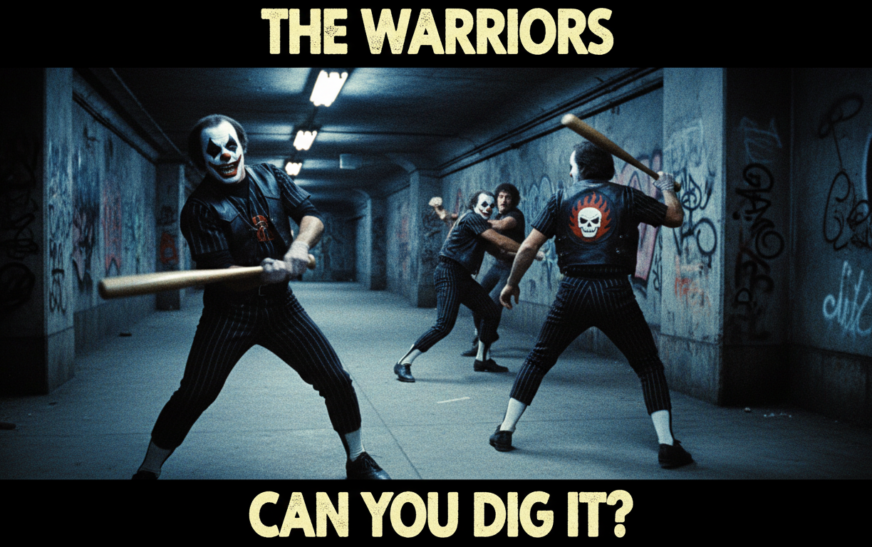
Warriors Movie: The Cult Classic That Defined a Generation is a gritty, pulsing slice of New York nightlife that cut straight to the heart of urban tension and youth identity when it hit theaters in 1979. It’s the kind of film that doesn’t just entertain—it lingers, insisting you remember its rhythm, its rules, its subculture. In short, it wasn’t just a movie. It became a movement.
What Made The Warriors Stand Out
This wasn’t your average action flick. Director Walter Hill leaned into stylized violence and iconic lines—“Warriors, come out to play”—that still echo in pop culture. The film distills gang rivalry into something raw, symbolic, even mythic. And, paradoxically, its moody, neon-drenched cityscape felt both real and dreamlike.
- Unforgettable visuals: Stark lighting, bold costumes, atmospheric streets.
- Memorable dialogue: Simple, chant-like exchanges that turned into quotes.
- Mythic structure: A journey-home story that uses a gang’s trek through hostile territory as modern‑day odyssey.
Beyond its story, the film captured fears and fascinations of late‑70s urban life. It was more than narrative—it was mood and myth, blended.
Cultural Ripples and Influence
Over time, The Warriors carved a deep niche. Streetwear brands lifted its aesthetic. Video game creators borrowed its underdog‑on‑the‑run energy. Fans still quote it in memes, midnight screenings, and pop references.
On the film‑analysis side, scholars consider it a turning point in action‑driven yet stylistically bold storytelling. It wasn’t just chasing box‑office—it shaped how genre could reflect social anxiety and urban myth. That influence echoes in movies like Blade Runner, Fight Club, even John Wick, where atmosphere matters almost as much as action.
“The Warriors becomes a kind of modern myth—a funhouse mirror of urban decay, youthful defiance, and group identity.”
It hits because it’s oddly poetic in its rawness.
Behind the Scenes: Production and Origins
There’s something charmingly accidental about how it came together. Inspired loosely by Xenophon’s Anabasis—the Ten Thousand’s perilous journey home—the script morphed into New York’s gangland. Hill said he aimed for “a tragic poem in stylized violence.” The budget was modest, the timeframe tight, but that forced creative choices that became iconic.
Costume designers leaned into color‑coded gang outfits—reds, blues, yellows—that were both symbolic and visually gripping. Filming at night in real neighborhoods introduced unpredictable elements—graffiti, locals, ambient noise—that lent verité realism.
Why It Still Matters Today
That slight fuzziness, that edge-of‑your-seat choreography, keeps it alive. Young filmmakers still cite it as influence; subcultures still invoke its imagery. It speaks to how fear, loyalty, and identity play out on city asphalt.
In an age of CGI and sanitized urban drama, The Warriors still feels more authentic because of its imperfections. It’s raw, however stylized. It revives a timeless theme: against all odds, you fight your way home.
Legacy in Media and Merch
- Video games: Inspired chase sequences and gang navigation mechanics.
- Fashion: Neon, letterman jerseys, street‑style blends that echo the film’s palette.
- Music: Hip‑hop and punk artists referenced the film’s tone and taglines in lyrics and visuals.
Mini Case: Fan Culture Meets Marketing
At one annual fan screening in Brooklyn, organizers created “gang zones” echoing the film, complete with mock rivalries and immersive lighting. Attendees described it as “stepping into the movie.” This speaks volumes about the community it built—more than a movie night, a collective experience.
Emotional Core: Why It Resonates
There’s a universal tension in The Warriors—fear, belonging, survival. The gang isn’t faceless; it’s a tribe. That’s powerful. Everyone’s searching for a place to call home, a crew that’ll get you back to safety.
Its imperfections—the overdramatized fights, sometimes cheesy dialogue—make it human. It’s a film that clearly isn’t trying to be mainstream, and that honesty is magnetic.
Conclusion
The Warriors isn’t just a cult movie. It’s a symbol of youth, of friction, of stylized survival in a city that feels both real and off‑kilter. Its lasting appeal comes from that balance: gritty authenticity and mythic beats. That duality defined not just a film, but a generation’s kind of storytelling twist.
FAQs
What’s The Warriors about in a nutshell?
It follows a New York gang framed for a crime they didn’t commit. They battle through rival gangs to survive and return to their home turf.
Why is it considered a cult classic?
Because it didn’t succeed on first release, but found a passionate audience through midnight shows, quotable lines, and its unique style.
Did it influence other films or media?
Absolutely. It shaped later stylized urban stories—from gritty action to fashion, gaming, and music culture.
Is the gang color-coding symbolic?
Yes. Costume design used bold, distinct colors to instantly identify groups and heighten visual drama.
Does it reflect real gangs or urban life accurately?
It’s stylized and symbolic, not a documentary. It channels a feeling of city tension more than realistic portrayal.
How can new viewers best appreciate it today?
Watch with an eye for mood, costume, and dialogue rhythm rather than realism. Let it wash over you as myth more than reportage.