
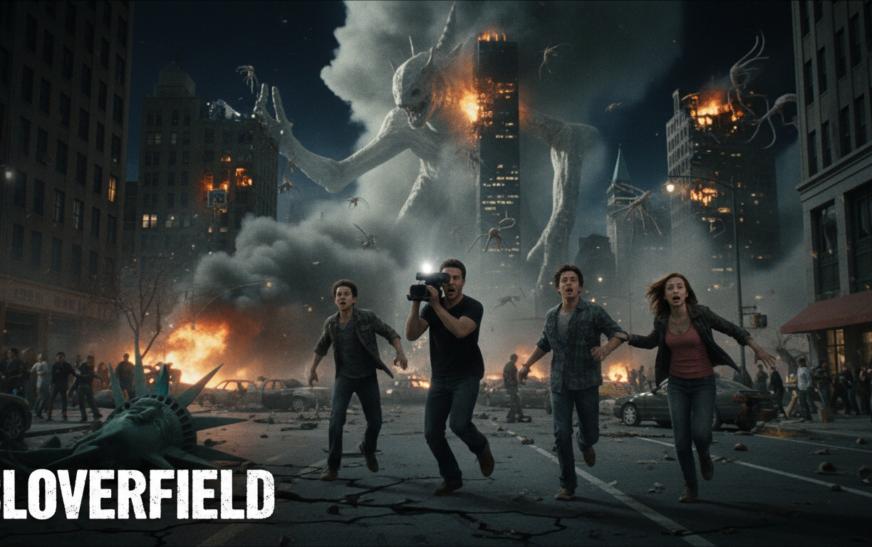
The Cloverfield franchise is a surreal, layered saga of monsters, mystery, and viral-style storytelling. It begins with a shaky-cam monster assault in New York, then dives into psychological shadows, alternate timelines, and government conspiracies. Each entry stands on its own, yet connects through thematic threads and whisper-like hints. If you’re wondering how these films link—or don’t—this article peels back the layers.
Origins of the Franchise: Found Footage that Shook the World
The first Cloverfield film landed in 2008. It introduced audiences to chaotic, real-time footage of an enormous creature ravaging New York City. This “found footage” approach felt raw and urgent. The result: widespread buzz and a reboot of how monster movies lean into immersive, street-level storytelling.
The film’s success came from its intimacy. We weren’t watching monsters from afar; we were in the panic, breathing every terrified flicker. Other projects played with similar tension, but Cloverfield stood out by placing the camera in the hands of characters—making the audience feel uncomfortably close to the action.
Building the Mystery: Loose Threads Over Time
In the years after that debut, fans speculated non-stop about the monster’s origin or ties to other Cloverfield entries. Rumors, toy merchandising, cryptic ARGs (alternate reality games)—they all dripped hints, but rarely spelled out a neat, shared universe. The approach felt more like a puzzle dropped piece-by-piece than a traditional series.
This scattering of clues isn’t new. Hollywood sometimes tests waters with surprise announcements or ambiguous tie-ins. Yet Cloverfield embraced that gamble full-on—making the mystery part of its identity.
Franchise Entries: Standalone Stories with Whispered Links
1. Cloverfield (2008)
- Setting: Found footage of a monster attack in New York.
- Tone: Gritty, real-time, visceral.
- Unafraid to ask questions but not answer them outright.
2. 10 Cloverfield Lane (2016)
This one switches style. It’s not about street-level destruction, but survival underground. A woman wakes up in a bunker, unsure if the world outside is destroyed—or if her captor is the real threat. Mentions of catastrophic events and outside mysteries tie back to the monster world, but the film remains a tense thriller at heart.
3. The Cloverfield Paradox (2018)
Here, sci-fi and parallel realities take center stage. Set in space, it’s about experiments that fracture reality—offering a possible explanation for the monster’s origins. It connects the first two films in a clever metatextual way, suggesting each exists in a splintered timeline caused by cosmic experimentation.
Taken together, these films are less a linear series and more a kaleidoscope: same branding, different viewing angles.
How the Franchise Plays with Storytelling
Viral Marketing as a Narrative Tool
The Cloverfield team excels at using teasers, hidden websites, and ARGs to deepen story immersion. It’s marketing, yes, but also world-building. Clues hide in trailers, faux news reports, and cryptic social posts—rewarding fans who dig deeper.
Surprise Releases Add to the Buzz
Remember how The Cloverfield Paradox dropped unexpectedly on streaming with almost zero warning? It was a stunt some loved and others groaned at—but undeniably grabbed attention. That shock tactic mimics the chaos within the films themselves.
Themes Over Chronology
Rather than rigid continuity, Cloverfield ties films together through feeling: dread, uncertainty, existential threat. It’s more about tone than tidy timelines. Viewers might notice parallels—family survival, unseen forces—without needing everything spelled out.
“Cloverfield works because it respects what we don’t see. Fear lives in your mind, not just on screen.”
Why This Approach Matters
A Different Take in a Crowded Genre
Monster movies often rely on sequels with bigger behemoths or clearer explanations. Cloverfield bucks that trend. Instead, it leans into ambiguity and human perspective. That ambiguity invests you. You lean in, puzzle together theories—and then the next mind-bending chapter drops.
Balancing Independence and Interconnectedness
Each entry holds its own. You can watch 10 Cloverfield Lane without knowing the others. Yet there’s a promise of connection. That flexibility invites casual viewers and obsessive theorists alike.
Invitation to Speculation (and Community)
Fans trade theories, build timelines, map ARG puzzles. That buzz keeps the franchise alive—even between releases. The franchise feels collaborative, rather than dictated.
What’s Next? Future of the Cloverfield Mystery
No one’s drawn the full map yet. The latest installment might explore new genres, fresh angles, continue alternate realities—or circle back to the original monster in ways we haven’t imagined.
What’s clear: this franchise plays by its own rules. It embraces surprise, subtlety, smart reveals and thematic depth.
If a new entry drops soon—maybe even announced differently from anything before—it’s bound to spark conversations. Not because you’ll get straightforward answers. Because you’ll get a new fragment—and then another puzzle to piece together.
Final Thoughts
Cloverfield isn’t about neatly connecting dots. It’s about feeling the shakes, the fear, the what-if. Each film feels standalone yet part of something bigger. They invite you to explore beneath the surface—through hidden clues, shifting timelines, smart genre shifts.
If you’re after structured answers, don’t expect a roadmap. But if you’re in the mood for mystery and a franchise that honors your curiosity—this remains one of the most intriguing modern monster series out there.
FAQs
What’s the connection between Cloverfield movies?
They’re loosely linked by themes—fear, survival, unknown threats—not by strict plot continuation. Few shared characters. More like parallel stories under a shared brand.
Do I need to watch them in order?
No. Each film stands on its own. Order may tint your ideas, but you won’t get lost watching any single entry first.
Is the monster explained?
Not clearly. The first film leaves its origin ambiguous. Later movies shift focus. The mystery remains a central allure, not a resolved plot point.
Will there be more Cloverfield movies?
Possibly. The franchise thrives on surprise. If a new installment appears, expect fresh storytelling, loose connections, and more puzzles to uncover—rather than straight answers.