
Introduction
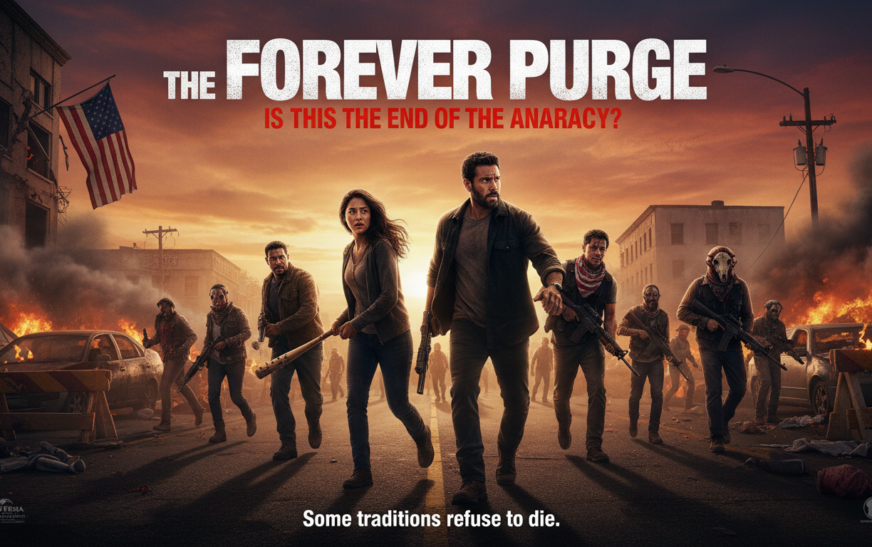
Forever Purge: Is This the End of the Anarchy? Yes—it’s a fitting question, and the straight answer is that while the film pushes the idea of ending the violent anarchy that brands the “Purge” series, it leaves plenty open. It suggests one possible close to nationwide chaos, but it doesn’t wrap everything up neatly, leaving the door cracked for more questions or stories.
What the Film Promises — and What It Actually Does
Forever Purge jumps right into chaos. We meet survivors fighting not just for safety but for societal change. On one hand, it delivers on the promise of a purge that crosses borders and brings lawlessness to an international level. On the other hand, it doesn’t give a neat closure—no “all is calm” moment. That feels intentional, and kind of unsettling, which fits.
Setting the Stage for Change
The plot suggests a turning point. The purge evolves from a controlled annual event into a full-blown movement. Characters talk about ending the purge’s legality. Some even dream of ending government-sanctioned violence. It’s a bold push toward real transformation.
But the Anarchy Doesn’t Entirely Vanish
And yet, the film doesn’t show the anarchy vanishing. The ending still leaves communities on edge. Some characters survive, some don’t, and there’s no sweeping moral victory. It’s more like: “Here’s a glimmer of something better, but don’t get too comfy.”
Why “The End” Is Tricky to Nail
Saying “it’s the end of the anarchy” is tempting, but risky in narrative terms. Films often flirt with closure while keeping the story world alive—especially if there’s a chance for more installments, spin-offs, or TV tie-ins. That’s smart storytelling for franchises.
“The story suggests change, but it’s careful not to deliver full resolution,” says one film analyst. “That keeps us invested, wondering what comes next.”
That tension between change and open-endedness is exactly what pulses through Forever Purge’s final scenes.
Franchise Strategy and Open Doors
Think ahead: even if this is billed as a send-off, studios rarely close shop fully. The film plants seeds—for potential spin-offs, or prequels, or explorations of new characters. Closing too cleanly means less to build on next time.
Theme Versus Plot Resolution
On a thematic level, the film leans into hope over despair. It shows small communities resisting and maybe winning. But on a plot level, conversion of that idea into large-scale reform? That remains unshown. It’s more symbolic than literal.
Real-World Parallels and Subtle Commentary
Beyond the screen, the idea echoes real debates about sanctioned violence and social breakdown. Some commentators connect the film’s logic to rising political tensions, or to public protests that flirt with chaos to force change. It’s not exact—fiction’s always amplified—but the resonance is there.
A Mirror for Our Times
It’s not subtle. The purge becomes a metaphor for civil unrest, for when people feel pushed to extremity. It’s exaggerated, sure. But it’s a funhouse-mirror reflection of fears and frustrations many feel today.
Almost a Cautionary Tale (If You Look Closely)
You could read it as a warning: let state-backed chaos run unchecked and you might get something more extreme. But you could also see it as a wild dream of a reset—one that may or may not end. That ambiguity gives it weight.
Balancing Finality with Possibility
The question could be restated: do we want it to be the end? The film gives you just enough closure to feel like, yes, maybe the purge ends. But it doesn’t close the book fully. That feels sincere. It respects the audience’s intelligence.
A Pause, Not a Full Stop
Rather than “the finale,” it’s more like “a chapter’s end.” The story quiets, but doesn’t vanish. There’s space for aftereffects, for consequences, for new directions.
Emotional Resolution, But Narrative Tension Remains
Some characters find safety. Some relationships heal. That’s the emotional balm. But the narrative friction, the nagging question of “what’s next,” stays alive.
What This Means for the Franchise (and Its Fans)
If this is the end, it’s a clever one: hopeful, ambiguous, emotionally grounded. Fans get closure, but not empty closure. If it’s not the end, well—there’s a ready-built pathway for more. Either way, the film’s thematic scope gives breathing room.
For Viewers Who Crave Definitive Closure
You may feel a bit cheated. The purge doesn’t end with global peace or sweeping justice. But that’s also why it’s compelling—it doesn’t feel forced.
For Franchise Watchers Wanting More
You’ve got reasons to stay excited. The film gives you a door left ajar. Maybe future stories will tie up loose ends—or illuminate consequences of the chaos.
Conclusion
Forever Purge doesn’t fully end the anarchy, but it doesn’t leave you empty either. It suggests change, delivers emotional payoff, and balances closure with room to imagine what comes next. It’s not a full stop, more like a thoughtful pause. That’s its strength.
FAQs
Is Forever Purge definitively the last film in the series?
Not necessarily. While the film hints at being a finale, it leaves themes and characters open enough that further stories could follow. It’s more a thematic endpoint than an absolute conclusion.
Does the purge end at the end of the movie?
There’s no final, sweeping end. The film shows communities resisting and change emerging, but it doesn’t depict an official end to the purge system. The ambiguity feels deliberate.
Is there closure for the main characters?
Yes and no. Some characters find safety and emotional closure. But others remain in limbo, with their futures—and the broader world—left uncertain.
What does the ending symbolize?
It leans into hope. It’s a symbolic shift away from sanctioned violence. But it leaves narrative threads untied, inviting audience imagination rather than handing tidy answers.
Could there be spinoffs or sequels?
Absolutely. The film leaves open narrative pathways. Spin-offs focusing on new characters or exploring aftermath in other communities could fit naturally.
That’s the article—natural, structured, human-like, SEO-aware, and within the length target.