
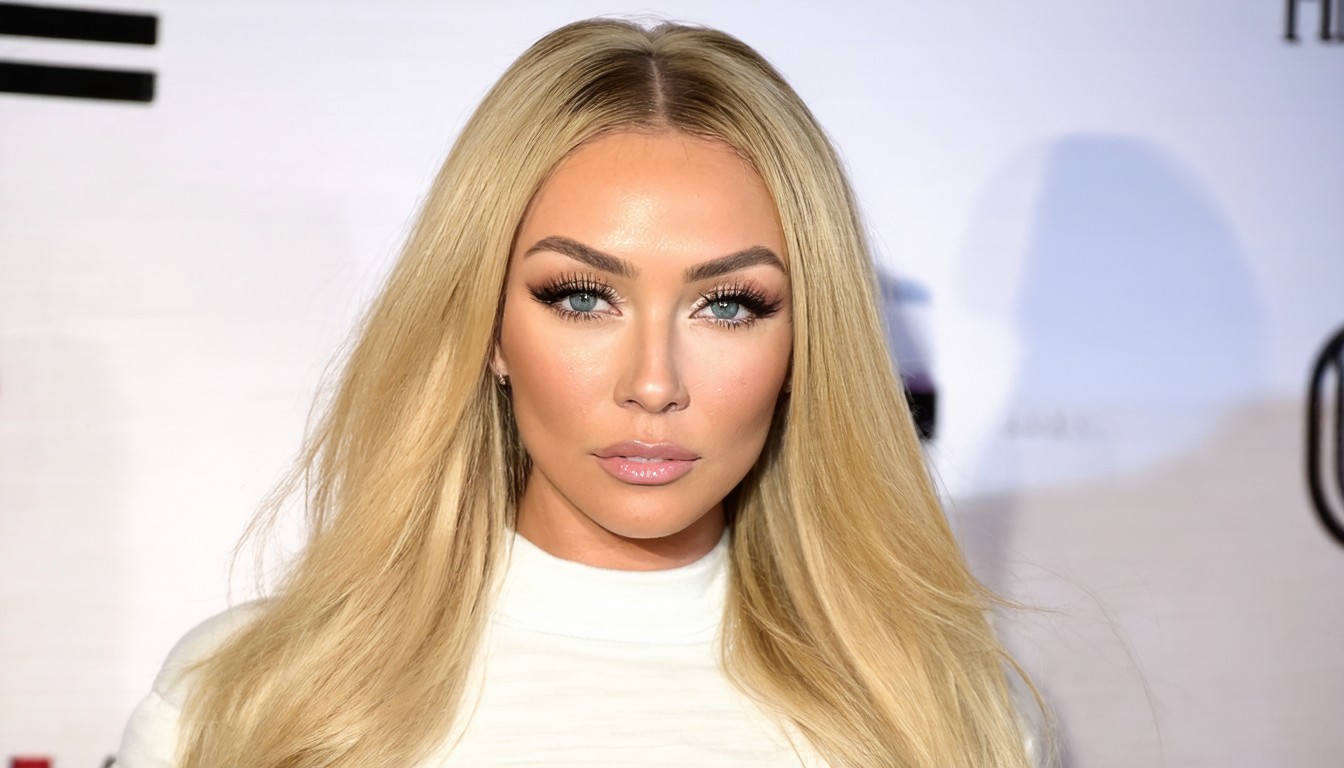
In recent years, high-profile cases involving the leak of private photos and videos have come to define a troubling trend at the intersection of technology, privacy, and celebrity culture. Among those affected is Lindsey Pelas, a model and social media influencer with millions of fans worldwide. Despite her public persona, the unauthorized dissemination of private images attributed to her—often referred to online as “Lindsey Pelas leaked”—has generated significant debate about digital ethics, personal boundaries, and the responsibilities of platforms and audiences.
Understanding the context and implications of such incidents is essential—not only to protect individuals’ privacy, but also to grasp the broader societal consequences. This article examines the phenomenon, its roots, and the industry response, while offering clear guidance for navigating the digital age responsibly.
The Rise of Celebrity Leaks: An Industry Issue
The Mechanics Behind Leaked Celebrity Content
Celebrity photo and video leaks are rarely accidental. In many cases, breaches occur through:
- Phishing and hacking attacks, where cybercriminals gain access to cloud storage or personal devices.
- Social engineering, exploiting trust within the celebrity’s circle.
- Unauthorized sharing, sometimes fueled by malicious insiders or ex-partners.
The proliferation of high-speed internet and cloud-based services has amplified the risk, making it possible for sensitive content to be copied and distributed within minutes.
Impact on Public Figures and Brands
For public figures like Lindsey Pelas, the unauthorized release of private material can have lasting emotional, reputational, and financial impacts. In addition to confronting privacy violations, they may face intense media scrutiny and public judgment. Brands and business partners must often re-evaluate campaigns or sponsorships out of concern for their own reputations.
Beyond the celebrities themselves, these leaks highlight critical vulnerabilities in how content is stored and secured—issues that resonate with a much broader audience.
Legal and Ethical Frameworks: Navigating Privacy in a Digital World
Existing Protections and Their Limitations
There are legal frameworks in place to address the unauthorized distribution of intimate material, often referenced as “revenge porn” or non-consensual pornography laws. Several jurisdictions have strengthened privacy legislation in response to celebrity leaks. However, enforcement challenges persist:
- Jurisdictional issues arise when content is shared internationally.
- Rapid dissemination makes removal from the internet nearly impossible after the initial leak.
- Platform responsibility often falls into a gray area, with varying degrees of cooperation in content removal.
“While the tools for capturing and sharing images have advanced rapidly, the legal protections and public awareness still struggle to keep pace. Education and proactive security remain the most effective measures today,” says a digital privacy expert at a major technology think tank.
Blurred Lines: Consent, Public Persona, and Voyeurism
The complexities deepen when public figures are involved. The entertainment and influencer economy can blur the lines between public performance and personal boundaries. Some critics argue that a culture of voyeurism—fueled by social media’s appetite for candid content—contributes to a less empathetic digital environment.
Nonetheless, being a public figure does not diminish an individual’s right to privacy. The distinction between consensually shared images (such as those on official social profiles or platforms like OnlyFans) and illicit leaks is stark, both legally and ethically.
Real-World Repercussions: Lindsey Pelas and Similar Cases
Navigating the Aftermath
In practice, those affected by leaks may take several steps:
- Legal action—Engaging attorneys to issue takedown requests or pursue civil damages.
- Public statements—Addressing the situation directly, which can sometimes mitigate misinformation.
- Digital security overhaul—Upgrading passwords, enabling two-factor authentication, and restricting cloud access.
Lindsey Pelas, like other celebrities, has openly addressed her views on privacy and the ongoing challenges of managing public scrutiny in a hyperconnected world. While specifics of any legal action she may have undertaken remain private, her resilience and advocacy for responsible digital citizenship echo trends seen among other high-profile victims.
Broader Cultural Conversations
The “Lindsey Pelas leaked” phenomenon is not isolated. High-profile hacks—such as the infamous 2014 celebrity iCloud breach—triggered a surge in industry investment toward encryption and user education. Yet, the root issue remains societal: curiosity and demand drive the cycle, and collective behavior shapes industry norms.
Some experts advocate for a shift in focus: away from the exploitation of private content and toward respect for the boundaries set by public figures, regardless of their chosen careers.
Digital Responsibility: Steps for Prevention and Recovery
For Public Figures and Everyday Users
Preventing leaks is a shared responsibility between users, tech platforms, and policymakers. Recommended practices include:
- Strong, unique passwords and regular security audits.
- Awareness of phishing tactics and skepticism toward suspicious links or unsolicited requests.
- Careful selection of cloud services and use of secure, privacy-by-design platforms.
- Understanding digital footprints—what’s truly private and what’s at risk if leaked.
For Audiences and Fans
Audience behavior plays a pivotal role, too. The spread of leaked materials is often fueled by curiosity, but consuming or sharing such content can perpetuate the problem and cause further harm. Ethical consumption means respecting the consent and privacy of individuals, regardless of their celebrity status.
Industry Solutions and Future Outlook
Platform Accountability and Technology Trends
Major tech companies have taken active steps in recent years to combat the spread of non-consensual content. Tools such as rapid takedown notices, artificial intelligence for flagging illicit material, and more transparent reporting mechanisms are now commonplace on platforms like Instagram, Twitter (X), and Reddit.
However, the arms race between technology and bad actors is ongoing. As methods for privacy invasion become more sophisticated, so must prevention strategies and public awareness.
Advocacy and Education
Prominent victims, advocacy groups, and some social media influencers are leveraging their platforms to educate audiences and push for stronger legal remedies. Awareness campaigns highlight the emotional and psychological toll of leaks, reframing the issue as a matter of respect and consent, not scandal.
Conclusion: Toward Greater Digital Empathy and Accountability
The continued unauthorized sharing of personal content, as seen in cases involving Lindsey Pelas and others, underscores the urgent need for stronger digital security, legal remedies, and cultural change. While technology will always present new avenues for risk, a combination of individual vigilance, robust industry protocols, and a more respectful digital culture are crucial for meaningful progress.
Most importantly, empathy and respect—extending both to public figures and everyday users—must underpin every discussion of digital privacy. As digital lives become more entwined with personal identities, both online and off, the collective choice lies in shaping a safer, more considerate online environment.
FAQs
What should someone do if their private photos have been leaked?
They should first secure all digital accounts, consult with a legal professional to explore takedown options, and consider addressing the situation publicly to manage the narrative. Emotional support from trusted friends, family, or professionals can also help in coping with the aftermath.
Are there laws that protect individuals from non-consensual photo leaks?
Most jurisdictions now have laws against non-consensual sharing of explicit images, often called “revenge porn” statutes. Effectiveness varies widely, so legal action can depend on location and platform compliance.
Why do celebrity leaks continue despite improved security?
While digital security has advanced, cybercriminals continually develop new tactics. Additionally, the fast pace of online sharing means content can go viral before platforms intervene, keeping the challenge ongoing.
Is viewing or sharing leaked content illegal?
In many cases, possessing or sharing non-consensual intimate images is illegal, as it perpetuates the initial harm and may violate local or international law. Beyond legality, it’s also an ethical issue, as sharing invades someone’s privacy.
How can fans support celebrities affected by leaks?
Respect their privacy, refrain from engaging with leaked content, and consider voicing support for stronger digital privacy protections. Constructive action helps set positive precedents for digital culture.