
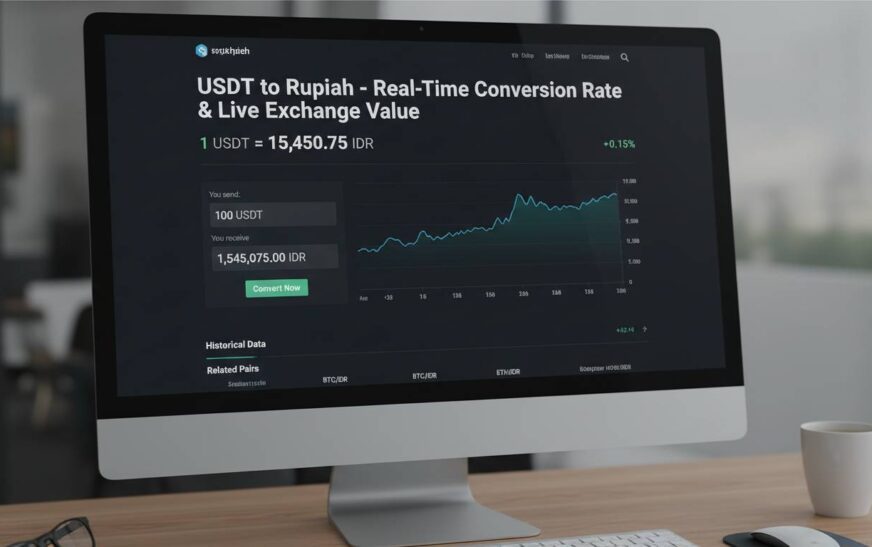
The Indonesian cryptocurrency market continues to evolve as traders watch the real-time USDT to IDR conversion rate. USDT, the most widely traded stablecoin in Indonesia, serves as a bridge between crypto markets and fiat currency—useful for traders who want stability without leaving the crypto ecosystem entirely.
The conversion rate changes throughout each trading day based on supply and demand across exchanges and peer-to-peer platforms. Right now, the rate sits within a range that reflects continued strong interest in stablecoin transactions. Indonesian traders use USDT for remittances, arbitrage between exchanges, and as a place to park money during crypto market downturns.
Understanding the current USDT to IDR rate, what drives it, and where to convert has become basic knowledge for anyone active in Indonesia’s crypto scene.
Tether (USDT) keeps its value pegged to the US Dollar at a 1:1 ratio. In practice, you might see minor deviations—one USDT usually trades between $0.99 and $1.01—due to liquidity differences and platform fees. For Indonesian users, the USDT to IDR rate essentially tracks the Dollar to Rupiah exchange rate, just expressed through crypto exchanges.
Indonesia has become one of Southeast Asia’s most active crypto markets, with millions of users registered across domestic and international exchanges. High smartphone adoption rates and relatively clear regulations from Bappebti (the Commodity Futures Trading Regulatory Agency) have created steady growth. USDT matters here because it lets traders exit volatile crypto positions without immediately converting to rupiah—useful when you’re waiting for a better fiat rate or want to avoid market panic.
Bappebti permits USDT trading on registered exchanges, though users need to complete identity verification like they would with any bank. This regulatory clarity has helped mainstream adoption.
Current Rates and Market Dynamics
The USDT to IDR rate on major Indonesian exchanges closely follows Bank Indonesia’s official USD/IDR reference rate, though crypto platforms often show slight differences based on their own liquidity pools. At writing, rates on Tokocrypto, Indodax, and Binance Indonesia show the typical tight correlation with traditional forex markets.
Traders should understand the different price layers: the spot rate for immediate execution, order book depth showing where buy and sell pressure builds, and peer-to-peer rates that sometimes deviate enough to create arbitrage opportunities—though these gaps tend to close fast.
The 24-hour trading volume for USDT against IDR remains high, making it one of the most liquid crypto pairs in Indonesia. This means you can convert meaningful amounts without major price impact, though very large transactions during quiet periods might still hit unfavorable rates.
Where to Convert USDT to Rupiah
Indonesian traders have several platform options, each with trade-offs around fees, verification, speed, and reliability.
Centralized exchanges are the most common choice. They offer structured trading environments with predictable rates and customer support.
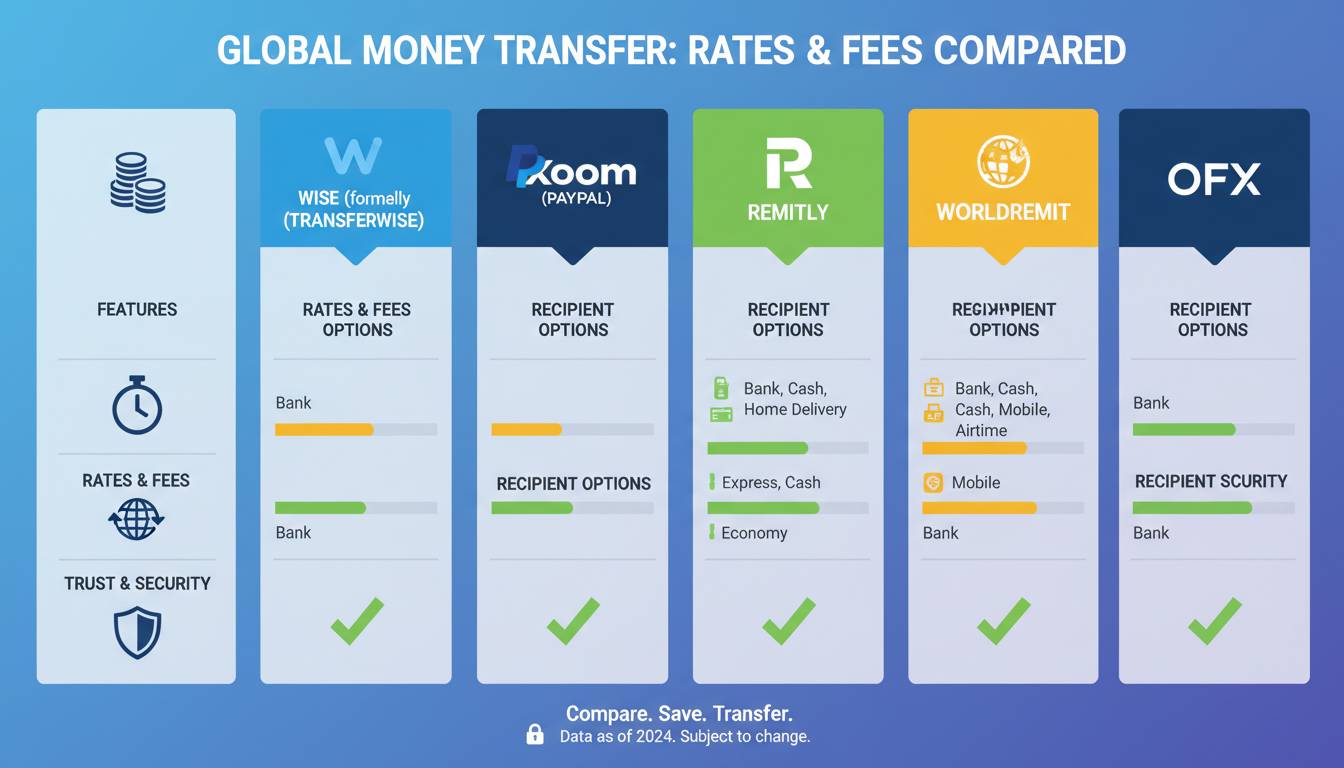
- Tokocrypto is one of Indonesia’s largest domestic exchanges, with competitive fees and local banking integration. Support in Bahasa Indonesia helps if you prefer not dealing with English. Check current verification requirements and withdrawal limits before moving significant money.
- Indodax (formerly Bitcoin Indonesia) has been operating since 2014, giving it more operational track record than newer platforms. They offer everything from simple instant conversion to limit orders for better rates. Trading commissions run 0.1% to 0.3%, plus withdrawal fees that vary by method.
- International platforms like Binance and Coinbase also serve Indonesian users, often with deeper liquidity and more advanced features. Just confirm they comply with local requirements and understand any withdrawal restrictions.
Peer-to-peer platforms connect buyers and sellers directly, letting you negotiate rates. This can sometimes beat exchange rates, though it requires more trust and effort.
What Moves the USDT to IDR Rate
Several factors interact to determine your conversion rate at any moment.
The underlying USD/IDR exchange rate is the main anchor. Bank Indonesia’s monetary policy, interest rate decisions, and economic data releases all ripple through to crypto rates.
On the crypto side, supply and demand on specific exchanges can push rates away from the broader market consensus—especially during volatile periods or low liquidity hours. More liquid platforms tend to have tighter spreads; thinner markets show more variation.
Regulatory news matters too. Announcements from Bappebti about crypto rules, banking changes affecting exchanges, or international stablecoin guidance can shift sentiment and trading activity quickly.
Market cycles also play a role. Bull markets tend to see more USDT buying as people enter crypto. Bear markets often see elevated conversions as people flee to fiat.
Practical Tips for Converting
A few things can help you get better rates and avoid unnecessary costs.
Timing matters. Liquidity peaks during European and American trading hours—roughly 1 PM to 10 PM Indonesia time. Weekends often mean thinner markets and wider spreads.
Watch the fees. You might pay trading commissions (0.1-0.3%), withdrawal fees (varies by method), and potentially network fees. Bank transfers are usually cheapest but take longer. Some platforms reduce fees if you hold their native tokens or trade at higher volumes.
Security basics. Use exchanges with solid security histories, enable two-factor authentication, and don’t keep large balances on any single platform. For big conversions, splitting across platforms or time periods reduces exposure to any one point of failure.
The Bottom Line
The USDT to Rupiah market is essential infrastructure for Indonesia’s crypto ecosystem—it provides the liquidity that lets people move between digital assets and fiat. Whether you’re a trader, remittance user, or just someone cashing out, understanding rates, platform options, and the factors behind price movements helps you avoid unnecessary losses.
Check multiple sources for rates, compare fee structures, and pick platforms that match your needs for speed, verification, and limits. Rates will keep fluctuating—that’s the nature of both crypto and forex markets. Informed timing and smart platform selection matter more than trying to predict the perfect moment.