
Why the Series Feels So Timeless
Fans keep chatting about Ted Lasso because it delivers something rare—a feel-good vibe that doesn’t feel hollow.
First off, it’s the storytelling tone. It’s not afraid to be optimistic when many shows lean darker. Ted Lasso feels like a warm hug after a long day. That’s where it wins hearts.
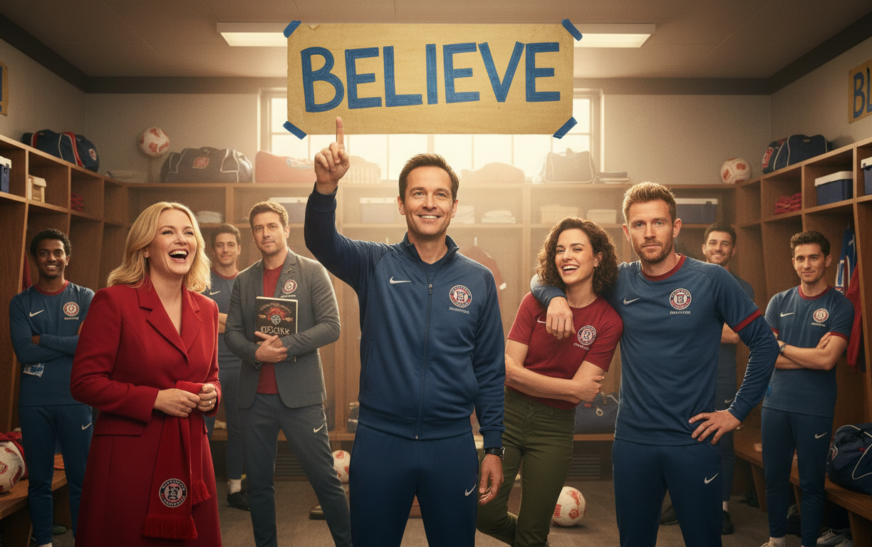
Plus the characters are vivid. There’s growth—you watch Ted unintentionally teach a grumpy soccer team how to believe in each other. Roy Kent softens, Rebecca finds her strength, Keeley redefines success. There’s a kind of messy realness in all of them. And in messy realness lies connection.
Beyond that, it’s not just fluff. The show digs quietly into anxiety, leadership, and purpose. Ted’s own fragility shows up and it’s okay to admit your cracks. Viewers keep coming back for that nuance.
Deep Characters, Unexpected Turns
Ted’s kindness is his power
Ted seems simple at first—the American coach with endless cheer. But he’s layered. Underneath the jokes is a man pushing through past hurt, using kindness as a shield and a gift.
Richmond’s redemption arc
The team itself becomes a character. They go from losing to actually meaning something. That turnaround feels earned. It’s not flashy wins; it’s small, gritty progress—this realism sticks.
Relationship arcs with subtlety
Romance in Ted Lasso isn’t tropey. Rebecca’s arc with her ex? Pain without villainy. Roy and Keeley? Unexpectedly honest growth. These are arcs that feel lived-in, not scripted to check boxes.
Top Themes That Resonate
Emotional openness
In a world where men are told to toughen up, Ted cracks open. He shows it’s okay to talk about mental health. That alone sparked a flood of conversations long after airing ended.
Community over ego
Ted builds not around him, but through others. It shifts the focus. Fans love rooting for something bigger than just glory.
Leadership as service
Ted reframes leadership—he’s not a boss, he’s a shepherd. That philosophy resonates because it feels respectful, human-first.
“Kindness takes courage,” one character says. That idea sorta sums up the show: real bravery lives in caring.
Cultural Ripples Behind the Buzz
Social media longevity
A single Ted-ism can trend now, years later. GIFs, quotes, and reaction memes keep resurfacing whenever someone wants a dose of gentle optimism.
Mental health conversations
Post-show, many cite Ted Lasso when talking therapy or burnout. He’s become a kind of pop culture touchstone for talking vulnerability with humor.
Workplace hope
Managers quote Ted in leadership workshops. He’s that rare fictional coach teams actually aspire to.
Why Fans Remain Hooked
- It’s comforting without being predictable—there’s always something new to notice.
- It treats hope as a strategy, not a cliché.
- It allowed viewers to feel without judgment.
- It offered real emotional payoffs, not just grand gestures.
Even when the show ended, fans didn’t leave. They stayed in digital pubs, fan groups, recaps, podcasts. That kind of extension from screen to real life is rare for comedies.
Making it Stick: Lessons from the Lasso Effect
- Authenticity matters: The show doesn’t try to pretend it’s always upbeat. It acknowledges hard moments. Viewers respect that.
- Small arcs, big impact: Characters evolve in tiny steps. That invites long-term viewers who savor growth.
- Community as content: It’s not just a show—it’s a shared reference. Fans stay talking because they’re part of the story too, in a way.
Conclusion
In the end, Ted Lasso keeps people talking because it’s more than a comedy. It’s a gentle reminder that caring still matters, that laughter and vulnerability can coexist, and that leadership feels better when rooted in humility. It stays alive in chats, memes, industry talks, and in people’s own efforts to be kinder.
It’s not over when the credits roll—the conversation keeps rolling.
FAQs
Why do people still quote Ted Lasso so much?
Because the lines feel warm, wise, and above all, human. They’re shareable little reminders when you want a quick morale boost.
Did the show end on a conclusive note?
Yes—major arcs tied up emotionally. But the characters feel real, so fans keep imagining what comes next for them.
Is Ted Lasso more than just comedy?
Absolutely. It uses humor as a way to explore deeper subjects like mental health, trust, and personal growth.
How has Ted Lasso influenced leadership thinking?
Many managers and coaches quote Ted as a model for empathetic leadership. It’s become a low-key go-to for community-focused workplace culture.
What makes the characters so relatable?
They’re not perfect. They struggle, learn, change, and that messy evolution mirrors real life, making them stick long after you’re done watching.