
Pi Network has become one of those crypto projects that divides people. Some traders watch it closely, waiting for their chance. Others wrote it off years ago. The reality is somewhere in the messy middle, and the price action reflects that confusion.
The basics matter here. Pi launched with a simple pitch: mine crypto on your phone without draining your battery or running up your electricity bill. That accessibility built a massive user base—millions of people have been tapping that button every day for years. But there’s a catch. The project is still in its “enclosed mainnet” phase, which is a fancy way of saying you can’t actually trade it on major exchanges yet. That changes everything about how the price moves.
Why Price Discovery Is Different
Most cryptocurrencies find their price through constant trading across dozens of exchanges. Pi doesn’t work that way. Only a handful of exchanges list it, and trading volume is thin. This means a few decent-sized orders can move the price significantly—not because something fundamental changed, but because there’s simply not enough liquidity to absorb the order smoothly.
This is why you see wild price swings that don’t seem to match broader crypto market movements. When Bitcoin dips 5%, Pi might drop 20% or spike 30% depending on who was buying or selling that day. The lack of real market depth amplifies every transaction.
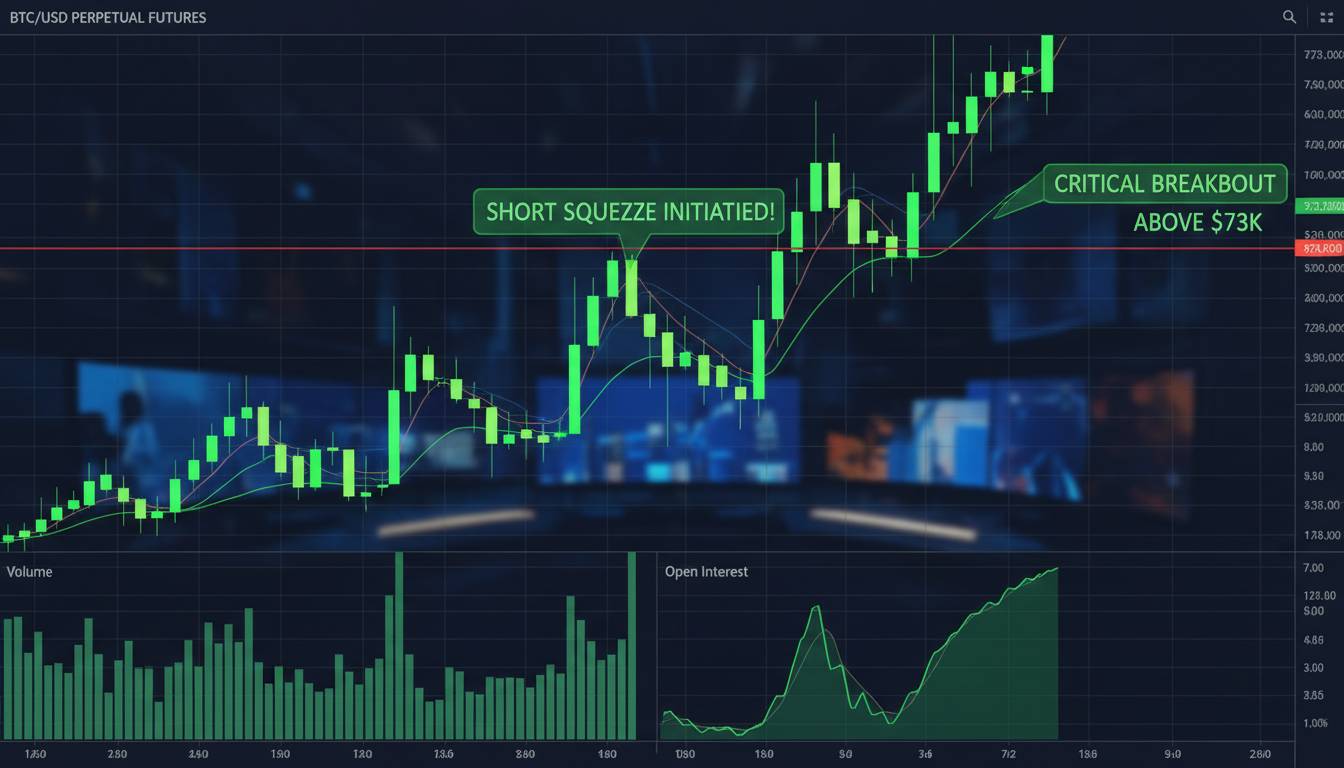
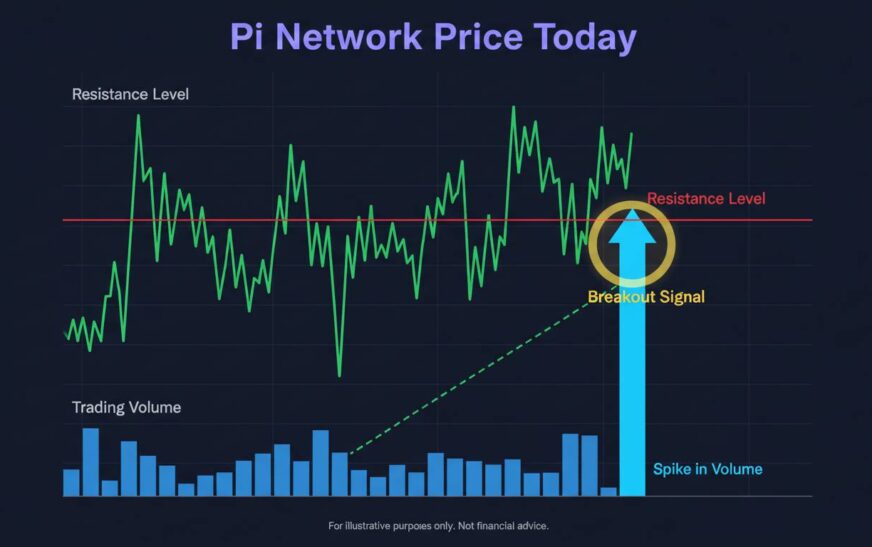
Traders who follow this asset closely pay attention to volume spikes. When trading suddenly increases, it’s usually because something happened—maybe a rumor spread, maybe someone made a claim on social media, maybe the team said something. The price moves on news, not on organic demand.
What Actually Matters
Here’s what experienced traders actually watch:
Mainnet updates are the big one. Whenever the team announces progress toward open mainnet—meaning actual exchange listings where people can freely trade—the price reacts. When they push the timeline back (which has happened multiple times), the opposite happens. The entire valuation rests on when and if this transition happens.
Exchange listings matter too. Even small exchanges adding Pi creates trading opportunities that didn’t exist before. Each new listing theoretically improves liquidity, though we’re still far from the depth you’d find in Bitcoin or Ethereum.
Community sentiment drives short-term moves more than almost anything else. The Pi community is dedicated—some would say overly so—and social media can move prices quickly when excitement builds or fear spreads.
The Honest Risks
Let me be direct about what could go wrong. The biggest issue is that no one knows when open mainnet actually arrives. The project has been “coming soon” for years. Investors who bought hoping for a quick listing are stuck holding an asset they can’t easily sell.
Liquidity is the second problem. Even if you wanted to exit a position, finding a buyer at a fair price isn’t straightforward. The bid-ask spread—the difference between what sellers want and what buyers will pay—can be brutal.
Regulatory risk exists too. Cryptocurrency projects face increasing scrutiny worldwide. If regulators decide Pi resembles a security or an illegal pyramid scheme, that could tank the price permanently.
The Bottom Line
Traders watching for a breakout need to understand they’re dealing with something unusual. This isn’t like following Bitcoin or Solana where you have years of price history, deep liquidity, and established market dynamics. Pi trades more like a penny stock with crypto branding—manipulative, unpredictable, and driven by sentiment rather than fundamentals.
The open mainnet launch will be the real test. Until then, expect continued volatility driven by rumors, hope, and the occasional real announcement. Trade carefully if you trade at all.