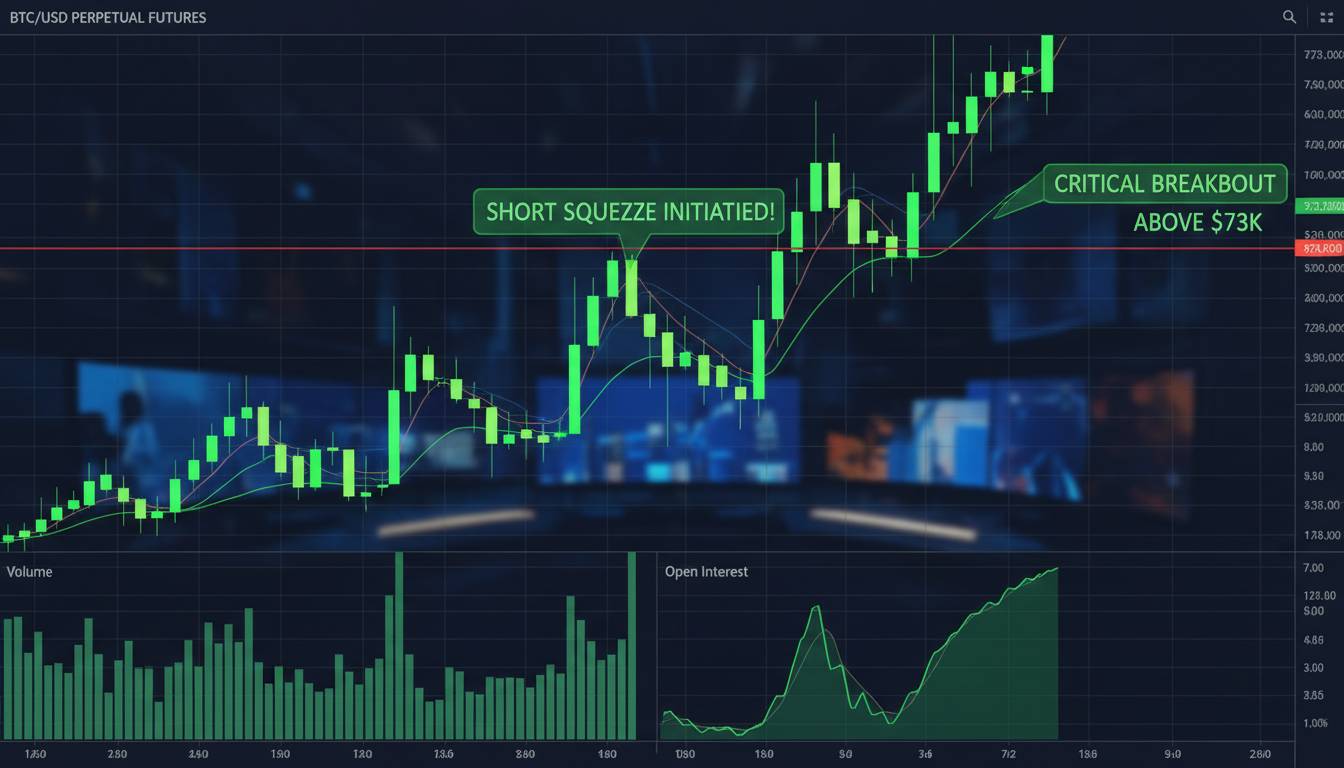


An unprecedented shift is underway in crypto markets as decentralized exchanges (DEXs), led by Hyperliquid, surge into the top 10 rankings. This article explores how Hyperliquid and other DEXs are reshaping the landscape, challenging centralized exchanges (CEXs), and what this means for the future of crypto trading in the U.S.
The rise of Hyperliquid and DEXs into the top 10 marks a pivotal moment in crypto’s evolution. With Hyperliquid achieving massive trading volumes and DEXs gaining market share, the dominance of centralized exchanges faces serious scrutiny. This article examines the data, stakeholder impact, expert insights, and what lies ahead.
Hyperliquid and DEXs Break the Top 10 — Is the CEX Era Ending?
A New Contender: Hyperliquid’s Meteoric Rise
Hyperliquid has emerged as a standout in the decentralized perpetuals space. According to CoinGecko’s 2026 CEX & DEX Trading Activity Report, Hyperliquid is the only DEX to rank among the top 10 largest perpetual exchanges, with a staggering $1.59 trillion in cumulative trading volume from August 2025 to January 2026 . This places Hyperliquid alongside giants like Binance, signaling a seismic shift in market dynamics.
Meanwhile, spot DEXs such as PancakeSwap and Uniswap have also broken into the top 10, each recording over $0.54 trillion in cumulative volume—surpassing major centralized platforms like Coinbase and OKX . These figures underscore a growing preference for decentralized trading infrastructure.
Why Hyperliquid Stands Out
Hyperliquid’s architecture is built for performance. It operates as a Layer‑1 blockchain with fully on‑chain order books, delivering institutional-grade speed and transparency . The platform processes up to 200,000 orders per second with sub-second finality, zero gas fees, and advanced order types like TWAP and iceberg orders .
Its token, HYPE, supports governance, staking, and fee discounts. The platform also employs deflationary mechanisms, including token burns, and offers staking yields, reinforcing its economic model .
The Broader DEX Surge
The rise of Hyperliquid is part of a broader trend. Perpetual DEX volume has surged eightfold—from $81.74 billion to $739.48 billion—boosting DEX market share from 2.0% to 10.2% . This growth is fueled in part by Hyperliquid’s successful airdrop in November 2024 and the emergence of competitors like Lighter and Aster .
Significance for Stakeholders
Traders and Institutions
For traders, Hyperliquid offers the speed and features of a CEX with the transparency and self-custody of a DEX. Institutional players are taking notice: Galaxy Digital reportedly injected $125 million in USDC into Hyperliquid for hedging and arbitrage, signaling growing institutional confidence .
Centralized Exchanges (CEXs)
CEXs face mounting pressure. While Binance remains the dominant exchange, the rapid rise of DEXs is eroding its market share. CEXs also continue to suffer from security vulnerabilities: over $2.0 billion in losses from hacks and exploits in the past year, compared to just 20.9% of that amount lost by DEXs .
Regulators and Security Advocates
Regulators may view the DEX trend with concern, particularly around compliance and market manipulation. Hyperliquid and other DEXs have faced scrutiny over oracle manipulation and risk management flaws . These issues highlight the need for robust governance and security frameworks in decentralized systems.
Analysis: Is the CEX Era Ending?
Advantages of DEXs
- Transparency and Self-Custody: DEXs like Hyperliquid offer full on-chain order books and non-custodial trading, reducing counterparty risk.
- Performance: Hyperliquid’s infrastructure rivals that of top CEXs, with ultra-fast execution and advanced order types.
- Resilience to Hacks: DEXs have suffered fewer losses from hacks compared to CEXs, highlighting their security advantages .
Persistent Challenges
- User Experience: CEXs still offer smoother onboarding, fiat on-ramps, and customer support.
- Regulatory Clarity: DEXs operate in a gray area, and evolving regulation could impact their growth.
- Security Risks: Smart contract vulnerabilities and oracle manipulation remain threats .
A Hybrid Future?
Rather than a complete overthrow, the future may lie in hybrid models. Platforms combining CEX-like performance with DEX-level transparency—like Hyperliquid—could become the norm. CEXs may also adopt decentralized features to stay competitive.
Conclusion
Hyperliquid’s ascent into the top 10 exchanges marks a turning point in crypto trading. Its success, along with that of other DEXs, challenges the long-standing dominance of centralized platforms. While the CEX era is not over, it is undeniably being reshaped. The future likely belongs to platforms that blend speed, transparency, and security—ushering in a new era of decentralized trading.
Frequently Asked Questions
What makes Hyperliquid different from other DEXs?
Hyperliquid operates on its own Layer‑1 blockchain with fully on‑chain order books, delivering high throughput (up to 200k orders/sec), sub-second finality, zero gas fees, and advanced order types—features typically found in centralized exchanges .
How much trading volume does Hyperliquid handle?
Between August 2025 and January 2026, Hyperliquid recorded $1.59 trillion in cumulative perpetual trading volume, placing it among the top 10 global exchanges .
Are DEXs safer than CEXs?
DEXs have experienced fewer losses from hacks—about 20.9% of the losses seen by CEXs in the past year—though they still face risks like smart contract vulnerabilities and oracle manipulation .
Why are institutions investing in Hyperliquid?
Institutional players like Galaxy Digital have injected significant capital (e.g., $125 million in USDC) into Hyperliquid, attracted by its performance, transparency, and decentralized infrastructure .
Will CEXs disappear entirely?
Unlikely. CEXs still offer better user experience, fiat access, and regulatory clarity. However, they will need to adapt by integrating decentralized features or risk losing market share.
What does the future hold for crypto trading?
The future likely lies in hybrid platforms that combine the speed and features of CEXs with the transparency and security of DEXs. Hyperliquid exemplifies this trend and may lead the way in shaping the next generation of crypto exchanges.