
Bitcoin is testing critical support levels again as crypto markets ride out another bumpy week. Traders are watching price action closely, wondering if the leading cryptocurrency can hold its bullish structure or if we’re headed for a deeper pullback.
The past several trading sessions have been rough. Bitcoin’s dominance ratio is giving us clues about what’s happening across the broader market, but honestly, it’s been hard to read. Institutional players are still here—spot ETF flows have been surprisingly resilient—but retail sentiment keeps swinging between fear and greed. That ambivalence is telling.
Current Market Overview and Price Action
Bitcoin’s been stuck in a tight range for about a week now, digesting recent gains. The price has bounced off the mid-$40,000 zone multiple times, which is either a good sign that buyers are stepping in or a warning that we’re consolidating before another leg down. Volume has stayed elevated, so people are definitely paying attention—they’re just not sure which direction to commit.
The daily candles show bulls have held psychological levels, but bears haven’t given up. What’s interesting is that volume profiles show accumulation happening at lower prices. That’s the kind of thing that makes technical analysts perk up. On the other hand, volatility has compressed to levels that usually precede big moves in one direction or another. Could go either way.
On-chain data shows long-term holders aren’t selling—which is either bullish conviction or just HODLers being stubborn, depending on who you ask. Exchange outflows continue, which the supply shock crowd keeps pointing to. Whether that actually matters for price is another question.
Technical Analysis: Support and Resistance Levels
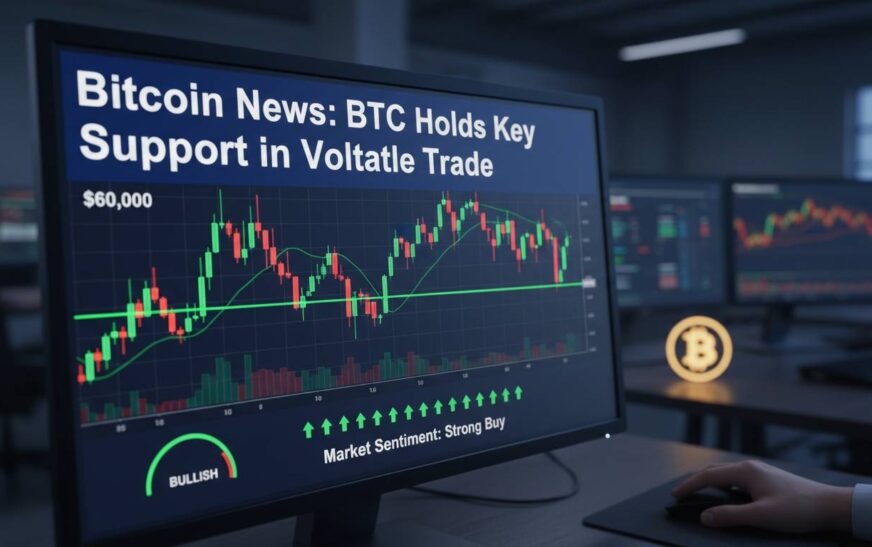
From a pure technical standpoint, Bitcoin is holding above some important horizontal support in the mid-to-upper $40,000 range. That’s where buying interest has shown up during pullbacks before. If that breaks, the next major support is significantly lower.
Above us, we’re looking at psychological milestones and previous swing highs. The 50-day and 200-day moving averages are both providing dynamic reference points. The RSI is stuck in neutral territory—neither overbought nor oversold—which basically tells us nothing definitive.
Volume profile shows most trading happening within a specific band. This concentration often acts like a magnet for price. Traders are also watching for candlestick patterns that might signal reversals, though these are far from reliable.
One thing that’s worth noting: order book depth is uneven across price levels. Some areas have real liquidity, others are thin. When someone big decides to trade aggressively, that imbalance can cause rapid price swings that screw over market orders. Smart traders use limit orders to manage this.
Market Sentiment and Trader Perspectives
Sentiment is stuck in this weird middle ground—fear and greed index bouncing around neutral to slightly bearish. People are uncertain about macro conditions and what that means for risk assets. Some traders see this consolidation as healthy, a chance to catch your breath before the next move up. Others think it’s just delaying the inevitable.
Institutional investors seem cautiously optimistic about long-term prospects, but their short-term positioning is all over the place. The spot Bitcoin ETFs have definitely changed the game—they’ve created new ways for big money to get exposure without holding crypto directly. Trading volumes in these products have been notable.
Retail is split. Some people are buying the dips, others are fleeing to alts for more volatility. The altcoin market has been relatively strong in spots, which tends to happen when Bitcoin stalls. Traders rotate into less efficient markets looking for edges.
One thing analysts keep hammering on: timeframe matters. Short-term traders face a completely different landscape than people with multi-year horizons. Risk management gets stressed in every trading community, but honestly, it seems like a lot of newcomers are learning the hard way that volatility cuts both ways.
Macroeconomic Factors Influencing Price
Macro continues to loom over everything. Interest rate expectations, inflation data, Fed speak—all of it moves crypto in measurable ways. The usual playbook says tighter monetary policy hurts risk assets, but crypto’s relationship with traditional markets has been inconsistent.
The dollar index correlates with Bitcoin in different ways depending on the period. Some people see Bitcoin as a dollar alternative, others treat it like a risk asset that suffers when liquidity tightens. Both viewpoints have data behind them, which is exactly what makes short-term prediction a fool’s game.
Geopolitics matters too, though Bitcoin’s supposed safe-haven properties haven’t shown up consistently during actual crises. The corporate treasury play has also cooled off—no major new adopters recently, though existing holders like Michael Saylor’s company keep the faith.
Regulatory Developments and Market Impact
Regulators are still figuring out what to do with crypto. Recent enforcement actions have moved markets in the short term, but the overall direction seems toward acceptance rather than prohibition. That’s something.
The SEC and CFTC keep fighting over jurisdiction, which creates uncertainty. Clarity would help everyone operate, but I’m not holding my breath. International coordination has improved somewhat—the Financial Stability Board is trying to get everyone on the same page—but different countries are still all over the place.
Tax reporting has gotten more aggressive. This has influenced some trading behaviors, particularly around year-end. Sophisticated investors now have tax advisors integrated into their process, which probably should have happened years ago.
Volume Analysis and Trading Activity
Institutional hours—New York and London sessions—still drive the biggest volume and price moves. HFT firms and market makers are everywhere, providing liquidity while making money on spreads.
Derivatives are busy. Futures and options volumes are strong relative to spot. The options market gives interesting data about where people expect resistance and support—open interest distribution tells a story. Some options strategies have become fashionable among the more sophisticated crowd.
DEX volumes have fluctuated with conditions but remain significant, especially for altcoins. Gas costs still matter for trading decisions on Ethereum.
Cross-exchange arbitrage used to be more profitable before everyone and their dog built bots. Prices stay mostly synchronized now, which is nice for regular traders even if it means less easy money around.
What Traders Should Watch Moving Forward
Watch the economic data. Inflation reports, employment numbers—these will shape expectations for Fed policy and move everything. Corporate earnings season often spills over into crypto volatility as portfolios rebalance.
Technically, watch for breaks above resistance that could trigger momentum buying, or failures at support that might set off trend-following selling. Price-volume interaction will confirm or deny directional bets.
The crypto calendar has some events coming up—protocol upgrades, potential ETF decisions, regulatory developments. These create volatility, though outcomes often diverge from expectations. Flexibility matters more than conviction.
And seriously—position sizing, stop losses, diversification. The market will punish overconfidence. Newcomers should start small.
Conclusion
Bitcoin holding key support through all this volatility shows the market isn’t dead—it’s just uncertain. Technical levels matter in the short term, but fundamentals like institutional adoption, regulation, and macro conditions shape the bigger picture.
Current conditions warrant caution. Compressed volatility usually precedes significant moves. Diversified portfolios and sound risk management are the boring but necessary approaches.
The intersection of traditional finance and crypto creates a complex environment that rewards continuous learning. Whether Bitcoin breaks higher or Consolidates further, opportunities exist for those who understand both the upside and the risks.
This market evolves fast. Adaptation and discipline beat conviction alone.