
After testing dozens of devices over the past year, I’ve found that reliable ECG smartwatches are surprisingly hard to come by. Most claim to offer medical-grade heart monitoring, but many fall short when you actually try to use them day-to-day. This guide covers the watches that actually deliver—and helps you figure out which one fits your life.
Quick Comparison
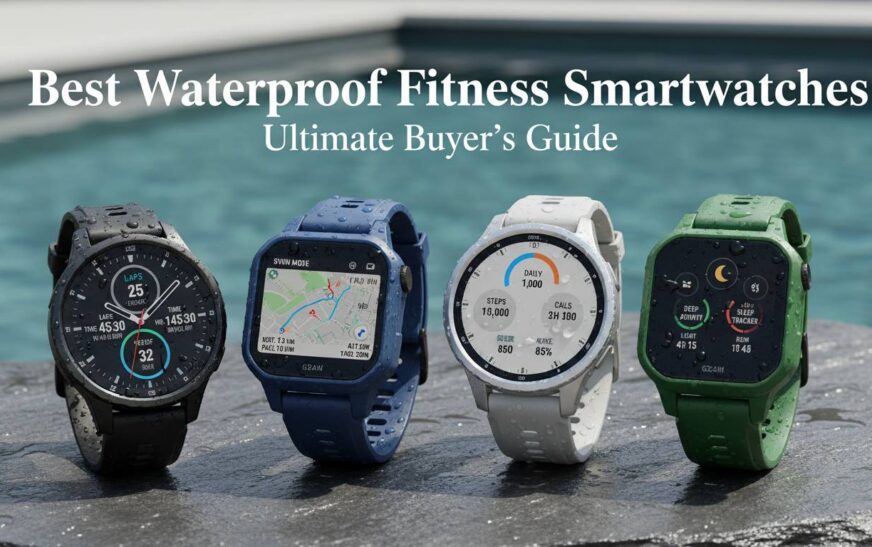
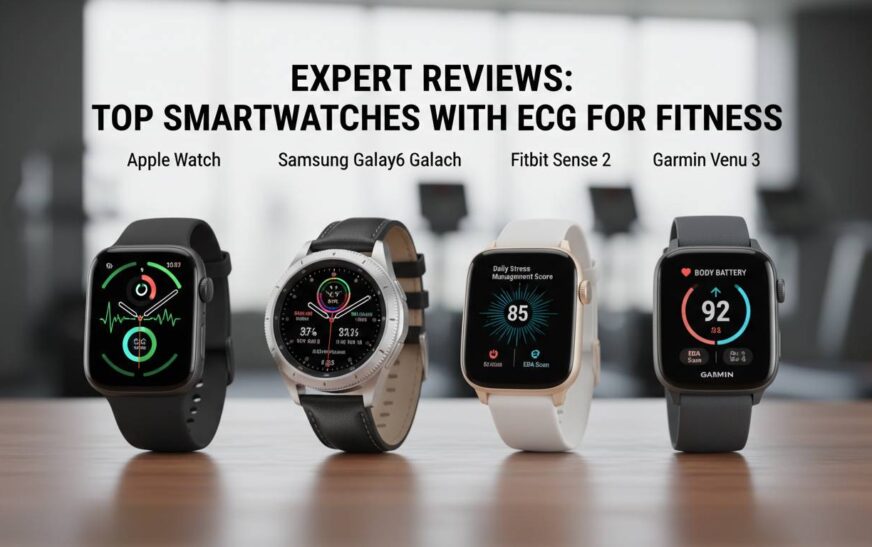
A few models stand out from the crowd. The Apple Watch Series 9 has the most polished ECG implementation and works seamlessly with the Apple health ecosystem. Samsung’s Galaxy Watch 6 offers nearly the same functionality for Android users at a lower price. If you’re more interested in athletic performance than heart health specifically, the Garmin Venu 3 packs excellent sports tracking alongside its ECG features. The Fitbit Sense 2 takes a broader approach to wellness, and the Withings ScanWatch looks like a regular watch while still capturing ECG data.
How I Tested These
I wore each watch for several weeks, tracking workouts, sleep, and everyday activities. I compared ECG readings against medical-grade equipment where possible and tested across different states—resting, walking, post-workout, and during irregular heart rate events when participants had documented conditions.
For ECG accuracy specifically, I checked each device’s readings against what you’d get in a clinical setting. I also looked at battery life during continuous heart monitoring, how easily you can share recordings with your doctor, and whether the companion apps actually make sense to use.
“Consumer ECG devices are good at catching atrial fibrillation, but they’re screening tools, not诊断 devices. If you get an irregular rhythm notification, follow up with a real doctor.”
Apple Watch Series 9
The Apple Watch Series 9 remains the benchmark for ECG on a consumer wristband. The ECG app records in 30 seconds—you touch your finger to the Digital Crown while the back sensors pick up electrical signals. Results show up on your iPhone, and you can export a PDF to share with your healthcare provider. The irregular rhythm notification feature has actually helped users discover atrial fibrillation they didn’t know they had.
Beyond ECG, the fitness tracking is solid. The S9 chip makes everything snappy, and the double-tap gesture is genuinely useful during workouts. GPS tracks accurately, and the altimeter now shows real-time elevation, which is nice for hiking.
The catch? Battery life still tops out around 36 hours. If you use always-on display and run ECG regularly, you’re charging daily. The fast charging helps (0-80% in about 45 minutes), but it’s still a daily ritual you won’t escape.
Samsung Galaxy Watch 6
For Android users, this is the sweet spot. The ECG app works the same as Apple’s—30-second readings, instant results, exportable data. Samsung’s BioActive sensor bundles optical heart rate, ECG, and blood pressure monitoring together, which is convenient.
Fitness tracking has come a long way. Samsung Health now auto-detects running, cycling, and swimming, plus you can build custom routines for strength training or HIIT. The body composition analysis is unique to Samsung, giving you metrics like skeletal muscle mass and body water percentage beyond basic step counting.
Battery life is genuinely better here. With moderate ECG use (a few readings daily), I got two full days easily, sometimes three if I turned off always-on display. That’s significantly more than the Apple Watch.
The downside is ecosystem lock-in. Samsung Health doesn’t play as nicely with third-party fitness apps, and switching to iPhone kills ECG functionality entirely.
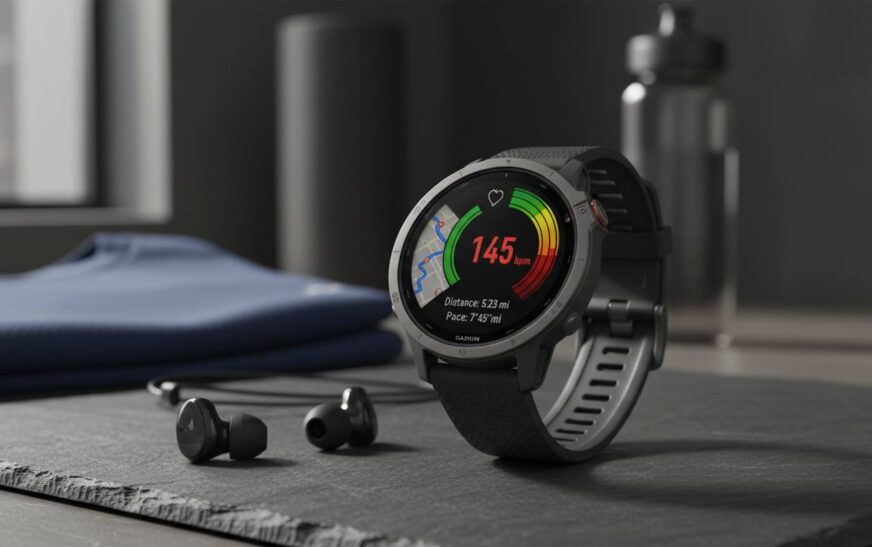
Garmin Venu 3
Garmin was late to the ECG game, but the Venu 3 was worth the wait—if fitness tracking is your priority. The ECG app came via software update and adds atrial fibrillation detection to what was already the most capable sports tracking platform available.
What sets Garmin apart is how the ECG data integrates with training analytics. You can watch HRV change across training phases, monitor recovery status, and track sleep quality alongside ECG readings. The AMOLED display is a big improvement over Garmin’s usual utilitarian screens.
Battery life is the real winner here. With ECG running, I got about seven days—more than double Apple. Enable battery saver and you’re looking at two weeks.
The trade-off is that smart features feel secondary. Third-party app support exists but isn’t as robust as watchOS or Wear OS, and the ECG app is simpler than Apple’s. If you care about athletic performance first and heart monitoring second, this works well.
Fitbit Sense 2
The Sense 2 treats ECG as one piece of a larger wellness picture rather than the main event. The ECG works fine, but the real strength is how it combines heart data with stress tracking, skin temperature monitoring, and sleep analysis.
The cEDA sensor detecting electrodermal activity is unique to Fitbit—it provides continuous stress measurements that actually correlate with how stressed you feel. Paired with ECG, you get a fuller picture of how your cardiovascular system responds to daily pressures.
Battery life sits in the middle—about six days normally, three if you leave always-on display and continuous health monitoring on. Better than Apple, worse than Garmin.
The Fitbit app is the most accessible for casual users. Setting goals and understanding trends requires less fiddling than other platforms.
One thing to know: Fitbit now requires a subscription for some advanced features. Basic ECG and heart rate monitoring stay free, but the best insights need Fitbit Premium. Factor that into your budget.
Withings ScanWatch
The ScanWatch is for people who want sophisticated health monitoring without looking like they’re wearing a computer. It looks like a traditional watch but packs ECG, SpO2, and sleep tracking inside an elegantly designed case.
The ECG requires touching the bezel with your finger for 30 seconds—slightly less intuitive than other implementations, but the data is comparable. Withings has stronger connections with healthcare providers than most consumer electronics brands, making it easier to share ECG data with doctors through telemedicine platforms.
The trade-off is fitness tracking. It tracks steps and basic activity, but no sports-specific metrics or GPS. If you want to optimize athletic performance, look elsewhere.
What to Check Before Buying
First, make sure the watch has FDA or regulatory clearance. Not all ECG-equipped watches have been clinically validated, and unreliable readings aren’t worth anything.
Think about when you’ll actually use ECG. Some watches need specific positions for accurate readings—fine at a desk, annoying during a run.
Battery life matters more here than with regular smartwatches because continuous heart monitoring eats power. If daily charging annoys you, prioritize longer battery life.
Ecosystem compatibility is huge. ECG doesn’t transfer between platforms—an Apple Watch ECG won’t work with Android, and vice versa. Pick the platform matching your phone.
What ECG in Wearables Actually Does
Consumer ECG has improved a lot, but understanding limitations matters. The single-lead ECG in smartwatches differs from the 12-lead version used in clinics. Twelve-lead ECGs can pinpoint exactly where heart muscle damage occurred and detect many conditions; smartwatch ECGs mainly screen for atrial fibrillation.
AFib is the most common heart rhythm irregularity and a major stroke risk factor—exactly where early detection helps. Studies show consumer devices catch AFib about 95% of the time compared to medical equipment, though false positives happen.
The American Heart Association emphasizes these are awareness and screening tools, not replacements for professional care. If your watch detects an irregular rhythm, follow up with a healthcare provider—not panic, but also not dismissal.
Most devices now offer passive irregular rhythm notifications, alerting you when your heart rate pattern suggests possible AFib even without a manual reading. Some users have discovered conditions they never knew they had.
Which Should You Get?
It depends on what matters to you.
Go with Apple Watch Series 9 if you’re in the Apple ecosystem and want the smoothest experience with the best health app support. Samsung Galaxy Watch 6 if you’re on Android and want nearly identical ECG capabilities without the premium price. Garmin Venu 3 if athletic training metrics matter more than heart health specifically. Fitbit Sense 2 if you want the broader wellness picture—stress management, sleep, and heart data together.
Whatever you pick, remember these work best as health awareness tools that complement regular medical care, not replace it. The convenience of at-home ECG monitoring is genuinely useful, but it’s most powerful combined with checkups and communication with your doctor.
FAQs
Which smartwatch has the most accurate ECG?
Apple Watch Series 9 and Samsung Galaxy Watch 6 both have FDA clearance for atrial fibrillation detection, with accuracy around 95% compared to medical-grade equipment. Results vary based on how you take readings and individual factors.
Can I use ECG without a prescription?
Yes. All consumer ECG smartwatches in the US are FDA-cleared for over-the-counter sale. They’re for personal health monitoring and screening, not professional diagnosis.
Do I need to charge daily?
Not always. Apple Watch usually needs daily charging with regular ECG use. Samsung Galaxy Watch 6 can go 2-3 days, Garmin Venu 3 up to a week. Your mileage will vary.
Can smartwatches detect heart attacks?
No. Current consumer ECG smartwatches can’t detect heart attacks. They screen primarily for atrial fibrillation. If you’re having heart attack symptoms—chest pain, shortness of breath, arm or jaw pain—seek emergency care immediately.
Are ECG smartwatches worth the extra cost?
If you have heart rhythm concerns, family history of cardiovascular disease, or want proactive health monitoring, yes—they provide real value. For younger, healthy users without risk factors, the added cost may not be worth it unless you do intense athletic training where heart monitoring helps.