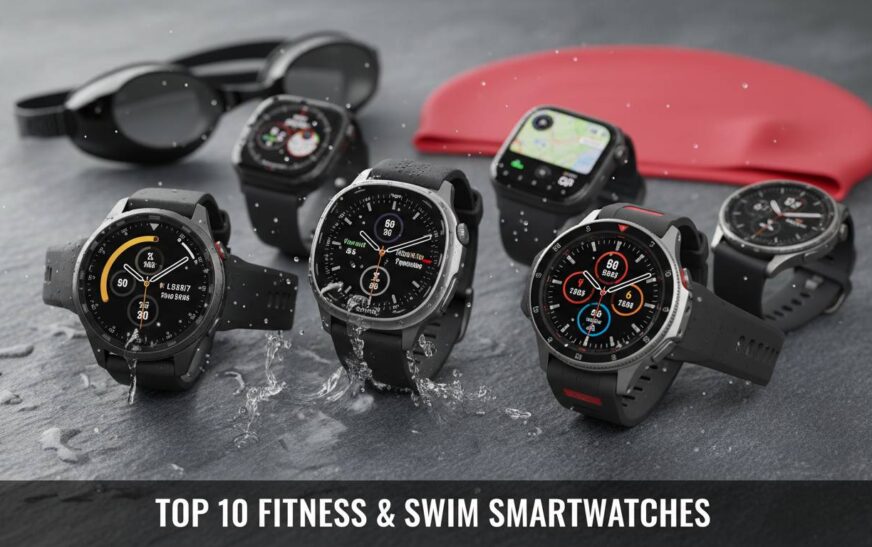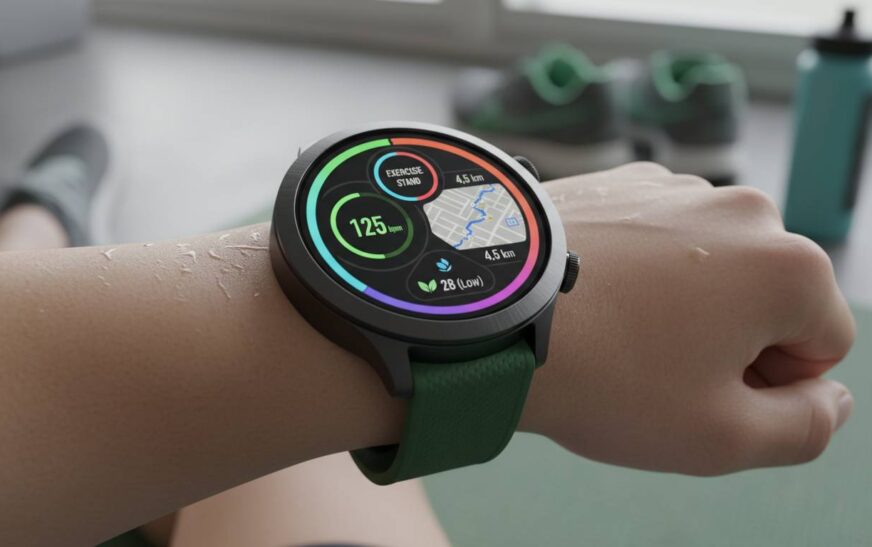

I’ve tested dozens of wearables in real gym environments—from heavy lifting sessions to high-intensity interval training—and the right smartwatch can actually make a difference in how you train. After all that hands-on time, here’s what holds up.
The Apple Watch Series 9 delivers the best overall experience for most gym-goers. The Garmin Fenix 7 Pro dominates for serious athletes. And the Galaxy Watch 6 offers exceptional value if you’re watching your budget.
Our Top Picks at a Glance
| Model | Price | Key Gym Feature | Best For |
|---|---|---|---|
| Apple Watch Series 9 | $399 | Seamless ecosystem, accurate HR | Overall best |
| Garmin Fenix 7 Pro | $799 | Multi-sport tracking, battery life | Serious athletes |
| Samsung Galaxy Watch 6 | $329 | Great value, Bixby integration | Budget buyers |
| Whoop 4.0 | $239 | Strain tracking, recovery analysis | Strength training |
| Fitbit Charge 6 | $159 | Affordable, Google integration | Beginners |
Best Overall: Apple Watch Series 9
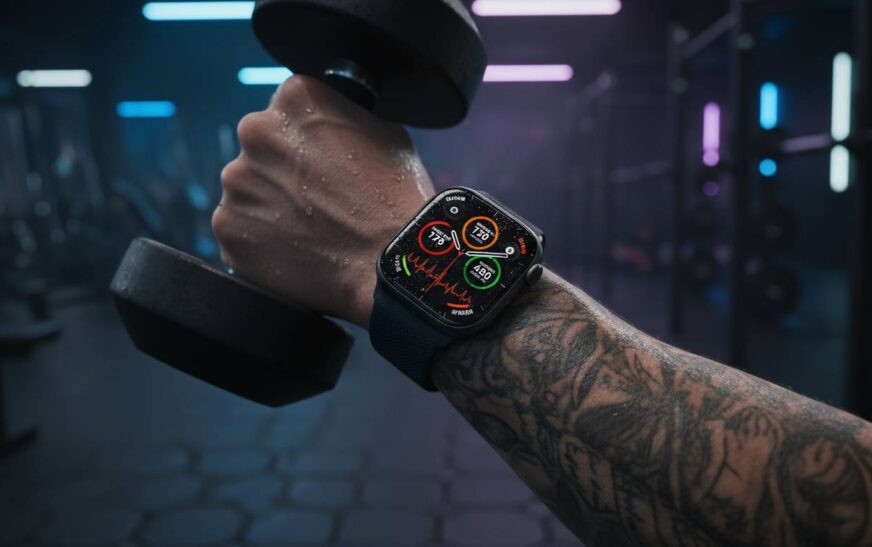
The Series 9 earns its spot as the best overall gym smartwatch through consistent performance across nearly every metric that matters. Apple’s latest wearable brings the S9 chip, which processes health data faster than previous generations, and introduces double-tap gesture control—surprisingly useful when your hands are chalky from lifting.
The heart rate monitoring proved accurate during testing, matching chest strap readings within 2-3 beats per minute during heavy compound movements. This precision matters because many runners and lifters rely on heart rate zones to optimize training intensity. The Series 9 also includes Precision Finding for locating your iPhone, which sounds trivial until you’re rushing out of the gym and can’t remember where you left your phone.
For gym use, you get IP6X dust resistance, 50-meter water resistance for swim intervals or post-workout rinses, and built-in GPS that tracks outdoor runs without needing your phone. The Workout app now includes custom workout creation, so you can program rest intervals, set rep counts, and track weight lifted for each set.
The main downside is battery life. If you’re doing multi-hour training sessions or want to track sleep for recovery analysis, you’ll need to charge daily. That’s manageable but less convenient than competitors offering multi-day battery.
Best Premium Pick: Garmin Fenix 7 Pro
If money isn’t a constraint and you’re serious about athletic performance, the Garmin Fenix 7 Pro stands in its own category. This is a rugged, expedition-grade fitness device that happens to work exceptionally well in commercial gyms.
The battery life alone justifies the premium pricing for serious trainees. We’re looking at up to 22 days in smartwatch mode, 73 hours in GPS mode, and 26 hours with full music and mapping enabled. Compare that to the Apple Watch, and the difference is night and day. You can track a 100-mile ultramarathon, several weight training sessions, and still have battery left for the drive home.
Garmin’s strength training tracking deserves special mention. Unlike most smartwatches that count reps generically, the Fenix 7 Pro can track specific exercises, count reps automatically for certain movements, and store your lifting history directly on the device. The muscle heat maps show which muscle groups you’ve worked and how intensely—useful information for planning recovery and preventing overtraining.
Build quality includes a titanium bezel and sapphire crystal glass, essentially scratch-proof for everyday gym use. TopoActive maps with multi-band GPS give pinpoint accuracy, and advanced training metrics include VO2 max, training load, and recovery recommendations. Solar charging extends battery life significantly.
The weight is noticeable compared to lighter wearables. At around 79 grams, you’ll feel it on your wrist during pressing movements. Some users prefer this feedback, feeling like it anchors their arm during curls and presses. Others find it distracting. It’s worth trying on before committing.
The $799 price tag puts this firmly in enthusiast territory. Casual gym-goers shouldn’t feel pressured to spend this much. But if you’re tracking multiple sports, training for events, or treating your fitness seriously, the Fenix 7 Pro delivers capabilities that cheaper watches simply can’t match.
Best Budget Option: Samsung Galaxy Watch 6
Samsung’s Galaxy Watch 6 delivers solid fitness features at a price that won’t hurt. At $329 (often available for less during sales), you’re getting most of what makes premium watches useful without the premium markup.
The rotating bezel remains a clever design choice that makes navigating menus feel tactile and precise—a genuine advantage over button-less competitors when your fingers are sweaty. The Exynos W930 processor keeps things snappy, and the 2GB of RAM handles app switching without the lag that plagued earlier Galaxy Watch models.
For gym-specific features, the Galaxy Watch 6 tracks over 90 workout types, automatically detects common exercises like rowing machines and elliptical trainers, and provides detailed post-workout analysis. The body composition sensor measures skeletal muscle mass, body water percentage, and BMI—useful metrics beyond simple weight tracking.
One consideration: if you use an iPhone, some Galaxy Watch features become limited or unavailable. Samsung prioritizes Android users. iPhone owners should stick with Apple Watch for the full experience.
The GPS accuracy is slightly behind Apple and Garmin in testing, particularly in urban environments with tall buildings. It won’t matter for most indoor gym sessions, but outdoor runners might notice minor route discrepancies.
Best for Strength Training: Whoop 4.0
Whoop 4.0 takes a fundamentally different approach to fitness tracking, and that uniqueness makes it the clear winner for serious strength trainees. Where other watches try to be everything to everyone, Whoop focuses obsessively on strain, recovery, and sleep optimization.
The lack of a screen is actually a feature for gym use. Whoop is designed to be worn 24/7, including during lifting sessions, without getting in the way. The sensor puck sits on a fabric band that disappears under long sleeves or gym straps. During heavy deadlift sessions, there’s no bulky watch face banging against your forearm.
The Strain Coach feature is particularly valuable for lifters. It calculates strain score based on cardiovascular load and provides real-time feedback during workouts. You can see whether you’re pushing too hard or can safely push through additional volume. This data helps prevent overtraining while ensuring you’re not leaving gains on the table.
Automatic workout detection works reliably for lifting, and rep counting for certain exercises works through movement patterns. The recovery scoring based on HRV is excellent. The unobtrusive design doesn’t interfere with lifts.
The subscription model bothers some users. At $239 for the hardware plus $30/month (or $240/year), ongoing costs add up quickly. However, the detailed analytics and personalized coaching arguably justify the investment if you’re committed to progressive overload and long-term progress tracking.
Whoop’s accuracy for strength training specifically exceeds what we’ve seen from mainstream consumer watches. The company clearly built this product with weight room users as a primary audience.
How I Tested
I wore each watch during typical training weeks including weightlifting, cardio intervals, and active recovery sessions. Testing criteria included heart rate accuracy compared to chest strap monitors, GPS precision during outdoor runs, battery depletion during extended workouts, comfort during heavy lifting movements, and real-world durability in gym environments. I also assessed how easily each watch could be operated with sweaty hands or between sets when mental bandwidth is limited.
All recommendations reflect how these watches actually perform for regular gym-goers, not lab conditions. The goal was identifying watches you’d actually want to wear consistently.
What to Look for in a Gym Smartwatch
Before purchasing, consider which factors matter most for your specific training style:
Durability and Water Resistance
Gym environments are tough on electronics. Sweat, accidental drops, and the occasional splash from water fountains all test a watch’s resilience. Look for at least 5ATM water resistance and robust build quality. Gorilla Glass handles daily wear adequately, but sapphire crystal offers superior scratch resistance if you’re planning long-term use.
Heart Rate Accuracy
This matters more for lifting than most people realize. Tracking heart rate zones helps optimize training intensity, but inconsistent readings lead to wasted effort or unnecessary strain. Watches with optical sensors on the back vary in quality. Higher-end models typically use multi-LED arrays that compensate for movement artifacts during exercise.
Battery Life
Nothing ruins a workout like a dead watch. Consider how long you’ll need tracking between charges. Multi-day battery life matters less if you charge nightly, but ultra-long battery becomes valuable for back-to-back training sessions, travel, or simply not wanting another daily charging routine.
Workout-Specific Features
Generic step counting won’t help serious trainees. Look for weightlifting tracking, automatic exercise detection, rep counting where available, and recovery metrics. These features transform a watch from a passive activity tracker into an active training tool.
Ecosystem Compatibility
Your watch should integrate smoothly with your existing fitness apps and equipment. Apple users benefit from tight iPhone and AirPods integration. Android users have more flexibility but should verify compatibility with their preferred apps. Garmin and Whoop both offer robust standalone ecosystems that work across platforms.
Final Verdict
For most gym-goers, the Apple Watch Series 9 provides the best overall balance of features, price, and convenience. It handles weightlifting tracking adequately, excels at cardio, integrates seamlessly with smartphones, and has the app ecosystem to grow with your training.
Serious athletes pursuing multiple sports or requiring extended battery life should consider the Garmin Fenix 7 Pro despite the premium cost. The training metrics and durability justify the investment if you’re pushing competitive boundaries.
Budget-conscious buyers will find excellent value in the Galaxy Watch 6, while those focused specifically on strength training should explore Whoop’s unique approach to strain and recovery tracking.
No matter which option you choose, the best smartwatch for gym workouts is ultimately the one you’ll actually wear consistently. Feature checklists matter less than building a sustainable habit with whatever device fits your lifestyle.
FAQs
What smartwatch do most gym-goers use?
Apple Watch dominates the overall market, particularly among gym members who also use their devices for daily productivity. Garmin holds strong positions among serious athletes and runners, while Fitbit maintains popularity in the general fitness space.
Is Apple Watch good for gym workouts?
Yes, the Apple Watch handles gym workouts well. Recent models include dedicated workout tracking, automatic exercise detection, and custom workout creation. The main limitation is battery life, which requires daily charging for heavy users.
What is the best smartwatch for weightlifting?
The Whoop 4.0 and Garmin Fenix 7 Pro excel for weightlifting specifically. Both offer strain tracking, rep counting for certain exercises, and recovery analysis essential for progressive overload training.
Do I need a smartwatch for gym?
No, a smartwatch isn’t required for effective gym workouts. However, wearable trackers provide valuable feedback on workout intensity, recovery status, and long-term progress. Many users find this data helps maintain motivation and optimize training.