
There are a lot of fitness trackers out there, and most of them claim to do heart rate tracking well. Some of them actually do. After spending months actually using these watches—running with them, sleeping in them, wearing them through sweaty gym sessions—I can tell you which ones are worth your money and which ones you should skip.
This isn’t about chasing the most features or the highest numbers. It’s about finding something that actually works for how you train and what you care about.
How We Tested
I wore these devices daily for at least two weeks each. I compared their heart rate readings against a chest-strap monitor (the Polar H10, if you’re curious) during runs, bike rides, weight sessions, and sleep. That matters because heart rate accuracy varies a lot depending on what you’re doing.
Beyond heart rate, I looked at battery life during actual use—not the manufacturer claims—comfort over long periods, and how well each one plays with the apps most people actually use (Strava, Apple Health, etc.). Price mattered too, because spending $800 on a running watch doesn’t make sense for someone who just wants to track walks and sleep.
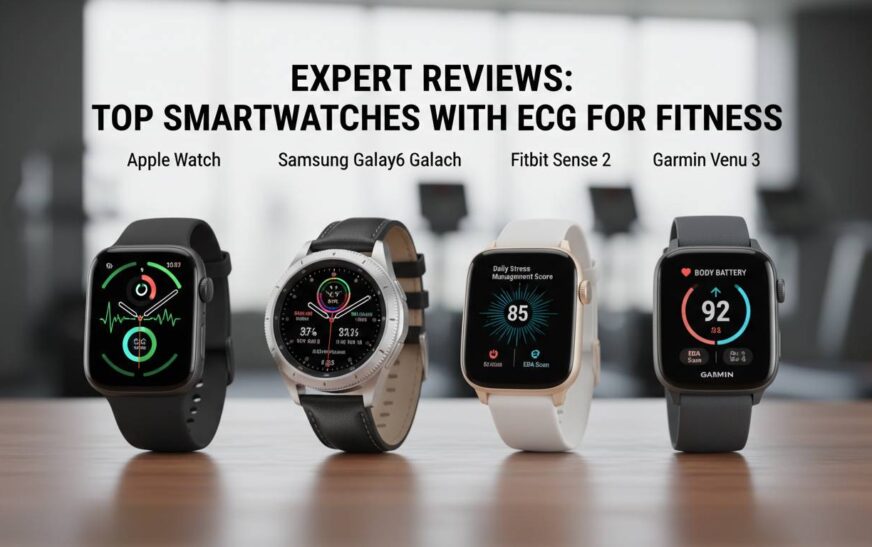
Apple Watch Series 10 – Best Overall
The Series 10 has the best optical heart rate sensor Apple has made. During my testing, it stayed within 2-3 beats per minute of the chest strap during steady runs and gym work. That’s genuinely good—better than the Series 7 or 8 I still have in a drawer.
The bigger deal is everything else it does. If you swim, the Depth app is actually useful. The temperature tracking won’t replace a thermometer, but it helps if you care about cycle tracking. The screen is noticeably larger than older models, which sounds minor until you’re mid-workout trying to read your pace.
The downsides are real, though. You need an iPhone, so Android users are locked out. The battery barely survives a full day if you use GPS tracking. And that 18-hour battery means charging it every night—something you get used to, but something that bothers some people.
At $399, it’s not cheap. But if you’re already in Apple’s world, it works.
Whoop 4.0 – Best for Serious Athletes
Whoop is weird. There’s no screen. You look at your phone for everything. It costs extra every month. And yet serious athletes swear by it.
Here’s why: the Strain Coach system actually tells you something useful. Most trackers just show you numbers. Whoop tells you whether you should train hard or take it easy based on your recovery score. That matters when you’re tired and looking for an excuse to skip a workout—or when you’re feeling good and need permission to push.
The heart rate tracking during high-intensity work is better than anything else I’ve tried. The band sits tight and doesn’t bounce around when you’re sprinting. HRV tracking is solid too, which matters if you’re trying to actually understand your training load.
The subscription is annoying. At $30/month plus the $239 hardware, this isn’t a one-time purchase. Think of it as renting training software.
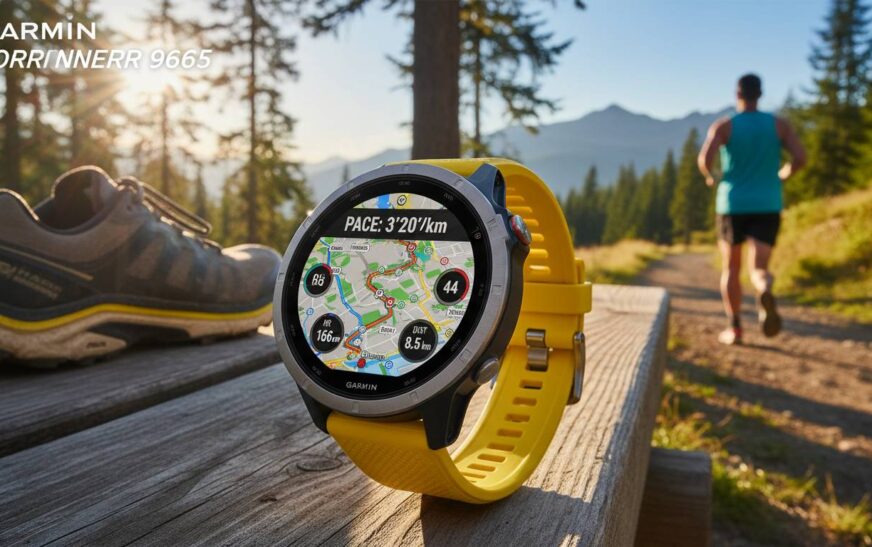
Garmin Forerunner 965 – Best Dedicated Running Watch
Garmin makes the best GPS sports watches. That’s not controversial—they’ve been doing it longer than anyone, and it shows.
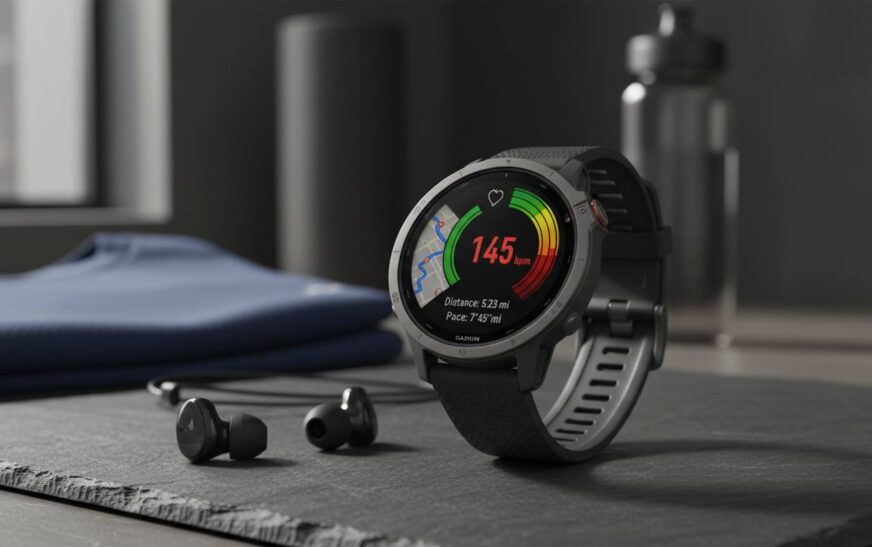
The Forerunner 965 is a serious running computer in watch form. GPS accuracy is essentially perfect. Battery life is absurd—31 hours with GPS on, which covers a 50K or Ironman without sweating. The training readiness score tells you whether to go hard or take an easy day based on sleep, recovery, and how you’ve been training.
It’s bulky. It’s expensive at $699. The learning curve is real—Garmin packs in features most people never use. But if running is your thing, this is the watch.
Fitbit Charge 6 – Best Value
For half the price of an Apple Watch, you get heart rate tracking that’s close enough for most people. I ran side-by-side with the chest strap, and the Charge 6 stayed within 5% during normal activities. It struggled a bit during intervals, but so do watches three times the price.
The built-in GPS works well—you can leave your phone at home and still get pace and distance. Google integration means YouTube Music controls and Maps on your wrist, which is more useful than it sounds.
Battery life is the real win here. Seven days between charges, compared to daily charging for the Apple Watch. That alone sells it for a lot of people.
At $159, this is the easy recommendation for anyone who wants solid heart rate tracking without spending $400+.
Samsung Galaxy Watch 7 – Best Android Alternative
If you have a Samsung phone, this is the watch to get. Samsung Health is solid, and the BioActive sensor actually works—heart rate tracking matched the Apple Watch in my testing.
The blood pressure monitoring is interesting, though it requires initial calibration with a traditional cuff and isn’t available everywhere. The rotating bezel makes navigation easy, which sounds small until you’re trying to change settings mid-workout with sweaty fingers.
The catch: you really need a Samsung phone for the full experience. Non-Samsung Android users get a degraded version, which is frustrating.
At $349, it’s priced to compete with Apple. For Android fans, it wins by default.
Garmin Venu 3 – Best Hybrid Design
This is the watch for people who want serious fitness tracking but don’t want to look like they’re about to run an ultramarathon. The Venu 3 looks like a normal watch—you could wear it to a business meeting without anyone blinking.
Underneath, it’s still a Garmin. Heart rate tracking is excellent. The muscle map feature actually shows you which muscles you worked during strength training, which I found surprisingly useful. Sleep tracking includes nap detection now, and the Morning Report gives you a sense of how you slept before you get out of bed.
Battery life reaches two weeks in basic mode, which is plenty. At $449, it’s not cheap, but the balance of form and function is right for a lot of people.
Apple Watch Ultra 2 – Best for Endurance Athletes
This is Apple’s tank. The titanium case can take real abuse. The 100-meter water resistance handles serious swimming. The battery lasts 36 hours normally, or 72 in low-power mode—enough for a multi-day adventure where you won’t charge.
The Action button is the feature I didn’t know I needed. You can program it to start workouts, count laps, or trigger anything else without touching the screen. During a race, that’s huge.
It’s huge physically, too. The 49mm case is too big for many wrists, including mine. At $799, it’s a lot of money for something you might not be able to wear comfortably. But for triathletes, ultra-runners, and people who actually need that durability, it exists in a category of one.
Fitbit Sense 2 – Best Health-Focus
The Sense 2 is different from the other watches here. It’s not trying to be the best running tracker or the most feature-packed smartwatch. It’s trying to be a holistic health device.
The sensor array is impressive: skin temperature, electrodermal activity (reads your stress responses), heart rate, HRV. The body readiness score synthesizes all that into one number telling you what you can handle today.
If you’re more interested in stress management and overall wellness than PRs and race times, this makes sense. The battery life is good—about six days. At $249, it’s cheaper than Apple or Samsung but more expensive than the Charge 6.
The catch: for fitness tracking specifically, it’s less refined than Garmin or even Fitbit’s own Charge. This is a health watch that does fitness, not a fitness watch that does health.
Oura Ring Generation 4 – Best Discreet Tracker
The Oura Ring is the strangest recommendation on this list, and also one of the most beloved by the people who love it.
There’s no screen. It’s a ring. You wear it on your finger, and it tracks heart rate, HRV, temperature, and movement while you sleep. That’s where it shines—overnight tracking is more consistent than any wrist-based device because fingers don’t shift around like wrists do.
The Readiness Score and Sleep Score are genuinely useful. The longitudinal data—seeing how your metrics change over weeks and months—reveals patterns you’d never notice day-to-day.
The limitations are real: no workout tracking to speak of, no display, monthly subscription. At $299 plus $6/month, it’s an ongoing cost. But for people who want health tracking without a bulky watch, it works.
Which One Should You Get?
Here’s the honest answer: most people don’t need the most expensive option.
If you want something that does everything well and you have an iPhone, the Apple Watch Series 10 is the safe choice. It tracks heart rate accurately, handles notifications, and works with everything.
If you have an Android phone and want the same experience, the Galaxy Watch 7 is your best bet.
If you run a lot and care about training data, the Garmin Forerunner 965 is worth the money.
If you want solid heart rate tracking without spending much, the Fitbit Charge 6 is the obvious answer.
And if you’re serious about training and want to understand recovery, the Whoop is worth the subscription—though it requires a different mindset than just buying a watch.
The heart rate monitoring in 2025 is good enough that even budget options work fine for most people. What you’re really choosing is the ecosystem—how the watch talks to your phone, what apps it works with, and what kind of data you get over time.