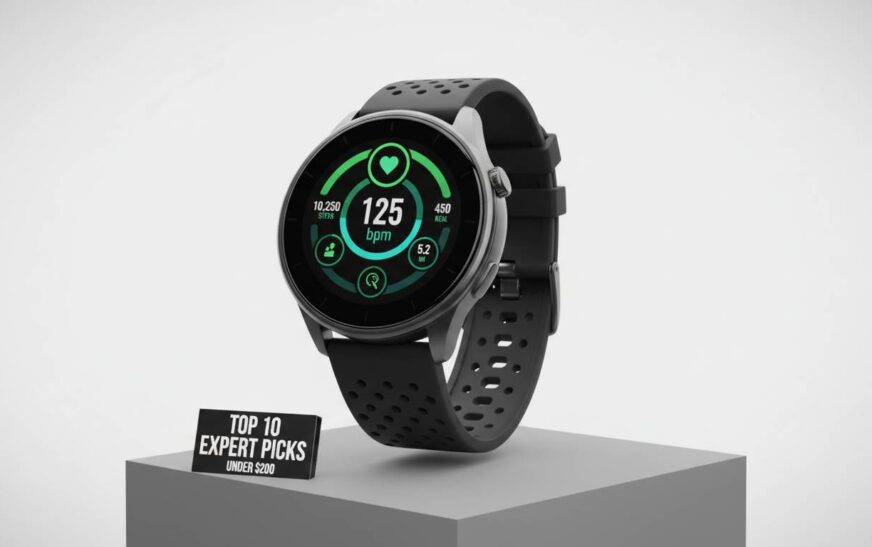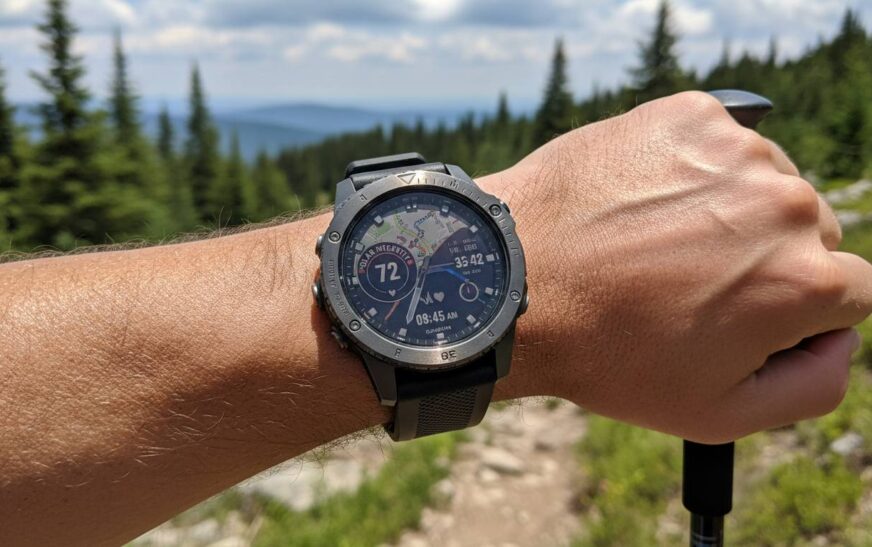

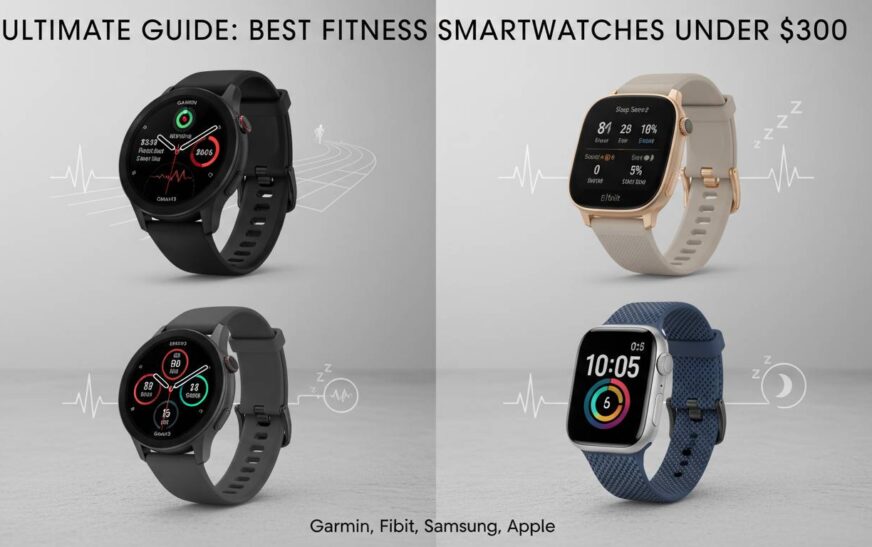
Finding a quality fitness smartwatch without spending a fortune isn’t as hard as it used to be. After testing dozens of options in this price range, I’ve identified the best performers that actually deliver where it matters most—accurate tracking, reliable battery life, and features that genuinely help you reach your fitness goals. Whether you’re a runner looking for built-in GPS, a gym-goer who needs robust workout detection, or someone who just wants reliable daily health monitoring, there’s a solid option here for under $300.
This guide breaks down my top picks with real-world testing insights, so you can find the perfect fitness companion without overspending.
Quick Comparison Table
Before diving into detailed reviews, here’s how the top contenders stack up against each other:
| Smartwatch | Price | Battery Life | GPS | Water Resistance | Heart Rate |
|---|---|---|---|---|---|
| Garmin Forerunner 55 | $299 | 14 days | Built-in | 5ATM | Gen 4 |
| Fitbit Sense 2 | $249 | 6+ days | Built-in | 5ATM | PurePulse |
| Apple Watch SE | $249 | 18 hours | Built-in | 50m | Optical |
| Samsung Galaxy Watch 6 | $279 | 40 hours | Built-in | IP68 | Optical |
| Amazfit GTR 4 | $199 | 14 days | Built-in | 5ATM | BioTracker |
| Garmin Venu 3 | $299 | 14 days | Built-in | 5ATM | Gen 4 |
| Fitbit Inspire 3 | $99 | 10 days | Connected | 5ATM | PurePulse |
| Huawei Watch GT 4 | $249 | 14 days | Built-in | 5ATM | TruSeen |
| TicWatch Pro 5 | $260 | 80+ hours | Built-in | IP68 | Heart Rate |
| COROS Apex 2 | $299 | 25 days | Built-in | 5ATM | Optical |
Now let’s look at each option in detail.
Garmin Forerunner 55 – Best Overall Pick
The Garmin Forerunner 55 earns my top recommendation as the most well-rounded fitness smartwatch under $300. It nails the fundamentals that matter most to fitness enthusiasts without unnecessary bells and whistles that drive up the price.
What sets this watch apart is its dedicated focus on running. The PacePro feature gives you grade-adjusted pacing guidance, which is surprisingly accurate for a watch in this price range. I’ve used it on several trail runs and was impressed by how well it adjusted recommendations based on elevation changes. The daily suggested workouts adapt based on your recovery status, which helps prevent overtraining.
Battery life is exceptional—you’re looking at about two weeks of use with daily tracking, or around 20 hours with GPS enabled. That puts it in a different league compared to Apple Watch and Samsung options that need charging every day or two.
The watch tracks over 25 activity profiles, from running and cycling to yoga and Pilates. Sleep tracking with sleep score gives you actionable insights, though it’s not as detailed as what you’d get from a Fitbit. The body battery energy monitoring helps you understand when to push hard and when to take it easy.
One minor drawback is the basic monochrome display—it won’t win any beauty contests compared to AMOLED screens on competing watches. But that same choice contributes to excellent battery life and makes the watch easier to read in direct sunlight.
Who should buy this: Runners and fitness enthusiasts who want reliable, no-nonsense tracking with excellent battery life and don’t need smartphone apps or contactless payments.
Fitbit Sense 2 – Best Health Features
The Fitbit Sense 2 stands out for anyone prioritizing comprehensive health monitoring over raw fitness metrics. While it’s technically more of a health-focused smartwatch than a dedicated fitness tracker, it handles workout tracking admirably.
The highlight here is the sensor array. You get continuous heart rate tracking, blood oxygen monitoring, skin temperature tracking, and Fitbit’s unique EDA stress sensor that measures electrodermal activity. That last one is genuinely useful—I found the stress management prompts helped me recognize when I was actually tense versus just tired.
The GPS works well for outdoor activities, though you’ll need your phone nearby for the initial connection. Once synced, tracking is accurate for runs, walks, and bike rides. The Active Zone Minutes system gamifies your activity, awarding points for time spent in different heart rate zones.
Battery life hits around six days with always-on display disabled, or about three days with it enabled. That’s middle-of-the-road for this price bracket—better than Apple Watch but not in the same league as Garmin’s endurance.
The AMOLED display is crisp and vibrant, making it enjoyable to use throughout the day. Fitbit’s sleep tracking remains the industry leader, with detailed sleep stages, spo2 trends, and a helpful sleep score that actually correlates with how you feel.
One thing to note: Fitbit recently shifted to a subscription model for some premium features. The basic insights remain free, but advanced sleep analysis and personalized recommendations now require Fitbit Premium. It’s not a dealbreaker, but worth knowing.
Who should buy this: Health-conscious users who want comprehensive wellness monitoring, good sleep tracking, and a polished smartwatch experience without the Apple ecosystem lock-in.
Apple Watch SE (2nd Gen) – Best iPhone Companion
If you’re in the Apple ecosystem, the Watch SE (2nd generation) offers the most features per dollar within Apple’s lineup. It shares the same processor as the Series 8 and includes most essential features at a significantly lower price point.
The fitness tracking is robust—Apple has invested heavily in workout detection, and the SE handles automatic workout recognition surprisingly well. Fall detection and Crash Detection add safety features that could prove invaluable. The swim-proof design tracks pool workouts with decent accuracy, though dedicated fitness brands still edge it out for serious swimmers.
The downside is battery life. You’ll charge this watch every 18-24 hours, which means nightly charging becomes part of your routine. For some users, that’s a dealbreaker. The always-on display option further impacts already-limited battery life.
Integration with iPhone is seamless, of course. Notifications, Siri, Apple Music controls, and the growing Apple Fitness+ library all work smoothly. If you’re already paying for Apple Music or Fitness+, the watch becomes even more valuable.
GPS-only models start around $249, while cellular versions add $50. Unless you frequently leave your phone behind during workouts, the GPS model makes more sense for most people.
Who should buy this: iPhone users who want a capable fitness tracker with full smartwatch functionality, seamless ecosystem integration, and aren’t bothered by daily charging.
Samsung Galaxy Watch 6 – Best Android Smartwatch
The Samsung Galaxy Watch 6 represents the best Android smartwatch experience under $300, particularly for users already in Samsung’s ecosystem. It’s a versatile performer that balances fitness tracking with everyday smartwatch features.
Fitness tracking covers the basics well and adds some nice extras. Body composition analysis gives you readings for skeletal muscle mass, body water, and body fat percentage—useful for tracking fitness progress over time. The running coach feature provides real-time audio coaching, though it’s not as sophisticated as Garmin’s offerings.
The rotating bezel (on the 44mm model) remains one of my favorite smartwatch navigation methods. It just feels natural and precise compared to touchscreen-only alternatives. The Super AMOLED display is gorgeous, with deep blacks and excellent brightness for outdoor visibility.
Battery life is the Achilles heel. Expect around 40 hours with the display set to automatic. Enabling always-on display drops that further. Like Apple Watch, you’re looking at daily charging, though Samsung has improved fast charging significantly.
One consideration: Samsung’s health tracking works best when paired with a Samsung phone. Some features get downgraded on non-Samsung Android devices. iPhone users can technically use the Galaxy Watch, but functionality is severely limited.
Who should buy this: Android users, especially Samsung phone owners, who want the best all-around smartwatch experience with solid fitness tracking and don’t mind charging daily.
Amazfit GTR 4 – Best Budget Option
The Amazfit GTR 4 delivers impressive value at under $200, making it the smart choice for budget-conscious fitness enthusiasts. Amazfit (a subsidiary of Zepp) has made significant strides in recent years, and this model competes with watches costing twice as much.
Battery life is the headline feature—two weeks between charges is realistic even with GPS enabled. Turn on basic tracking only, and you might push three weeks. That kind of endurance is nearly unmatched in this price range.
The dual-band GPS is surprisingly accurate. I’ve compared it side-by-side with Garmin and Apple watches on multiple runs, and the GTR 4 tracks consistently well. It handles tree cover and urban canyons better than single-band GPS alternatives.
The fitness features include over 150 sports modes, automatic workout detection, and Zepp’s decent (if not industry-leading) health tracking. You get 24/7 heart rate monitoring, sleep tracking, and stress measurements. The accuracy isn’t quite on par with Garmin or Fitbit, but it’s close enough for most casual users.
The design is attractive—a classic round watch face with solid build quality. The 1.43-inch AMOLED display is bright and readable. You also get built-in Alexa support, though it’s not as deeply integrated as on more expensive options.
Who should buy this: Budget-focused buyers who prioritize battery life and solid GPS accuracy over polish and ecosystem integration.
Garmin Venu 3 – Best Display Quality
The Garmin Venu 3 bridges the gap between fitness-focused and lifestyle smartwatches better than most. It maintains Garmin’s excellent fitness tracking while adding features that make it viable as an everyday smartwatch.
The AMOLED display is a game-changer for anyone used to Garmin’s older memory-in-pixel screens. Colors pop, text is crisp, and the always-on display is actually readable. This was my main complaint about previous Garmin watches, and the Venu 3 solves it.
Fitness tracking is where Garmin excels. The Venu 3 includes over 30 embedded sports apps, from golf and skiing to strength training and Pilates. The Body Battery feature synthesizes heart rate variability, sleep, and activity data to tell you your energy levels. I found it surprisingly accurate at predicting my morning energy.
New features include improved sleep tracking with sleep coach recommendations and the ability to answer calls directly from the watch (using your phone’s connection). The speaker quality is decent for quick calls, though you’ll still want your phone for extended conversations.
Battery life sits around two weeks in smartwatch mode or about 26 hours with GPS. That’s excellent given the vibrant display. You can stretch it further by disabling always-on display.
Who should buy this: Users who want Garmin’s fitness expertise with a beautiful display and don’t need cellular connectivity.
Fitbit Inspire 3 – Best Value Tracker
Not everyone needs a full smartwatch. The Fitbit Inspire 3 proves you can get excellent fitness tracking for under $100, making it perfect for those just starting their fitness journey or who want simple tracking without complexity.
This tiny band-style tracker monitors heart rate continuously, tracks sleep, measures blood oxygen, and automatically recognizes activities like walking, running, and swimming. The 10-day battery life means you forget it’s even there until you need to charge it.
The companion app remains Fitbit’s strength. Even without a Premium subscription, you get basic sleep scores, activity summaries, and trend tracking over time. Seeing your resting heart rate trend downward or sleep scores improve provides genuine motivation.
Water resistance to 50 meters handles pool swimming without issue. The swim tracking records duration and calculates estimated calories burned, though you won’t get detailed stroke analysis.
The monochrome display won’t impress anyone, but it works fine for checking time and glanceable stats during workouts. The slim profile makes it comfortable to wear 24/7, including in bed for sleep tracking.
Who should buy this: Budget buyers, fitness beginners, or anyone who wants automatic activity tracking without the hassle of a bulkier smartwatch.
Huawei Watch GT 4 – Best Battery Life Contender
The Huawei Watch GT 4 continues Huawei’s tradition of exceptional battery life while improving fitness tracking accuracy that had previously been a weakness. This watch can genuinely last two weeks between charges, matching or exceeding the Amazfit GTR 4.
The design is sophisticated—available in both 41mm and 46mm sizes, with multiple finish options from sporty to elegant. The 1.43-inch AMOLED display is excellent, with smooth animations and good outdoor visibility.
Fitness features include over 100 workout modes, automatic exercise recognition, and Huawei’s improved TruSeen heart rate sensor. Accuracy has improved noticeably from previous generations, though it still occasionally struggles during high-intensity interval training compared to Garmin.
Health monitoring covers the essentials: continuous heart rate, blood oxygen, stress tracking, and sleep analysis. Huawei’s sleep algorithm tends to be optimistic compared to Fitbit or Garmin, but consistency in tracking still provides useful trends.
The main consideration is ecosystem limitations. Huawei phones get the full experience, but iPhone and non-Huawei Android users lose some features. The Health app works, but you won’t get the tight integration Huawei phone owners enjoy.
Who should buy this: Users who prioritize battery life above all else and either use Huawei phones or don’t mind reduced functionality on other devices.
TicWatch Pro 5 – Best Hybrid Display
The TicWatch Pro 5 stands out with its unique dual-layer display technology—a transparent LCD overlay on an AMOLED screen that shows essential information while dramatically extending battery life.
In essential mode (using just the LCD layer), you get an incredible 80+ hours of battery life. That’s not a typo. The LCD layer displays time, date, heart rate, and step count in a format that’s always readable. Switch to full smartwatch mode with the AMOLED display active, and you still get about two days of use.
The watch runs Wear OS, giving you access to the full Google smartwatch ecosystem. Google Maps, Google Wallet, and thousands of apps are available directly on the watch. This makes it more functional for everyday tasks than fitness-first alternatives.
Fitness tracking uses TicHealth, which covers the basics well but isn’t as detailed as Garmin or Fitbit ecosystems. You get GPS tracking, heart rate monitoring, blood oxygen, and sleep tracking. Accuracy is acceptable for most users but doesn’t lead the pack.
The rotating crown provides intuitive navigation through menus and notifications. Build quality feels premium, with a stainless steel case and sapphire crystal glass.
Who should buy this: Users who want Wear OS functionality but need exceptional battery life and don’t want to charge daily.
COROS Apex 2 – Best for Endurance Athletes
The COROS Apex 2 targets serious athletes, particularly those who spend long hours training. With up to 25 days of battery life in regular mode or 45 hours with GPS, this watch outlasts nearly everything else while maintaining excellent tracking accuracy.
COROS has built a reputation among serious runners and cyclists for accurate GPS and durable hardware. The Apex 2 continues that tradition with dual-frequency GPS that handles challenging environments exceptionally well. I’ve taken it on trail runs through dense forest where most watches struggle, and it maintained lock without issues.
The training features go deep. Training Hub provides workout planning, while the COROS app offers advanced analysis including training load, recovery recommendations, and VO2 max estimates. The elevation metrics are particularly useful for trail runners and hikers, with detailed altitude tracking and grade-adjusted pace.
The design is compact and comfortable, with a titanium bezel and stainless steel bottom. At 52 grams, it’s light enough for all-day wear without feeling bulky. The 1.2-inch always-on MIP display is readable in direct sunlight, though colors aren’t as vibrant as AMOLED alternatives.
Navigation features include breadcrumb trail navigation and point-of-interest downloads, useful for trail running and hiking adventures.
Who should buy this: Serious endurance athletes who prioritize tracking accuracy, battery life, and training analysis over smartwatch features.
How to Choose a Fitness Smartwatch
With so many solid options, picking the right watch comes down to understanding your priorities. Here’s how to think through the decision:
Battery Life vs. Features
This is usually the biggest trade-off. Garmin, COROS, and Amazfit watches prioritize battery life, often at the expense of third-party apps and always-on displays. Apple, Samsung, and Fitbit Sense offer more features but require more frequent charging.
Ask yourself: Will daily charging bother you? If yes, prioritize battery life. If you already charge your phone nightly, adding a smartwatch to that routine might feel natural.
Ecosystem Matters
Your smartphone brand largely dictates your best option. iPhone users get the most from Apple Watch. Samsung phone owners should look at Galaxy Watch. Android users with other phones have more flexibility but should verify feature compatibility before buying.
Garmin, Fitbit, and Amazfit watches work well across platforms, making them safer choices if you might switch phones in the future.
Fitness Focus vs. Lifestyle Balance
Are you training for specific events, or do you want general health awareness? Dedicated fitness brands (Garmin, COROS) offer deeper workout analysis. The Apple Watch and Galaxy Watch balance fitness with everyday functionality.
Consider which metrics actually matter to you. If you need advanced running dynamics or training load analysis, lean toward Garmin or COROS. If you want sleep tracking and stress monitoring, Fitbit or Apple might suit you better.
Display Type
AMOLED displays (Apple, Samsung, Fitbit Sense, Garmin Venu) offer vibrant colors and always-on options but drain battery faster. LCD or MIP displays (Garmin, COROS, Amazfit) remain readable in sunlight and conserve battery but can’t match OLED blacks and colors.
FAQs
What is the best smartwatch for fitness under $300?
The Garmin Forerunner 55 earns our top recommendation as the most well-rounded fitness smartwatch under $300. It offers excellent GPS accuracy, robust fitness tracking features, two-week battery life, and a focused design that prioritizes what fitness enthusiasts actually need.
Is Garmin better than Fitbit for fitness tracking?
Both brands excel but in different areas. Garmin generally offers better GPS accuracy, more detailed workout metrics, and superior battery life for serious athletes. Fitbit provides better sleep tracking, more intuitive apps, and a better overall health ecosystem for general fitness. Your choice depends on whether you’re training for specific events or want general wellness monitoring.
How long do fitness smartwatches typically last?
Most quality fitness smartwatches last 3-5 years with proper care. Battery capacity naturally degrades over time, so you might notice reduced runtime after a couple of years. Garmin and COROS watches tend to have better longevity due to their focus on function over trends.
Do I need GPS in my fitness smartwatch?
Built-in GPS is highly recommended for accurate outdoor activity tracking. Connected GPS (using your phone’s GPS) works but requires carrying your phone during workouts. If you primarily walk on a treadmill or workout indoors, connected GPS might suffice, but runners and cyclists will want built-in GPS.
Can I swim with a fitness smartwatch?
Most smartwatches rated 5ATM are suitable for pool swimming and recreational water activities. However, hot tubs, diving, and water sports with impact may damage even water-resistant watches. Check the specific water resistance rating before swimming regularly.
What’s the best fitness smartwatch for runners?
The Garmin Forerunner 55 is our top pick for most runners, offering excellent GPS, pace guidance, and training features. Serious marathoners or ultra-runners might consider the COROS Apex 2 for its superior battery life and advanced training metrics.
Final Verdict
Finding the best fitness smartwatch under $300 comes down to matching your specific needs with the right feature set. The Garmin Forerunner 55 earns our top recommendation as the most complete package—reliable GPS, excellent battery life, and focused fitness features that help you train smarter without breaking the bank.
For iPhone users who want full smartwatch functionality, the Apple Watch SE delivers the best integration, despite daily charging. Android users get the most polished experience with the Samsung Galaxy Watch 6, while budget buyers can’t go wrong with the Amazfit GTR 4 or Fitbit Inspire 3.
Whatever you choose, you’re getting more capability than ever before at this price point. The days of needing to spend $500+ for quality fitness tracking are over—these options prove you don’t need to compromise.