
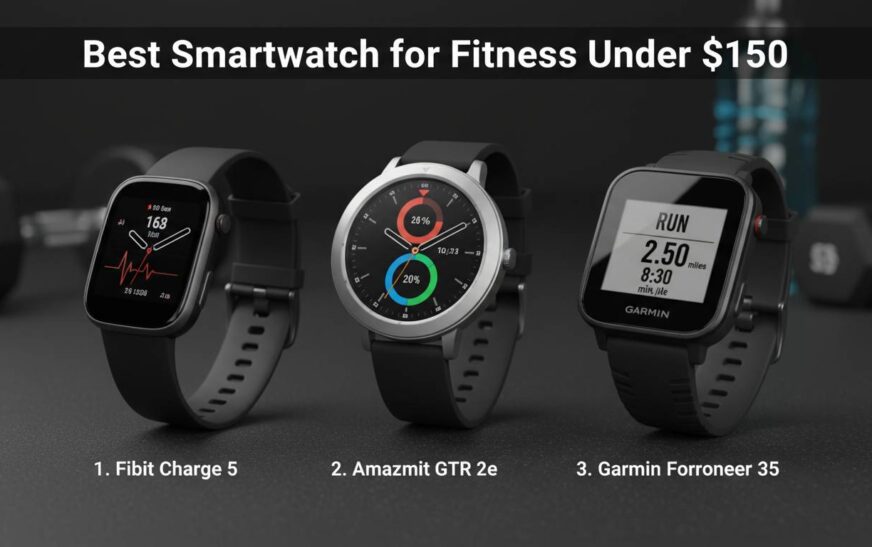
Finding a quality fitness smartwatch without breaking the bank isn’t as hard as it used to be. If you’re looking for the best smartwatch for fitness under $150, the Garmin Forerunner 55 stands out as our top overall pick thanks to its dedicated running features, impressive battery life, and beginner-friendly training tools. Below, we’ve rounded up the best options across different categories to help you find the perfect match for your fitness goals and budget.
Our Top Picks at a Glance
Before diving into detailed reviews, here’s a quick overview of our favorite fitness smartwatches under $150:
| Model | Best For | Key Feature | Approximate Price |
|---|---|---|---|
| Garmin Forerunner 55 | Overall | Training plans | $130-$150 |
| Garmin Vivoactive 4 | Battery Life | 8-day battery | $140-$160 |
| Amazfit GTR 4 | Value | Built-in GPS | $100-$130 |
| Fitbit Charge 5 | Features | Built-in GPS | $130-$150 |
| Xiaomi Mi Band 7 | Budget | Affordable | $40-$60 |
Best Overall: Garmin Forerunner 55
The Garmin Forerunner 55 earns our top spot as the best smartwatch for fitness under $150. It’s easy to see why this model has become a favorite among runners and fitness enthusiasts.
Garmin has long been the go-to brand for fitness-focused wearables, and the Forerunner 55 continues that tradition at a more accessible price point. This watch was designed with runners in mind, offering features that typically cost much more in competing models. The training plan feature alone sets it apart, providing guided workouts that adapt to your progress and help you prepare for a 5K, 10K, or even half marathon.
The battery life on this watch is genuinely impressive. You can expect around two weeks of use on a single charge with typical daily wear, and up to 20 hours in GPS mode. That’s enough for several marathon training runs or a full week of tracking without worrying about finding a charger.
What really makes the Forerunner 55 shine is its simplicity. Unlike some watches that overwhelm you with metrics and notifications, this one focuses on what matters most for fitness. You’ll get heart rate monitoring, step tracking, sleep monitoring, and stress tracking. The essentials without the complexity. The PacePro feature is particularly useful, helping you maintain the right pace throughout your runs by providing guidance based on course gradients.
The watch also includes recovery time suggestions and daily workout recommendations based on your recent activity. This takes much of the guesswork out of training, especially if you’re relatively new to structured fitness routines. The body battery energy monitoring gives you insight into whether you’re ready for an intense workout or should take it easy.
One trade-off to consider: the Forerunner 55 doesn’t include onboard music storage or contactless payments. If those features matter to you, you might want to look at the Vivoactive 4 or consider spending a bit more. However, for pure fitness tracking and running functionality, this watch delivers exceptional value.
The design is clean and functional, with a comfortable silicone band that works well during sweaty workouts. The display is easy to read in direct sunlight, which is crucial for outdoor activities. At around $140, you’re getting Garmin’s GPS accuracy and fitness algorithms without the premium price tag of their higher-end models.
“The Forerunner 55 strikes the perfect balance between features and accessibility. It’s sophisticated enough for experienced runners but straightforward enough for anyone just starting their fitness journey.” — Industry review consensus
Best Battery Life: Garmin Vivoactive 4
If battery longevity is your top priority, the Garmin Vivoactive 4 might be the better choice, despite its slightly higher price point. This watch offers up to 8 days of battery life in smartwatch mode and up to 6 hours in GPS mode with music, making it one of the longest-lasting options in this price range.
The Vivoactive 4 stands out because it combines fitness tracking with everyday smartwatch features more seamlessly than the Forerunner series. You get built-in GPS, heart rate monitoring, pulse ox sensors, and breathing exercises, all packaged in a design that’s comfortable enough for all-day wear.
One feature that fitness enthusiasts particularly appreciate is the animated workout display. Instead of just showing numbers, the watch displays easy-to-follow animations for strength training, cardio, yoga, and Pilates workouts. This makes it much easier to perform exercises correctly without constantly referring to your phone or a computer screen.
The sleep tracking on this model is more advanced than many competitors, offering a detailed breakdown of light, deep, and REM sleep stages. While not as comprehensive as dedicated sleep trackers, it provides enough data to help you understand your rest patterns and make improvements.
The Vivoactive 4 also includes incident detection and assistance features, which can automatically send your location to emergency contacts if the watch detects a fall or other incident during activity. This adds a layer of safety that matters, especially for older users or those exercising alone.
At around $140-$160, it’s at the edge of our budget, but the combination of features and battery life justifies the investment. The only real drawback is that the touchscreen can be less responsive than button controls during sweaty workouts, but this is a minor issue that most users quickly adapt to.
Best Value with GPS: Amazfit GTR 4
For those who want built-in GPS without spending top dollar, the Amazfit GTR 4 delivers remarkable value. Priced typically between $100 and $130, this watch offers features that were unheard of at this price point just a few years ago.
Amazfit, a subsidiary of Xiaomi, has been making waves in the budget smartwatch market, and the GTR 4 represents their most polished offering yet. The dual-band GPS is surprisingly accurate, holding onto satellite signals even in challenging environments like dense urban areas or forests. Many users report GPS accuracy comparable to watches costing three times as much.
The battery life is exceptional. Expect around 14 days of typical use and up to 24 hours in continuous GPS mode. That’s better than many premium watches and makes the GTR 4 ideal for endurance athletes or anyone who hates charging their devices frequently.
The fitness features include over 150 sport modes, automatic workout detection, and Zepp app integration for detailed analysis. You’ll get heart rate monitoring, blood oxygen measurement, stress tracking, and sleep analysis. The health ecosystem isn’t as refined as Garmin’s, but the data is generally accurate and useful for everyday fitness tracking.
One area where the GTR 4 falls slightly behind competitors is the software experience. The Zepp app works fine but feels less polished than Garmin Connect or Fitbit’s ecosystem. Additionally, while the watch includes NFC for payments in some regions, this feature isn’t available everywhere.
The design is another strong point. The GTR 4 features a sleek, round case that looks more like a traditional watch than many fitness trackers. It transitions well from workout to office, making it a good choice if you want something that doesn’t look exclusively like sports equipment.
For pure value, it’s hard to beat what Amazfit has packed into this price point. You’re getting built-in GPS, two-week battery life, and comprehensive health tracking, all for well under $150.
Best Feature Set: Fitbit Charge 5
The Fitbit Charge 5 demonstrates that you don’t need to spend a fortune to get premium features. This advanced fitness tracker includes built-in GPS, which was previously a flagship-only feature, along with Fitbit’s renowned health and sleep tracking capabilities.
What sets the Charge 5 apart is the comprehensive health monitoring. Beyond standard heart rate and step tracking, it offers daily readiness scores that tell you whether your body is recovered and ready for intense exercise. This uses a combination of heart rate variability, sleep quality, and activity levels to generate actionable insights.
The ECG app, cleared by the FDA, can detect heart rhythm irregularities, adding genuine medical value beyond typical fitness tracking. The blood oxygen sensor measures your SpO2 levels during sleep, helping identify potential breathing issues. These features were once exclusive to much more expensive devices.
The design has evolved from earlier Charge models, offering a slimmer profile and a more vibrant AMOLED display. It’s comfortable enough for 24/7 wear, and the battery typically lasts around 5-7 days depending on usage and GPS activation.
The main trade-off with the Charge 5 is that it’s more of an advanced band than a traditional smartwatch. You won’t get Wi-Fi connectivity, apps, or extensive smartwatch features like replying to messages. However, for fitness tracking, it’s exceptional.
Fitbit’s app ecosystem remains one of the best in the industry. The detailed sleep scores, activity zone minutes, and social features make it easy to stay motivated. If you already use other Fitbit devices, this integrates seamlessly into your existing setup.
At around $130-$150, the Charge 5 represents excellent value for anyone prioritizing health metrics over smartwatch features.
Best Budget Option: Xiaomi Mi Band 7
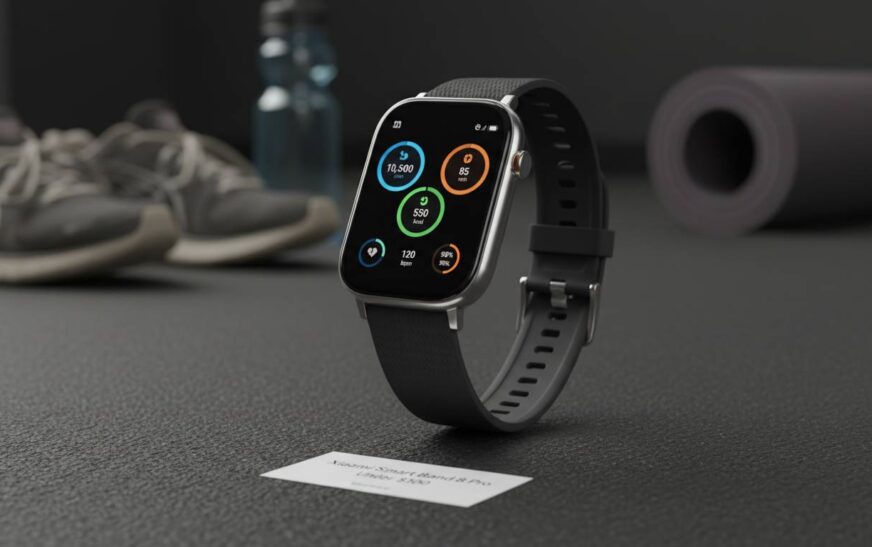
Not everyone needs all the advanced features, and the Xiaomi Mi Band 7 proves that basic fitness tracking doesn’t have to be expensive. Priced typically between $40 and $60, this tiny tracker offers surprising functionality at an unbeatable price.
The Mi Band 7 features a larger display than its predecessors, making it easier to read metrics at a glance. It includes 24/7 heart rate monitoring, blood oxygen measurement, stress tracking, and sleep analysis. You’ll also get over 110 sport modes, though the accuracy varies depending on the activity.
The battery life is outstanding. Expect around two weeks of use between charges. This makes it ideal for anyone tired of charging devices every day or looking for a reliable backup watch.
The main limitations are the lack of built-in GPS (you’ll need to carry your phone for distance tracking) and the less refined app experience compared to Fitbit or Garmin. The companion app has improved but still feels clunky compared to competitors.
For the price, though, you get remarkably capable fitness tracking. It’s perfect for casual fitness enthusiasts, anyone stepping into the world of activity tracking, or anyone who wants a secondary device without significant investment.
How to Choose the Right Fitness Smartwatch Under $150
With several excellent options available, selecting the right watch depends on your specific needs and priorities. Here’s what to consider before making your decision.
Primary Activity Type
The type of exercise you do most matters significantly. Runners will benefit most from the Forerunner 55’s specialized features, while swimmers might prefer the Vivoactive 4’s water resistance. Gym enthusiasts should look for strength training tracking, and casual users might prioritize overall health monitoring over sport-specific metrics.
Battery Life Requirements
Consider how often you’re willing to charge your device. If you want minimal charging hassle, the GTR 4 or Forerunner 55 offer the best endurance. Frequent travelers or forgetful chargers should avoid the Charge 5, which typically needs weekly charging.
Ecosystem Preferences
Your existing devices and preferred apps influence the experience significantly. Fitbit users will appreciate the Charge 5’s deep integration, while Garmin owners might prefer adding another Garmin device to their ecosystem. Amazfit works best with Android but offers decent iOS support.
Must-Have Features
Make a list of features you actually need versus nice-to-haves. Built-in GPS matters for outdoor activities without phones. Music storage helps if you run without phones. NFC payments are convenient if you want contactless checkout. Prioritizing essentials helps narrow down choices quickly.
Display and Design Preferences
Some users prefer the traditional watch look of round-faced devices like the GTR 4. Others prefer the compact band style of the Charge 5 or Mi Band 7. Consider whether you’ll wear the device all day, including to work or social events, when choosing a style.
Key Features to Look For
Understanding what makes a quality fitness smartwatch helps you make an informed decision. Here are the most important features to evaluate.
Heart Rate Monitoring
Optical heart rate sensors have become standard, but accuracy varies. Look for watches with multiple sensors and proven accuracy records. Wrist-based heart rate works well for most users, though chest straps provide superior accuracy during high-intensity activities.
GPS Capabilities
Built-in GPS eliminates the need to carry your phone during outdoor activities. Dual-band GPS offers improved accuracy in challenging environments. If you’re on a budget, devices without built-in GPS are still useful but require your phone for distance tracking.
Water Resistance
Most fitness watches offer at least 5ATM water resistance, suitable for swimming and showering. Check the specific rating if you plan to track pool workouts. Some watches offer better water resistance than others for activities like diving or water sports.
Sleep Tracking
Sleep tracking helps understand recovery and overall health. Look for devices that track sleep stages (light, deep, REM) rather than just total sleep time. Some devices also offer stress tracking and breathing exercises based on sleep data.
Smart Features
Consider what smartwatch features matter to you. Notifications are standard, but some watches offer reply options. Music control, contactless payments, and app support vary significantly. Decide which features justify higher prices versus which you can live without.
Final Thoughts
The fitness smartwatch market has matured significantly, and you don’t need to spend hundreds of dollars to get capable tracking. The Garmin Forerunner 55 remains our top recommendation for most people, offering the best balance of features, accuracy, and value. However, each of our picks excels in specific areas, so the best choice ultimately depends on your individual needs and preferences.
FAQs
What is the best smartwatch under $150 for fitness tracking?
The Garmin Forerunner 55 is our top recommendation for most users. It offers excellent running features, reliable GPS, two-week battery life, and training tools that adapt to your fitness level. At around $140, it delivers the best overall value for fitness-focused buyers.
Which smartwatch has the best battery life under $150?
The Amazfit GTR 4 offers the best battery life, lasting around 14 days with typical use and up to 24 hours in continuous GPS mode. The Garmin Forerunner 55 is a close second with approximately two weeks of battery life.
Is built-in GPS important in a fitness smartwatch?
Built-in GPS is important if you want to track outdoor activities like running, cycling, or hiking without carrying your phone. However, if you primarily work out indoors or always have your phone nearby, you can save money by choosing a model without built-in GPS.
Can fitness smartwatches under $150 track sleep?
Yes, most fitness smartwatches in this price range include sleep tracking. The Fitbit Charge 5 and Garmin models offer the most detailed sleep analysis, tracking sleep stages and providing quality scores. Even budget options like the Xiaomi Mi Band 7 include basic sleep monitoring.
Are cheap fitness trackers accurate enough for general use?
For general fitness tracking, budget options like the Xiaomi Mi Band 7 offer sufficient accuracy for steps, heart rate, and basic workouts. However, if you need precise GPS tracking, advanced metrics, or are training for specific athletic goals, investing in a Garmin or Fitbit device provides better accuracy and more features.
What’s the difference between a fitness tracker and a smartwatch?
Fitness trackers typically focus on health monitoring and activity tracking with basic notification features. Smartwatches offer more comprehensive functionality including apps, payments, and full smartphone integration. Many modern devices blur this line, so consider which features matter most to you.