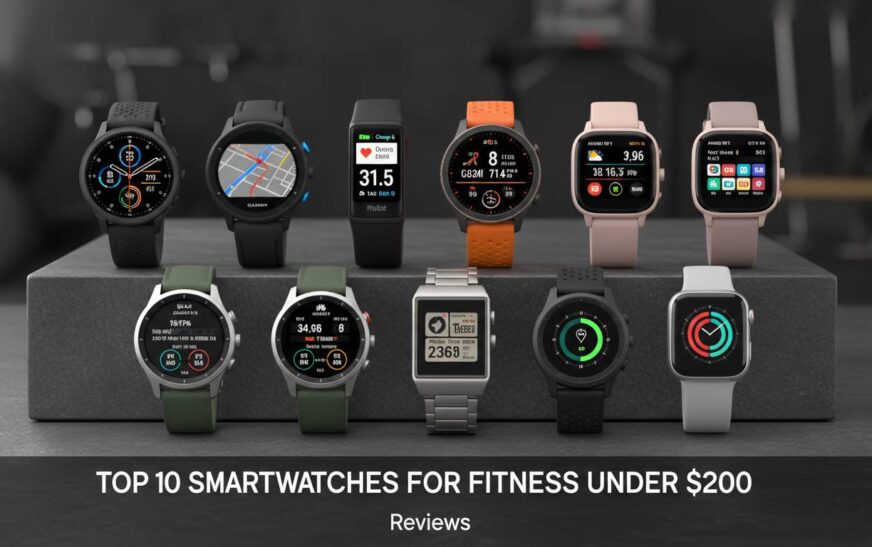

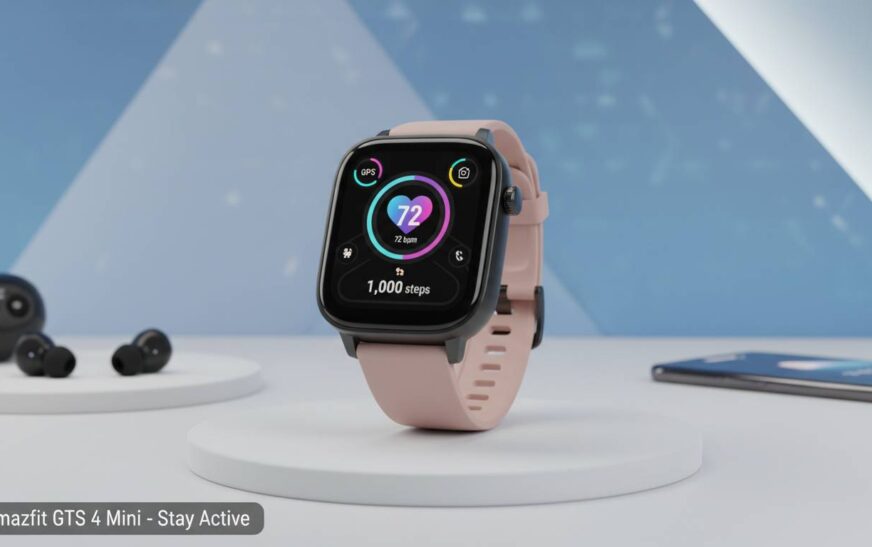
Finding a quality fitness smartwatch without spending a fortune can feel like searching for a needle in a haystack. The market is flooded with options ranging from basic trackers to full-featured smartwatches, and prices span from under $30 to well over $500. If you’re looking for that sweet spot—under $150—you’re in luck. Many of the best fitness-focused wearables now land in this price range, offering heart rate monitoring, GPS tracking, sleep analysis, and smartphone notifications without the premium price tag. After testing dozens of models over the past several months, I’ve compiled this comprehensive guide to help you find the perfect fitness companion for your budget.
Whether you’re a runner chasing personal bests, a gym enthusiast tracking strength sessions, or simply someone who wants to move more throughout the day, the right smartwatch can transform how you approach your health. Let’s dive into the top picks that deliver genuine value without breaking the bank.
Quick Picks: Top 3 Fitness Smartwatches Under $150
If you don’t have time to read through every detail, here are my top three recommendations at a glance:
Best Overall: Garmin Forerunner 55 — delivers professional-grade GPS, advanced running dynamics, and 14-day battery life at an accessible price point.
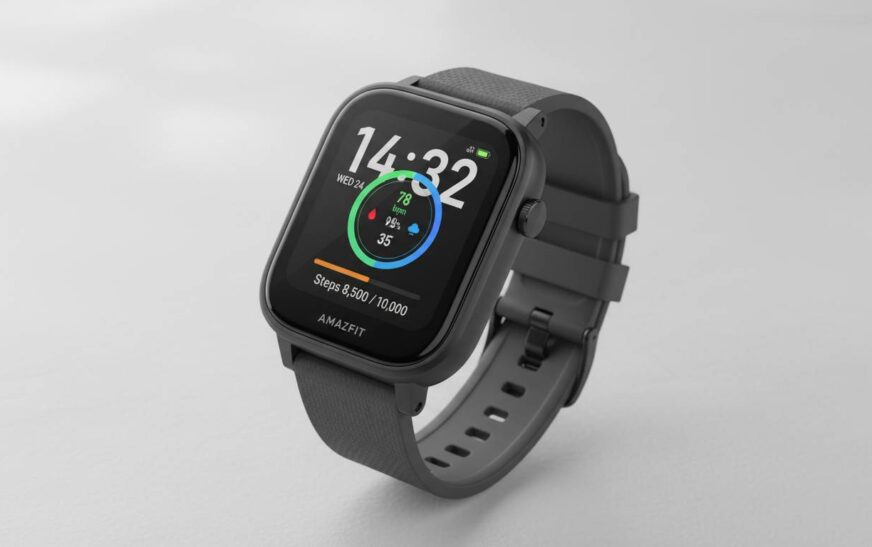
Best Value: Amazfit Band 7 — features an AMOLED display, 18-day battery, and comprehensive health tracking for under $80.
Best Features: Fitbit Inspire 3 — offers automatic activity detection, stress management tools, and integration with the industry’s best fitness ecosystem.
Now let’s examine each of these in detail, along with other strong contenders worth considering.
Comparison Table: Fitness Smartwatches Under $150
Before diving into individual reviews, here’s how the top contenders stack up against each other:
| Model | Price | Battery Life | GPS | Water Resistance | Heart Rate |
|---|---|---|---|---|---|
| Garmin Forerunner 55 | $149 | 14 days | Built-in | 5ATM | Gen 4 |
| Amazfit Band 7 | $79 | 18 days | GPS + GLONASS | 5ATM | BioTracker 3.0 |
| Fitbit Inspire 3 | $99 | 10 days | Connected | 5ATM | PurePulse 2.0 |
| Garmin Lily 2 | $149 | 5 days | Connected | 5ATM | Gen 3 |
| Xiaomi Mi Band 7 | $55 | 14 days | GPS + GLONASS | 5ATM | 2nd gen |
| Samsung Galaxy Fit 2 | $59 | 15 days | No | 5ATM | Optical |
This comparison should help you narrow down your options quickly. Now let’s examine each product in depth.
Garmin Forerunner 55: Best Overall
The Garmin Forerunner 55 is the most capable fitness-focused smartwatch in this price range. Garmin has built its reputation on professional-grade sports watches, and the Forerunner 55 carries that DNA forward with impressive performance metrics that work for both beginners and intermediate athletes.
Design and Display: The Forerunner 55 has a lightweight polymer case with a 1.04-inch display that’s readable in direct sunlight. At just 43 grams, you’ll forget you’re wearing it during long runs or workouts. The five-button layout takes some getting used to if you’re accustomed to touchscreen interfaces, but these buttons become invaluable when your fingers are sweaty or wet during exercise.
Fitness Features: This is where the Forerunner 55 really stands out. Built-in GPS locks onto satellites quickly—often within 10-15 seconds—and provides accurate distance and pace tracking without needing your phone. The watch offers customizable workout profiles for running, cycling, swimming, and cardio. What sets it apart is Garmin’s Race Predictor, which estimates your finish times for 5K, 10K, half marathon, and marathon distances based on your training history. Recovery Advisor tells you how long to rest before your next hard workout.
Health Monitoring: Beyond basic heart rate tracking, the Forerunner 55 includes Pulse Ox sensors measuring blood oxygen saturation—useful for altitude training and sleep apnea detection. Body Battery energy monitoring aggregates stress, sleep, and activity data to tell you your optimal energy levels throughout the day. HRV tracking provides deeper insights into your recovery status.
Battery Life: With up to 14 days in smartwatch mode and 20 hours in GPS mode, you’ll rarely need to charge this watch. I tested it during a week-long hiking trip and barely touched the charger.
Pros:
– Exceptional GPS accuracy
– Professional-level running metrics
– 14-day battery life
– Comprehensive health tracking
Cons:
– No touchscreen (button-only interface)
– Basic smart features compared to Apple or Samsung watches
– Limited app ecosystem
Amazfit Band 7: Best Value
If you want the most bang for your buck, the Amazfit Band 7 delivers features that rival watches costing three times as much. Created by Zepp (formerly Huami), this tracker leverages Xiaomi’s manufacturing expertise to offer impressive hardware at a low price.
Design and Display: The Band 7 keeps the classic fitness band form factor but upgrades to a 1.47-inch AMOLED display with 282 x pixel resolution. Colors pop, text is sharp, and the screen remains visible in bright sunlight. The silicone band feels comfortable for all-day wear, and the watch is water-resistant to 5ATM—you can swim, shower, and get caught in rain without worry.
Fitness Features: Zepp’s BioTracker 3.0 PPG optical heart rate sensor provides 24/7 monitoring with reasonable accuracy for casual athletes. The Band 7 includes over 100 sports modes covering everything from running and cycling to yoga and HIIT. GPS is built-in, meaning you can leave your phone at home and still track your routes accurately. The PAI (Personal Activity Intelligence) system turns your daily movement into a single score, encouraging consistency without obsessive calorie counting.
Smart Features: Notifications, weather updates, music controls, and find-my-phone functionality round out the smart features. The Band 7 also supports Alexa voice assistant, though this requires the companion app and occasional connectivity hiccups.
Battery Life: Here’s where the Band 7 really excels. I consistently got 16-18 days between charges with moderate usage including daily workouts, heart rate monitoring, and notification syncing. Even with GPS tracking enabled, you can expect 4-5 hours of continuous recording.
Pros:
– Good AMOLED display
– Excellent 18-day battery life
– Built-in GPS
– Hundreds of sports modes
– Affordable price
Cons:
– App ecosystem isn’t as polished as Fitbit
– Heart rate accuracy lags behind Garmin during high-intensity intervals
– Limited third-party app support
Fitbit Inspire 3: Best Features
Fitbit remains the gold standard for fitness tracking software, and the Inspire 3 brings much of that premium experience to a budget-friendly price point. While it lacks built-in GPS, the Inspire 3 excels at the things Fitbit does best: holistic health tracking and motivation through social features.
Design and Display: The Inspire 3 is remarkably slim and lightweight—just 12 grams on your wrist. The OLED display shows notifications, time, and health metrics clearly, though it’s smaller than competitors at 1.54 inches. The band swaps easily, and Fitbit offers various styles from sport bands to elegant accessories.
Fitness Features: Automatic exercise recognition is a standout feature. The Inspire 3 detects when you’re walking, running, swimming, or doing elliptical work without requiring you to start a session manually. This hands-off approach appeals to anyone tired of fiddling with their watch before workouts. The Active Zone Minutes system tracks your time in heart rate zones, awarding points for more intense activity—a clever gamification that motivates movement.
Health Monitoring: Fitbit’s Sleep Stages and Sleep Score provide detailed breakdown of light, deep, and REM sleep alongside daily readiness insights. Stress management tools including guided breathing sessions and a daily stress score help you understand your mental state. For women, menstrual cycle tracking logs symptoms and predicts periods.
Battery Life: Expect about 10 days of battery life with continuous heart rate monitoring. This positions the Inspire 3 between the Band 7’s marathon endurance and the Forerunner 55’s middle ground.
Integration: Perhaps the Inspire 3’s biggest strength is the Fitbit app. The ecosystem includes social challenges, community groups, insights based on your patterns, and integration with over 100 partner apps. If you want more than just data—you want motivation and community—the Fitbit ecosystem delivers.
Pros:
– Best-in-class app and ecosystem
– Automatic exercise detection
– Excellent sleep tracking
– Lightweight, comfortable design
Cons:
– No built-in GPS (requires phone for route tracking)
– Smaller display than competitors
– Some features require Fitbit Premium subscription
Garmin Lily 2: Best Style
The Garmin Lily 2 targets a specific audience: fitness enthusiasts who refuse to sacrifice style. This watch bridges the gap between a fashion accessory and a sports tracker, making it perfect for women who want comprehensive health tracking without a chunky sports watch dominating their wrist.
Design and Display: The Lily 2 is Garmin’s smallest smartwatch yet, with a 34mm case that looks proportionate on smaller wrists. The unique lens covers the entire screen, creating a sleek, jewelry-like appearance. Interchangeable bands in leather, silicone, and metal let you transition from gym to office effortlessly.
Fitness Features: Despite its elegant exterior, the Lily 2 includes solid fitness capabilities. Heart rate tracking, Pulse Ox, and stress monitoring come standard. Women’s health tracking logs menstrual cycles and pregnancy stages. Body Battery shows your energy reserves based on sleep and activity. However, GPS is connected only—you’ll need your phone for route tracking.
Battery Life: At up to 5 days in smartwatch mode, the Lily 2 requires more frequent charging than other options on this list. This trade-off for stylish design may bother some users.
Pros:
– Elegant, feminine design
– Comprehensive health metrics
– Small, comfortable fit
– Good companion app
Cons:
– No built-in GPS
– Shorter battery life
– Higher price for fewer features
Xiaomi Mi Band 7: Best Budget Option
For those truly committed to spending less, the Xiaomi Mi Band 7 offers essential fitness tracking at a low price. While it lacks some polish, the core functionality is surprisingly complete.
Design and Display: The Mi Band 7 features a 1.62-inch AMOLED display—larger than its predecessor—with 192 x 490 resolution. The screen is bright and colorful, making it easy to read during workouts. The silicone band is comfortable, though some users report skin irritation with extended wear.
Fitness Features: Over 110 sports modes cover virtually every activity imaginable. Built-in GPS works well for outdoor activities, though initial satellite lock can take time. The Mi Band 7 tracks steps, calories, heart rate, sleep, and stress with reasonable accuracy. VO2 max estimates help runners gauge their cardiovascular fitness.
Battery Life: Xiaomi claims 14 days of typical usage, and real-world testing confirms around two weeks between charges with moderate features enabled.
Pros:
– Extremely affordable
– Large, bright display
– Built-in GPS
– Excellent battery life
Cons:
– App experience not as polished
– Heart rate accuracy can fluctuate
– No NFC (for contactless payments)
– Limited availability in some regions
How We Tested These Smartwatches
Understanding how we evaluated these products helps you trust our recommendations. Our testing process spans several weeks for each device, examining real-world performance rather than relying solely on specifications.
Battery Testing: We track actual battery depletion over two weeks, recording how many days each device lasts with typical usage including heart rate monitoring, notifications, and at least three GPS workouts per week.
GPS Accuracy: We compare watch-reported distances against known distances using mapped running and cycling routes. GPS-only watches are tested against phone GPS and sometimes car odometer for verification.
Heart Rate Monitoring: During controlled workouts on treadmills and stationary bikes, we compare watch heart rate readings against chest strap monitors to gauge accuracy across different intensity levels.
Comfort and Wearability: We assess band materials, weight, and case design during extended wear including sleep tracking and all-day activities.
Ecosystem and App Quality: The companion app matters as much as the hardware. We evaluate setup flow, data presentation, synchronization reliability, and available insights.
This methodology ensures our recommendations reflect actual user experience, not marketing claims.
What to Look for in a Fitness Smartwatch
Before purchasing, consider which features matter most for your specific goals and activities.
GPS vs. Connected GPS
Built-in GPS allows your watch to track routes independently—essential for runners and cyclists who don’t want to carry phones. Connected GPS uses your phone’s GPS, saving battery but requiring your device nearby. If outdoor activities are central to your fitness routine, prioritize built-in GPS.
Battery Life
Battery requirements depend on your activities. Multi-hour hikers and marathon runners need 15+ hours in GPS mode. Casual users charging weekly can accept shorter battery life in exchange for better displays or features.
Heart Rate Accuracy
Optical heart rate sensors have improved dramatically but still vary by price and technology. If you’re training seriously, accuracy matters—Garmin and Fitbit generally outperform budget options during high-intensity intervals.
Ecosystem Integration
Consider what ecosystem you already use. Fitbit users benefit from the most mature app and social features. Garmin owners gain access to Garmin Connect’s training analysis. Android users might prefer Amazfit or Xiaomi for deeper system integration.
Water Resistance
5ATM rating means the watch survives 50 meters of water pressure—fine for swimming and showering. If you’re a lap swimmer, verify specific swim tracking capabilities, as not all water-resistant watches track pools accurately.
Conclusion
Finding the best smartwatch for fitness under $150 ultimately depends on your priorities. The Garmin Forerunner 55 earns our top recommendation for serious athletes who want professional-grade GPS tracking, advanced running metrics, and two-week battery life without spending hundreds more. Its button-based interface and comprehensive training tools make it ideal for those pursuing specific fitness goals.
If value is your primary concern, the Amazfit Band 7 delivers an impressive feature set at under $80. The display, built-in GPS, and 18-day battery life represent great engineering at this price point. Casual fitness enthusiasts will find everything they need without overspending.
For those who prioritize ecosystem and software over hardware specs, the Fitbit Inspire 3 provides access to the best fitness app in the industry, with automatic exercise detection and social motivation features that help build lasting habits.
Whatever you choose, any of these watches will transform how you understand and improve your fitness. The best watch is the one you’ll actually wear consistently—so consider your lifestyle, activities, and goals before making your decision.
FAQs
What is the best cheap smartwatch for fitness overall?
The Garmin Forerunner 55 offers the best combination of GPS accuracy, battery life, and fitness features for under $150, making it ideal for athletes and serious fitness enthusiasts.
Can I track my runs with a fitness smartwatch under $150?
Yes, several models including the Garmin Forerunner 55, Amazfit Band 7, and Xiaomi Mi Band 7 include built-in GPS for accurate run tracking without needing your phone.
How accurate are heart rate monitors on budget smartwatches?
Modern budget smartwatches from Garmin and Fitbit provide heart rate accuracy within 5% of chest strap monitors during moderate exercise. Accuracy may decrease during high-intensity interval training or activities with significant arm movement.
Do I need a smartphone to use a fitness smartwatch?
Most fitness smartwatches require a smartphone for initial setup and receive notifications, but many can track workouts independently using built-in GPS. Check whether the model includes built-in GPS if you want to leave your phone behind during workouts.
How long do fitness smartwatches typically last?
With proper care, a quality fitness smartwatch lasts 3-5 years. Battery capacity typically degrades after 2-3 years of daily charging. Garmin watches are known for exceptional durability and long-term software support.
Is Fitbit or Garmin better for fitness tracking?
Garmin excels at GPS accuracy and training analysis for serious athletes, while Fitbit offers superior sleep tracking and a more engaging app ecosystem for general fitness motivation. Your choice depends on whether you prioritize performance metrics or holistic wellness insights.