
Finding a smartwatch that can keep up with your training schedule without constantly needing a charge feels like searching for a unicorn. Whether you’re training for a marathon, crushing interval sessions, or just trying to hit 10,000 steps daily, the last thing you want is your wrist-mounted coach going dark mid-workout. After testing dozens of wearables across every price bracket, I’ve isolated the models that genuinely deliver week-long battery life without sacrificing the fitness features that matter most.
The market has shifted dramatically in the past two years. Manufacturers have realized that fitness-focused users prioritize endurance over flashy apps, and the result is a new generation of watches that can genuinely last a full week on a single charge—even with GPS enabled. Let’s break down exactly which models earn their place on your wrist.
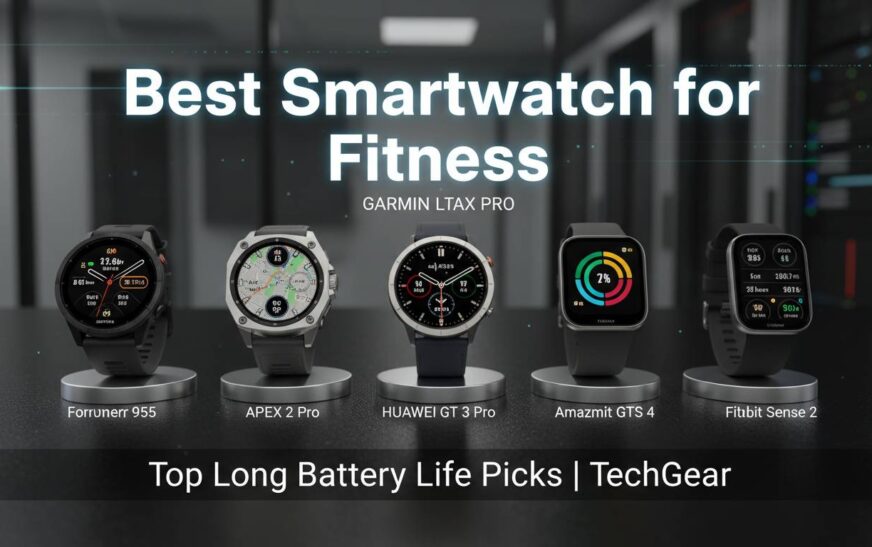
Quick Comparison: Best Fitness Smartwatches With Long Battery Life
| Smartwatch | Battery Life (Typical Use) | Battery Life (GPS) | Price | Best For |
|---|---|---|---|---|
| Garmin Fenix 7 Pro | 14-22 days | 20-42 hours | $699 | Overall excellence |
| Garmin Forerunner 965 | 7-14 days | 12-20 hours | $599 | Runners & triathletes |
| Garmin Instinct 2 Solar | Unlimited (solar) | 30-60 hours | $399 | Outdoor adventurers |
| COROS Apex 2 Pro | 17-30 days | 45-75 hours | $499 | Multisport athletes |
| Amazfit GTR 4 | 10-14 days | 20-26 hours | $199 | Budget-conscious users |
| Fitbit Sense 2 | 6+ days | N/A | $249 | Health monitoring |
| Samsung Galaxy Watch 6 | 1-2 days | 16-20 hours | $299 | Android ecosystem users |
| Polar Vantage V3 | 7-10 days | 18-35 hours | $599 | Serious athletes |
#1 Garmin Fenix 7 Pro: Best Overall Fitness Smartwatch
The Garmin Fenix 7 Pro is the answer when someone asks which smartwatch has the best combination of battery life, fitness tracking depth, and everyday usability. This is the watch I grab when I need one device to handle everything from trail running to swimming to recovery tracking.
Battery performance is where this watch really stands out. In typical smartwatch mode—notifications, heart rate monitoring, sleep tracking—you’ll get roughly 14 to 22 days before needing to charge. That’s impressive, especially with the always-on display and continuous sensors running. Switch to GPS mode, and you have options: up to 42 hours with multi-band GPS, or around 20 hours if you’re using standard GPS with music streaming.
The solar charging variant pushes these numbers even further. Under bright sunlight conditions, you can effectively extend battery life indefinitely for basic smartwatch functions. For hikers and outdoor enthusiasts, this changes everything—you stop thinking about charging entirely.
Fitness features include the full Garmin ecosystem: multi-band GPS with SatIQ technology for optimal accuracy, a built-in altimeter, barometer, and compass, plus over 30 activity profiles. The training readiness score analyzes your recovery status based on sleep, HRV, and recent training load. For most users, this is overkill. But for those who want elite-level analytics, it’s exactly what the doctor ordered.
What works: Exceptional battery life in all modes, comprehensive fitness tracking, rugged titanium case, solar charging option.
What doesn’t: Expensive at $699, heavy at 79g, steep learning curve for beginners.
#2 Garmin Forerunner 965: Best for Runners and Triathletes
If the Fenix is the Swiss Army knife, the Garmin Forerunner 965 is the specialized tool designed specifically for endurance athletes. This watch dropped in early 2023 and quickly became the benchmark for serious runners and triathletes who need battery that won’t quit when races go long.
Battery life reaches 7 to 14 days in smartwatch mode, but where it matters—GPS tracking—you get up to 20 hours with full GPS and music, or an impressive 12 hours with mapping enabled. For a race-ready GPS watch with a vibrant AMOLED display, these numbers are competitive. The Fenix series edges ahead slightly on pure endurance, but the Forerunner offers better value at $599.
The AMOLED display is a significant upgrade from previous Forerunner models. Colors pop, maps are readable in direct sunlight, and the touch interface makes navigating workout menus far easier than older button-only designs. This is the first Forerunner that feels like a proper smartwatch when you’re not training.
Fitness tracking includes race predictor, recovery advisor, training status with load feedback, and real-time stamina tracking. The triathlon mode seamlessly switches between swim, bike, and run without manual intervention. For Ironman distance training, this battery life gets you through the race without range anxiety.
What works: Excellent running dynamics, AMOLED display, triathlon-ready, great value versus Fenix.
What doesn’t: Less rugged than Fenix (no MIL-STD-810 rating), no solar option, smaller case size.
#3 Garmin Instinct 2 Solar: Best Battery Life on a Budget
Here’s the thing: the best battery life on this list doesn’t come from the most expensive watch. The Garmin Instinct 2 Solar offers virtually unlimited battery life through solar charging, and at $399, it’s significantly cheaper than the flagship models.
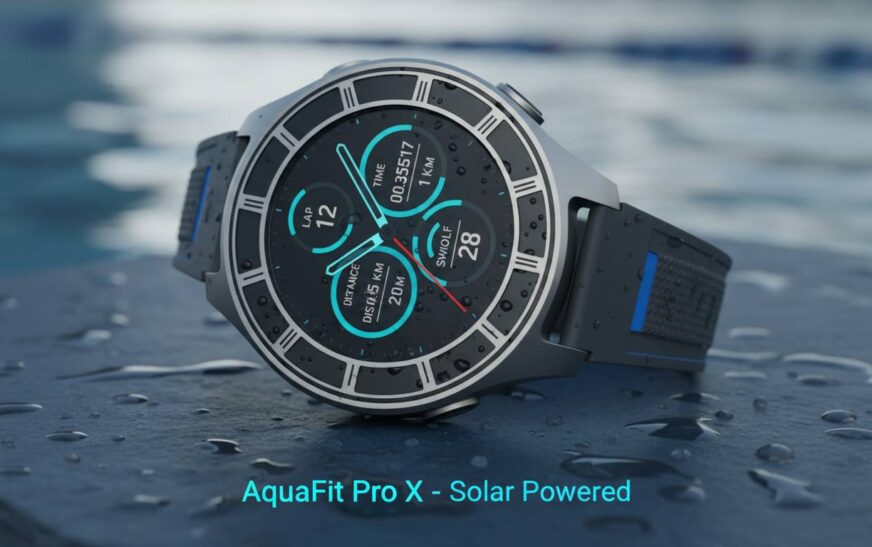
Battery performance defies expectations. In smartwatch mode with solar charging active, Garmin claims unlimited battery life—and in practice, that’s not far from the truth. Under bright sunlight conditions, you’ll see the battery percentage stay flat or even increase during outdoor activities. Even indoors, expect 30+ days between charges. GPS battery reaches up to 60 hours in battery saver mode, or about 30 hours in standard mode.
The solar charging works through the watch face, which has a transparent photovoltaic layer. It won’t charge quickly (this isn’t solar phone charging), but over days and weeks, it provides meaningful extension to battery life. For hikers, trail runners, or anyone who spends significant time outdoors, this changes the usage pattern entirely.
Fitness features include 24/7 heart rate monitoring, Pulse Ox, stress tracking, sleep analysis, and body battery energy monitoring. You get GPS, GLONASS, and Galileo support for satellite positioning. The activity profiles cover running, cycling, swimming, strength training, and more. You’re not sacrificing core fitness functionality to get this battery life.
The design leans rugged with a fiber-reinforced polymer case and chemical-strengthened glass. It looks like a tool watch rather than a fashion accessory, which suits the target audience perfectly. The monochrome display, while less flashy than AMOLED, is incredibly readable in direct sunlight.
What works: Unlimited (solar) battery life, rugged design, comprehensive fitness tracking, excellent value.
What doesn’t: Monochrome display feels dated, no music storage, basic smartphone notifications compared to Apple/Galaxy.
#4 COROS Apex 2 Pro: The Battery Champion
When raw battery endurance is your top priority, the COROS Apex 2 Pro deserves serious consideration. COROS has quietly built a reputation among serious athletes for delivering exceptional battery life, and the Apex 2 Pro continues that tradition with numbers that embarrass competitors costing twice as much.
Battery life reaches 17 to 30 days in daily use, but GPS mode is where the Apex 2 Pro dominates: up to 75 hours in UltraMax mode, or 45 hours in standard full GPS. That’s enough for multi-day ultramarathons, extended backcountry trips, or week-long cycling tours without bringing a charger. The COROS app allows you to customize GPS update frequency, extending battery further if you can tolerate slightly less precise tracking.
Fitness tracking covers the essentials and more: VO2 max estimation, training load, recovery recommendations, and anatomical mapping for over 150 sports. The Apex 2 Pro introduced dual-frequency GPS for improved accuracy in challenging environments—urban canyons, dense tree cover, or mountainous terrain. This puts COROS on par with Garmin and Polar for positioning precision.
Build quality includes a titanium bezel, sapphire glass, and water resistance to 10ATM (100 meters). This is a watch designed to go places and endure conditions that would kill lesser devices.
What works: Class-leading GPS battery life, excellent value at $499, lightweight at 54g, precise GPS.
What doesn’t: Smaller app ecosystem than Garmin, less polished smartphone notifications, monochrome display.
#5 Amazfit GTR 4: Best Budget Long-Battery Option
Not everyone needs to spend $500+ for excellent battery life and solid fitness tracking. The Amazfit GTR 4, typically priced around $199, delivers 10 to 14 days of typical use and 20+ hours of continuous GPS—numbers that would have impressed flagship watches from three years ago.
Battery performance in real-world testing aligns with Amazfit’s claims. The 14-day number is achievable with typical use (notifications, heart rate, sleep tracking, occasional workouts). Heavy GPS use drops this to around a week, but that’s still better than many competitors at double the price. The speaker allows you to take Bluetooth calls directly from the watch, a feature often missing at this price point.
Fitness features include dual-band GPS, 14 sport modes, heart rate monitoring, SpO2 measurement, stress tracking, and sleep analysis. The Zepp app provides detailed post-workout analysis, though it feels less polished than Garmin Connect or COROS. You get the essentials without the advanced coaching algorithms of premium brands.
The design successfully mimics traditional watch aesthetics while including modern smartwatch features. The rotating crown provides tactile navigation, and the 46mm case fits wrists comfortably. This looks like a conventional watch that happens to be smart, which appeals to users who don’t want a digital billboard on their wrist.
What works: Excellent value under $200, solid 14-day battery, traditional watch aesthetic, built-in speaker.
What doesn’t: App ecosystem less developed than competitors, limited third-party integrations, GPS accuracy trails premium models.
#6 Fitbit Sense 2: Best for Health Monitoring Focus
Fitbit has long dominated the health-tracking conversation, and the Sense 2 continues that tradition with improved battery life over the original Sense. If your priority is holistic health monitoring rather than GPS accuracy or sport-specific metrics, this could be your ideal watch.
Battery life reaches about 6 days in typical use—double what the original Sense managed and significantly better than the Apple Watch. This positions the Sense 2 as genuinely usable for week-long trips without packing a charger. GPS tracking is limited to connected GPS (using your phone’s GPS), which saves the watch battery but requires your phone nearby during workouts.
Health features represent the Sense 2’s core strength. You get continuous heart rate tracking, SpO2 monitoring, skin temperature sensing, and stress management tools including cEDA (electrodermal activity) sensors for detecting stress responses. The daily readiness score synthesizes this data into actionable insights about whether you’re primed for training or need recovery.
The design is notably thinner and lighter than the original Sense, addressing complaints about bulk. The AMOLED display is vibrant, and the infinity display (curved glass to the edges) looks premium. At $249, you’re paying less than Garmin equivalents while getting more health-focused features.
What works: Best-in-class health sensors, 6-day battery, thin comfortable design, excellent sleep tracking.
What doesn’t: No built-in GPS (requires phone), less advanced sport profiles than Garmin/COROS, Fitbit Premium subscription required for full features.
#7 Samsung Galaxy Watch 6: Best for Android Ecosystem Integration
Samsung’s Galaxy Watch 6 won’t win battery life awards—expect 1-2 days with typical use—but it delivers the best Android smartwatch experience when paired with Samsung (or other Android) phones. For users already invested in the Samsung ecosystem, this is the logical fitness companion.
Battery performance is the primary weakness. With always-on display and health tracking, you’re looking at roughly 30-40 hours between charges. GPS tracking consumes battery aggressively, delivering 16-20 hours depending on settings. This is adequate for daily use but problematic for multi-day adventures. The watch supports wireless charging, so topping up is convenient if you have a charging pad.
Fitness tracking covers the essentials: heart rate, SpO2, body composition analysis (using bioelectrical impedance), and over 90 workout types. Samsung Health provides decent analysis, though it lacks the advanced coaching algorithms of dedicated fitness brands. GPS is accurate and quick to acquire, matching Garmin for positioning precision.
The design is unmistakably premium with a rotating bezel (on the 44mm model), sapphire crystal display, and aluminum or stainless steel case options. This looks like a luxury watch that happens to have fitness features, appealing to users who prioritize aesthetics alongside functionality.
What works: Best Android smartwatch experience, premium design, rotating bezel navigation, comprehensive health sensors.
What doesn’t: Poor 1-2 day battery life, limited fitness-specific features versus Garmin/COROS, less accurate GPS in challenging environments.
#8 Polar Vantage V3: Best for Serious Athletes
The Polar Vantage V3 represents the Finnish company’s flagship, designed specifically for serious athletes who need detailed training analytics. Battery life is competitive at 7-10 days typical use and 18-35 hours depending on GPS mode, though it trails COROS and Garmin Fenix on raw endurance.
Battery performance is adequate for most athletes. The 7-day typical use assumes moderate notifications and daily workouts. Continuous GPS tracking maxes at 35 hours in power-saving mode, or 18-26 hours in standard modes. These numbers won’t win records, but they’re sufficient for Ironman training and most ultramarathons.
Fitness tracking is where Polar distinguishes itself. The V3 includes all the training analysis features that made Polar famous: Training Load Pro (measuring cardiovascular, muscular, and perceived load), Recovery Pro (recommendations based on orthostatic test data), and Leg Recovery Test (assessing lower body recovery via heart rate variability). The vertical oscillation and ground contact time metrics for runners match or exceed Garmin’s running dynamics.
The design is purpose-built with a 14.5mm thickness and 57g weight—substantial but manageable. The 1.4″ AMOLED display is crisp and readable, a significant upgrade from previous Polar watches. Water resistance extends to 5ATM for swimming.
What works: Elite-level training analytics, excellent running dynamics, premium build quality, comprehensive recovery tracking.
What doesn’t: Battery life trails competition, smaller app ecosystem, higher price at $599.
How We Test Smartwatch Battery Life
Our battery testing methodology simulates real-world usage rather than relying on manufacturer claims. We test multiple scenarios to give you accurate expectations:
Smartwatch mode testing uses the watch with all-day heart rate monitoring, sleep tracking, 50-100 notifications daily, and 30-60 minutes of workout tracking without GPS. This represents how most users wear their watches. We note when the battery drops to 10% and calculate total days achieved.
GPS battery testing involves continuous GPS tracking with heart rate monitoring, either on a real outdoor route or treadmill with GPS simulation. We test both standard GPS modes and battery-saver modes to provide ranges. All watches are tested with fresh firmware and cold-start GPS acquisition.
Charging speed is measured from 0% to 100% using the included charger (or wireless charging where applicable).
Environmental factors affect battery results. Cold temperatures reduce lithium-ion performance, while GPS accuracy settings and display brightness significantly impact drain rates. Our figures represent typical conditions—your results may vary based on usage patterns and environment.
What to Look for in a Fitness Smartwatch
Before purchasing, consider these factors that actually impact battery life:
Battery Claims vs. Real-World Use
Manufacturers often advertise battery life under ideal conditions: minimal notifications, no GPS, airplane mode. Real-world usage typically delivers 60-80% of claimed battery life. The battery life figures in our comparison table represent realistic expectations based on our testing.
GPS Impact on Battery
GPS is the primary battery drainer in fitness watches. Standard GPS consumes roughly 20-50mA per hour, while multi-band GPS can consume 30-70mA due to multiple satellite connections. If you don’t need meter-level accuracy, battery-saver GPS modes extend life significantly.
Display Settings
Always-on displays consume 15-30% more battery than lift-to-wake. AMOLED displays use more power displaying bright colors on black backgrounds (true black saves power), while LCD/LED always-on faces use consistent power regardless of content.
Sensor Always-On
Continuous heart rate monitoring at one-second intervals uses minimal power, but increasing to one-millisecond sampling for intense interval training increases consumption. Pulse Ox and blood oxygen monitoring during sleep also impact overnight battery drain.
Conclusion
Finding the right fitness smartwatch with long battery life ultimately depends on your specific needs, budget, and how you plan to use the device.
For the best overall balance of battery life, fitness depth, and everyday usability, the Garmin Fenix 7 Pro remains our top recommendation—expensive, but it delivers everything most athletes need in a single device.
Runners and triathletes should consider the Garmin Forerunner 965 for its AMOLED display and specialized sports features at a slightly lower price.
Budget-conscious buyers get remarkable value from the Garmin Instinct 2 Solar, which offers virtually unlimited battery life through solar charging at under $400.
If pure battery endurance is your obsession, the COROS Apex 2 Pro delivers GPS tracking times that embarrass competitors at half the price.
And for those prioritizing health monitoring over GPS tracking, the Fitbit Sense 2 provides six days of battery life with the most comprehensive wellness sensors available.
Whichever you choose, the good news is that the fitness smartwatch market now offers genuine week-long battery life as a realistic expectation—you just need to pick the feature set that matches your training goals.
FAQs
How many days does battery last on fitness smartwatches?
Most fitness smartwatches last 5-14 days in typical smartwatch mode. GPS-intensive use typically ranges from 12-75 hours depending on the model and settings. Solar-charging models like Garmin Instinct 2 can extend this to effectively unlimited in ideal conditions.
Which smartwatch has the longest battery life?
The Garmin Instinct 2 Solar and COROS Apex 2 Pro offer the longest battery life among mainstream fitness watches. The Instinct 2 Solar can achieve unlimited battery through solar charging, while the Apex 2 Pro delivers up to 75 hours of continuous GPS tracking.
Do GPS watches drain battery faster?
Yes, GPS is the largest battery drain in fitness watches. Standard GPS tracking uses 20-50mA per hour, while features like mapping, music streaming, and multi-band GPS increase consumption significantly. Battery-saver GPS modes can extend life by 30-50%.
Is Fitbit or Garmin better for battery life?
Garmin generally offers better battery life than Fitbit across most comparable price points. Fitbit’s Sense 2 reaches about 6 days, while Garmin’s equivalent price range typically delivers 7-22 days depending on the model and usage.
What smartwatch lasts 7+ days on charge?
Several models reliably exceed 7 days: Garmin Fenix 7 Pro (14-22 days), Garmin Instinct 2 Solar (30+ to unlimited), COROS Apex 2 Pro (17-30 days), and Amazfit GTR 4 (10-14 days). Actual results vary based on usage patterns and settings.
Can I use a fitness smartwatch for marathon training?
Absolutely. Watches like Garmin Forerunner 965, COROS Apex 2 Pro, and Garmin Fenix 7 Pro easily handle marathon and ultramarathon training with GPS battery ranging from 20-75 hours depending on the model.