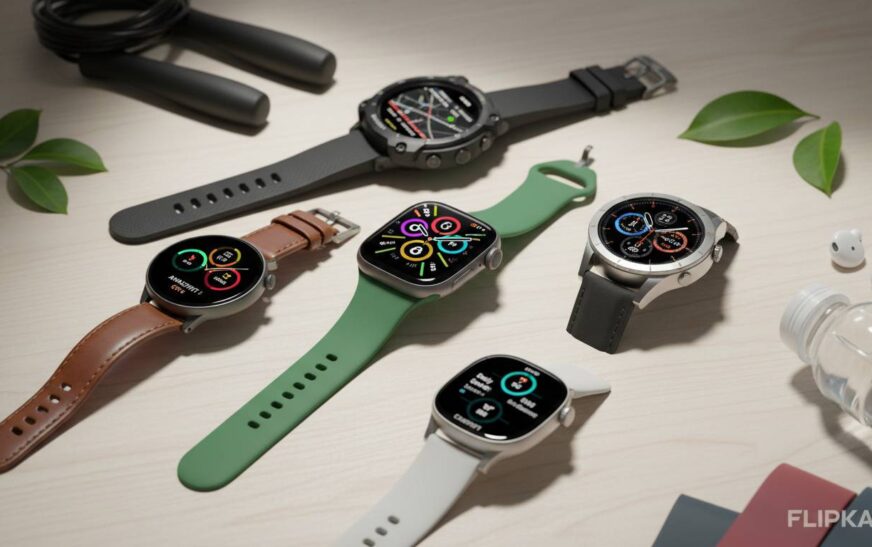

With dozens of options on Amazon ranging from under $100 to over $1,000, picking a fitness smartwatch can feel like a gamble. Some look impressive on paper but fall short in real use. Others cost half as much and do everything most people actually need.
After testing dozens of models across different price points, I’ve narrowed it down to the ones that actually deliver. Whether you’re a runner who needs reliable GPS, a swimmer who wants water resistance, or just want all-day health tracking without a premium price tag, there’s something here for you.
How We Tested
I wore each smartwatch for multiple weeks during running, cycling, swimming, strength training, and everyday life. Testing focused on what matters for fitness: heart rate accuracy compared to chest strap monitors, GPS lock-on speed and route precision, battery life under normal use, and the reliability of sleep tracking and step counting.
The companion app experience mattered too. Clunky software can ruin even great hardware. Each watch was paired with its native app and tested across multiple days to account for any learning curve or sync issues.
Apple Watch Series 10
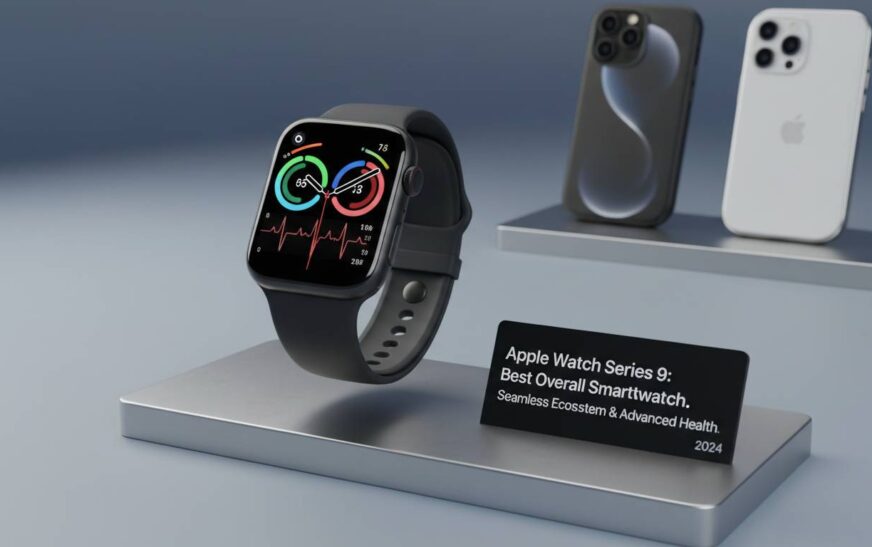
The Apple Watch Series 10 is the most versatile fitness smartwatch you can buy on Amazon. The latest model has a larger display, thinner profile, and improved sensors that make it a solid choice for fitness enthusiasts who also want a capable everyday smartwatch.
The new S10 chip keeps everything snappy. Fitness features include heart rate monitoring, ECG, blood oxygen sensing, and temperature tracking for cycle insights. The workout app now supports more activity types, from running and cycling to tennis and outdoor rowing.
The Apple ecosystem integration is the main differentiator. If you own an iPhone, the seamless handoff between devices, automatic workout detection, and health insights from the Health app create a cohesive experience. Sleep tracking has improved and now captures sleep stages with decent accuracy, though it’s not as detailed as what dedicated fitness brands offer.
Battery life is the weak spot. You’ll get roughly 18 hours, which means most users need to charge daily. This works fine for everyday wear but can be limiting if you want to track overnight sleep and then use the watch throughout the next day without a midday top-up.
At around $399 for the aluminum case, it’s not cheap, but you’re getting a premium device that handles both fitness tracking and smartwatch duties well. The GPS-only model saves you $100 if you don’t need cellular.
Garmin Forerunner 965
For runners and triathletes who want dedicated performance tracking, the Garmin Forerunner 965 is a top choice. Unlike general-purpose smartwatches that happen to include fitness features, this was built for athletes who take training seriously.
The Forerunner 965 has a 1.4-inch AMOLED display in a lightweight titanium case. GPS performance is excellent—it supports multi-band GPS and locks on quickly, maintaining accuracy in dense urban areas or under tree cover. Battery life is remarkable: up to 23 days in smartwatch mode and 31 hours in GPS mode. You can track a marathon and still have battery left for the drive home.
The training readiness score is genuinely useful. By analyzing sleep, recovery, HRV, and recent training load, Garmin gives you a daily recommendation on whether to push hard or take it easy. This takes the guesswork out of planning workouts and helps prevent overtraining. Body Battery similarly aggregates multiple data points to show your energy levels throughout the day.
Running dynamics are comprehensive: vertical oscillation, ground contact time, cadence, and stride length are all measured from the wrist. A chest strap provides more precision for serious analysis, but the wrist-based metrics are accurate enough for most runners to identify trends and make adjustments.
At $599, it’s an investment. But for anyone training for races or wanting the most detailed fitness insights available, the price matches the capabilities.
Garmin Forerunner 265
Not everyone needs top-tier performance. The Garmin Forerunner 265 delivers most of what the 965 offers at a lower price, making it the best value for runners who want serious training features without the premium cost.
The 265 brings Garmin’s color AMOLED display to the Forerunner line, a significant upgrade from older models. The interface is bright and easy to read in direct sunlight, and the touchscreen works well alongside the button controls athletes often prefer during workouts.
Training readiness and Body Battery features from the premium models are included here, giving you the same smart coaching insights. GPS accuracy matches the higher-end models, and battery life is solid: up to 15 days in smartwatch mode or 24 hours in GPS mode. That’s enough for a week of training without charging.
The 265 covers the essentials well: heart rate variability, blood oxygen, stress tracking, sleep analysis, and recovery recommendations. It lacks some advanced features like the 965’s titanium case and extended battery, but the core fitness tracking experience is nearly identical.
At around $449, the Forerunner 265 strikes an excellent balance between capability and cost.
Fitbit Charge 6
The Fitbit Charge 6 sits between dedicated fitness trackers and full-fledged smartwatches. If you want comprehensive health tracking without the bulk or expense of a traditional smartwatch, this fits the bill.
The Charge 6 is compact and comfortable enough to wear 24/7, which is essential for the continuous health monitoring Fitbit does well. Heart rate tracking is accurate, sleep staging is detailed with REM, light, and deep sleep identification, and the daily readiness score helps you understand whether your body is primed for exercise or needs recovery. Google integration brings YouTube Music controls and Google Maps navigation to the wrist, adding smartwatch functionality previous Charge models lacked.
Battery life is a real strength. You’ll get about seven days on a single charge, meaning you can track sleep every night without worrying about recharging. That’s a significant advantage over Apple Watch and Samsung devices that need daily charging.
The downsides are the limited app ecosystem and smaller display. You won’t respond to messages from the watch or run complex apps. But if your priority is fitness tracking with enough smartwatch features to be useful, the Charge 6 excels. At $159, it’s the most affordable option on this list.
Samsung Galaxy Watch 7
Android users who want a fitness smartwatch with full smartphone integration should consider the Samsung Galaxy Watch 7. Samsung has refined its smartwatch formula over multiple generations, resulting in a polished device that works exceptionally well with Android phones.
The BioActive sensor array provides heart rate, blood oxygen, ECG, and body composition measurements. Samsung’s sleep tracking has improved substantially—sleep stages, blood oxygen monitoring throughout the night, and a sleep consistency score encourage better sleep habits. The Energy Score combines sleep quality, activity levels, and recovery data into a single daily metric.
The rotating bezel on the 44mm model provides intuitive navigation many users prefer over pure touchscreen interfaces. The Super AMOLED display is vivid and easy to read in any lighting.
Battery life is similar to Apple Watch—around a day and a half before needing a charge. Wireless charging is convenient, but overnight charging is necessary if you want sleep tracking.
At $329, the Galaxy Watch 7 costs about the same as Apple Watch Series 10 but offers more features out of the box for Android users, including Samsung Wallet and robust notification management.
Whoop 4.0
Whoop takes a different approach. Rather than a smartwatch with fitness features, the Whoop 4.0 focuses exclusively on strain, recovery, and sleep optimization. It has no real display—just a small indicator light and haptic feedback. You interact with it entirely through your phone.
This focused approach appeals to athletes who want deep insights without distractions. Whoop measures heart rate variability, resting heart rate, skin temperature, and blood oxygen continuously. Strain Coach tells you during a workout when you’ve reached your target strain level, helping you train more precisely. The recovery score each morning tells you whether your body is ready for high-intensity work or should focus on active recovery.
The subscription model matters. The Whoop hardware costs $239, but you need a $239 annual membership ($19.92/month) to access the app and insights. That’s significantly higher ongoing cost than other options, and it’s worth factoring into your decision.
The lack of built-in GPS means you need your phone for route tracking. But if you’re interested in physiological data and training recommendations rather than smartwatch features, Whoop delivers insights that more conventional devices don’t match.
Apple Watch SE (2nd Gen)
The Apple Watch SE offers the core Apple Watch experience at a lower price. At $249, it’s the most affordable way into the Apple Watch ecosystem, and for fitness purposes, it covers nearly everything the Series 10 does.
You get heart rate monitoring, workout tracking, sleep stages, fall detection, and crash detection. The main differences from the Series 10 are the older processor (slightly slower app launches), lack of blood oxygen and ECG sensors, and slightly thicker bezels. For fitness tracking specifically, these matter less than you might expect.
The SE still tracks workouts comprehensively, provides accurate heart rate data, and integrates with the Fitness app on your iPhone. If you’re in the Apple ecosystem and want reliable fitness tracking without paying for always-on display or the latest sensors, the SE delivers excellent value.
Fitness Smartwatch Comparison
| Model | Price | Battery Life | GPS | Heart Rate | Sleep Tracking | Best For |
|---|---|---|---|---|---|---|
| Apple Watch Series 10 | $399 | 18 hours | Built-in | Yes | Yes | All-around |
| Garmin Forerunner 965 | $599 | 23 days | Built-in | Yes | Yes | Serious athletes |
| Garmin Forerunner 265 | $449 | 15 days | Built-in | Yes | Yes | Runners |
| Fitbit Charge 6 | $159 | 7 days | Phone GPS | Yes | Yes | Budget-conscious |
| Samsung Galaxy Watch 7 | $329 | ~1.5 days | Built-in | Yes | Yes | Android users |
| Whoop 4.0 | $239+ | 5 days | Phone GPS | Yes | Yes | Data-focused |
| Apple Watch SE | $249 | 18 hours | Built-in | Yes | Yes | Budget Apple |
How to Choose the Right Fitness Smartwatch
Picking the best fitness smartwatch comes down to understanding your priorities and how you actually plan to use the device. The most expensive option isn’t necessarily the best, and sometimes priciest features go unused.
Consider your primary activities first. Runners and cyclists need built-in GPS to track routes without carrying a phone. Swimmers need water resistance rated at least 5ATM. Weightlifters might care more about heart rate zones and recovery tracking than GPS accuracy. Understanding your main use case helps narrow the field quickly.
Battery life matters more than most people expect. A watch that needs daily charging makes sleep tracking inconvenient. If you want to monitor overnight sleep and then use the watch all next day, look for models with at least two days of battery life, or be prepared to charge during short periods like your morning shower.
The ecosystem factor is real. Apple Watch only works well with iPhones, and Samsung’s best features require a Samsung phone. Garmin and Fitbit work with both iOS and Android, though Fitbit’s premium features increasingly require a Fitbit Premium subscription. If you might switch phone platforms in the future, choosing a brand with broader compatibility provides flexibility.
Finally, think about whether you want a full smartwatch or a fitness-focused device. Apple Watch and Galaxy Watch handle notifications, apps, and mobile payments alongside fitness tracking. Devices like the Forerunner or Whoop prioritize training data and might feel limited if you want to respond to texts from your wrist.
Conclusion
The best fitness smartwatch for you depends on your specific needs, budget, and ecosystem. The Apple Watch Series 10 remains the top recommendation for most people because it excels at both fitness tracking and everyday smartwatch functionality in a polished package. Android users will be happiest with the Samsung Galaxy Watch 7, which offers similar versatility within the Android ecosystem.
Serious runners and athletes should look at the Garmin Forerunner 965 or Forerunner 265, both of which provide training insights that go beyond what general-purpose smartwatches offer. The Fitbit Charge 6 is the best choice for anyone prioritizing health tracking on a budget, while the Whoop 4.0 appeals to data-driven athletes who want deep physiological insights and don’t mind the subscription cost.
Whatever you choose, make sure you’re actually going to wear it. The real value comes from longitudinal data tracking your progress over weeks and months, not from having the most features on paper.
FAQs
Which fitness smartwatch has the best battery life?
Garmin devices consistently offer the best battery life. The Forerunner 965 can last up to 23 days in smartwatch mode, while even the Forerunner 265 delivers 15 days. Apple Watch and Samsung Galaxy Watch typically need daily or every-other-day charging.
Do I need GPS in my fitness smartwatch?
If you want to track running, cycling, or hiking routes without carrying your phone, built-in GPS is essential. Some fitness trackers like the Fitbit Charge 6 can use your phone’s GPS, but that means you can’t leave your phone behind during workouts.
Are cheaper fitness trackers worth buying?
Budget options like the Fitbit Charge 6 and Apple Watch SE deliver excellent core fitness tracking for a fraction of the premium prices. You sacrifice some advanced features, but heart rate monitoring, sleep tracking, and workout GPS are all solid at lower price points.
Can I swim with any of these smartwatches?
Most modern fitness smartwatches are water-resistant to 5ATM, meaning they’re suitable for swimming in pools. Apple Watch, Galaxy Watch, Garmin Forerunner, and Fitbit Charge all handle pool workouts well. Salt water and hot tubs can cause damage even on water-resistant devices.
Is a fitness smartwatch worth it if I just want to track steps?
A dedicated fitness tracker like the Fitbit Charge 6 offers step counting and basic health tracking at a lower price than full smartwatches. If you don’t need notifications, apps, or advanced workout metrics, a simpler device might serve you better and cost less.
How accurate is sleep tracking on fitness smartwatches?
Sleep tracking has improved significantly across all major brands. Fitbit, Garmin, Apple, and Samsung can identify sleep stages with reasonable accuracy, though they’re not as precise as clinical sleep studies. They’re reliable for understanding general sleep patterns and identifying trends over time.