
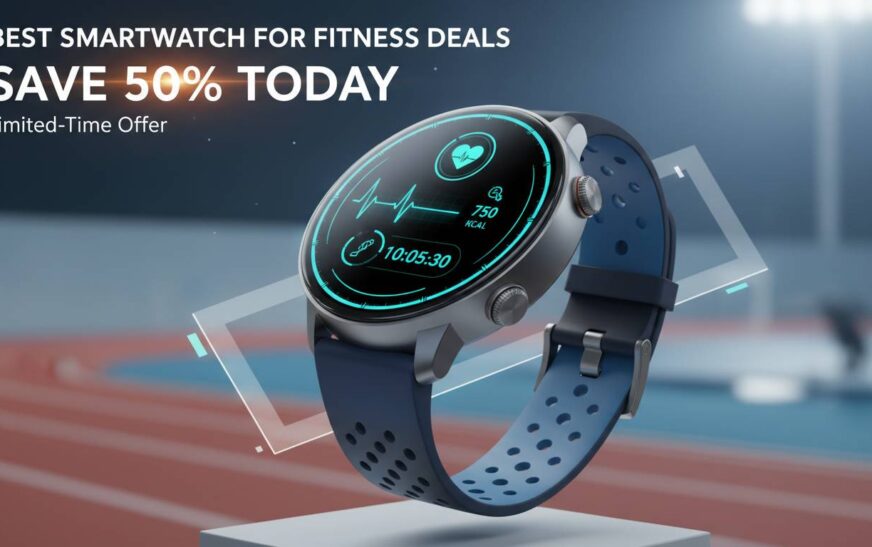
Looking for a solid fitness smartwatch without spending a fortune? Here’s the honest breakdown.
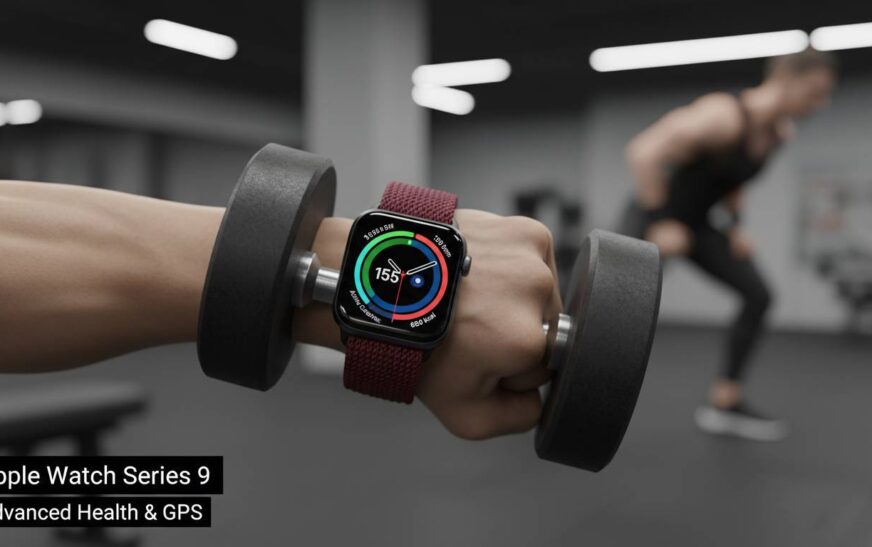
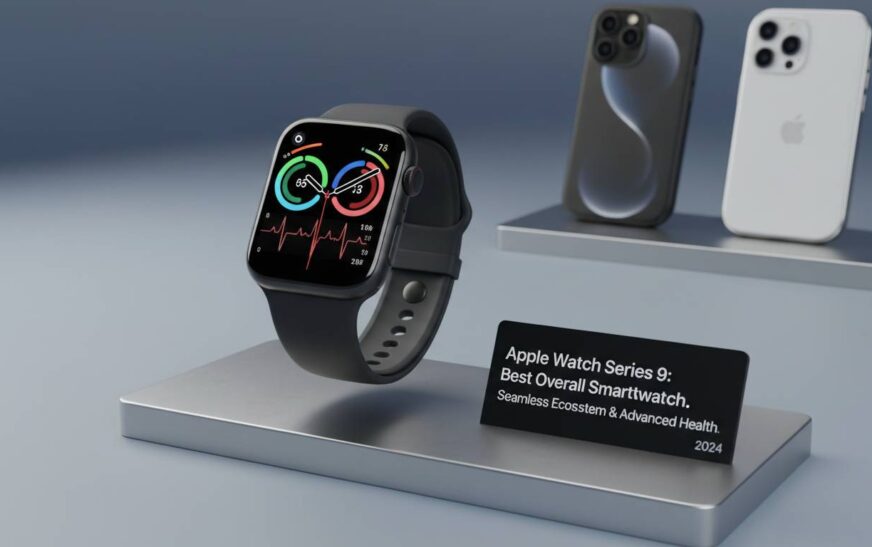
Apple Watch Series 9 is our top pick overall—good health tracking, easy to use, and sales drop it to around $300 fairly often. Fitbit Charge 6 is the move if you want basics without the premium price tag, usually sitting around $120-$140. And if you’re serious about running, Garmin Forerunner 265 has the metrics that’ll actually help you improve.
Our Top Picks at a Glance
There’s a lot out there. Dozens of devices, new ones launching constantly, prices all over the map. I’ve tested a bunch of these myself, and here’s what actually matters:
Most people are happy in the $150-$400 range. You get solid health tracking without paying for features you’ll never use. The trick? Waiting for sales. These things go on discount constantly—Black Friday, Prime Day, random Tuesdays.
Best Overall Fitness Smartwatch: Apple Watch Series 9
The Series 9 is the safe bet. It’s not the cheapest, and it won’t have the most specialized features, but it does everything well and plays nice with other Apple stuff.
Health tracking covers the basics: heart rate, blood oxygen, ECG, sleep, skin temp for cycle tracking. The Fitness app gives you daily summaries and long-term trends. The double-tap gesture is actually useful when you’re mid-workout and don’t want to fiddle with the screen.
Battery life is the weak spot. You’ll charge it every day or two. The 36-hour low-power mode helps if you forget, but it’s not winning any awards here.
The Apple Watch Series 9 works well for most people. The ecosystem integration makes it useful beyond fitness, which is why it keeps showing up on recommendation lists. — Consensus from major tech publications
Current pricing: $299-$399 depending on cellular, down from $399-$799. Not bad for what you get.
Best Budget Fitness Watch: Fitbit Charge 6
Sometimes you don’t need a tiny computer on your wrist. The Charge 6 does fitness tracking right without the smartwatch markup.
$160 retail, often $120-$140 on sale. You get AMOLED, built-in GPS, sleep tracking that Fitbit’s been refining for years, and about a week of battery life. The Google integration (YouTube Music, Maps) is a nice bonus that previous models didn’t have.
Trade-offs: no apps, no cellular, small screen. But honestly? Most people don’t need either. If you want step counts, workout tracking, and sleep data without the fuss, this hits the mark.
Best Premium Fitness Smartwatch: Apple Watch Ultra 2
This is the tank of the Apple lineup. Titanium case, massive 49mm display, battery that actually lasts—36 hours normal, 72 in low-power mode.
It’s built for athletes who do more than jog around the block. Auto rep counting for weights, custom triathlon workouts, dual-frequency GPS that actually works in tricky terrain. The action buttons are handy when your hands are occupied.
At $799, it’s expensive. But $100-$150 off brings it into “okay, maybe” territory for serious athletes who want one device for everything.
Best Fitness Smartwatch for Runners: Garmin Forerunner 265
Garmin’s the go-to for runners who take it seriously, and the 265 continues that streak. Daily suggested workouts, recovery time, training readiness scores—the kind of data that helps you actually get faster.
First Forerunner with AMOLED, which looks great. Multi-band GPS for accuracy. Thirteen days of battery in watch mode. Morning report tells you what to do today based on how recovered you are.
At $500, it’s an investment. But for runners tracking pace, distance, VO2 max, and all those metrics that matter—it’s worth it. Look for bundles with heart rate straps to save a bit.
Best Fitness Smartwatch for Swimmers: Garmin Swim 2
Swimming is hard to track well. The Swim 2 handles it: strokes, SWOLF score (efficiency), distance, pace, rest intervals—all automatically.
5 ATM water rating means it’s fine for swimming, showering, light snorkeling. Outside the pool, it’s a regular fitness tracker. Battery is solid: 7 days normally, 13 hours with GPS.
$299 gets you accuracy that generic trackers can’t match for swim workouts. If you spend a lot of time in the pool, this makes sense.
Best Android Fitness Smartwatch: Samsung Galaxy Watch 6
Android users don’t have to settle. The Galaxy Watch 6 is the best option for most.
Health tracking includes body composition, blood pressure (region-dependent), ECG, irregular heart rhythm alerts. The rotating bezel is genuinely useful for navigating during workouts—no swiping through sweat.
$299-$399, regularly discounted. Samsung Health does workout tracking well, and it pairs nicely with Samsung phones.
Best Fitness Smartwatch for Strength Training: Whoop 4.0
This one works differently. Instead of counting reps, Whoop measures strain and recovery. It tells you how hard you pushed and whether you’re ready to push again tomorrow.
The strain score quantifies workout intensity. Recovery data combines HRV, sleep, and other factors. Strength Trainer does auto-detect reps for common exercises.
The catch: $239/year subscription. That’s ongoing money. But for serious lifters tracking training load, the insights can be worth it. It looks more like a fitness band than a smartwatch, which some people prefer.
Key Features to Look for in a Fitness Smartwatch
Here’s what actually matters when you’re buying:
Heart Rate Monitoring: Optical sensors are standard now, but accuracy varies. Multiple sensors and green LEDs help during high-intensity stuff. Chest straps are more accurate if you’re training seriously.
GPS Tracking: Built-in GPS means leaving your phone behind. Multi-band GPS (premium models) is better in cities or forests. Indoor workouts? Not needed.
Battery Life: Smartwatches: 1-2 days. Fitness bands: about a week. Some have extended modes that turn off features.
Water Resistance: Check the ATM rating. 5 ATM = swimming and showering. Diving needs more.
App Ecosystem: The app matters. Apple Fitness+, Garmin Connect, Fitbit app, Samsung Health—pick one that works with what you already have.
How to Find the Best Deals on Fitness Smartwatches
You can save real money if you’re patient:
Holiday Sales: Black Friday, Cyber Monday, Prime Day, Presidents Day, Memorial Day. These are your best bets for 20-40% off.
Refurbished: Apple Certified Refurbished has full warranties. Amazon Warehouse has open-box deals. 20-40% savings, low risk.
Last-Gen Models: New release drops prices on the previous version. Series 8 is still good at lower prices. You lose little.
Carrier Deals: Sometimes cellular models come cheap with new contracts. Worth checking if you’re already on the market.
Price Tracking: CamelCamelCamel for Amazon. Set alerts, wait for historical lows.
What to Consider Before Buying
Think about your situation:
Ecosystem: Stick with what you already have. Apple works best with Apple, Samsung with Samsung. Cross-platform works but with compromises.
Your Activity: Runner? Garmin. Swimmer? Garmin Swim 2. Casual gym-goer? Fitbit or Apple. Match the watch to what you actually do.
Wrist Size: Some are chunky. Try before buying or check dimensions carefully. Uncomfortable watches end up in drawers.
Long-Term Costs: Subscriptions add up. Whoop is yearly. Some premium features need ongoing payments.
Conclusion
Apple Watch Series 9 is the best all-rounder. Fitbit Charge 6 is the budget winner. Garmin for athletes who need the data. Samsung for Android users who want it all.
Sales are common. 30-50% off happens if you wait for the right moment. Previous-generation models are still great and cost less.
Focus on what you’ll actually use. Ignore the rest. That’s how you get value without wasting money.
FAQs
What’s the best fitness smartwatch under $200?
Fitbit Charge 6. Built-in GPS, good tracking, usually around $120-$140 on sale.
How much can I save during sales?
20-40% is typical.偶尔 deeper on older models or refurbished units.
Do I need cellular?
Probably not. GPS-only works fine for most workouts. Cellular adds cost and a data plan.
Longest battery life?
Fitbit Charge 6 lasts about a week. Garmin Forerunner 265 goes 13 days. Apple Watch: daily or every other day.
Is last year’s model worth it?
Usually. Fitness features don’t change much between generations. You save money, lose little.