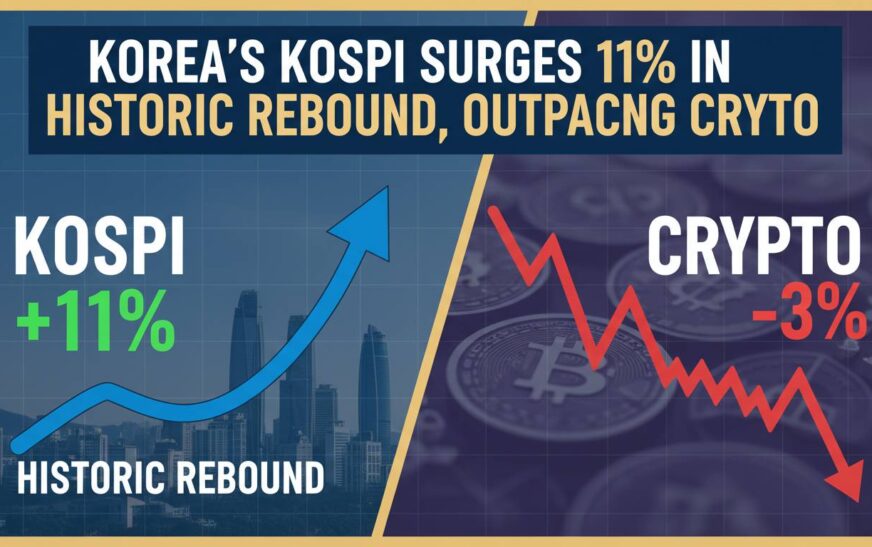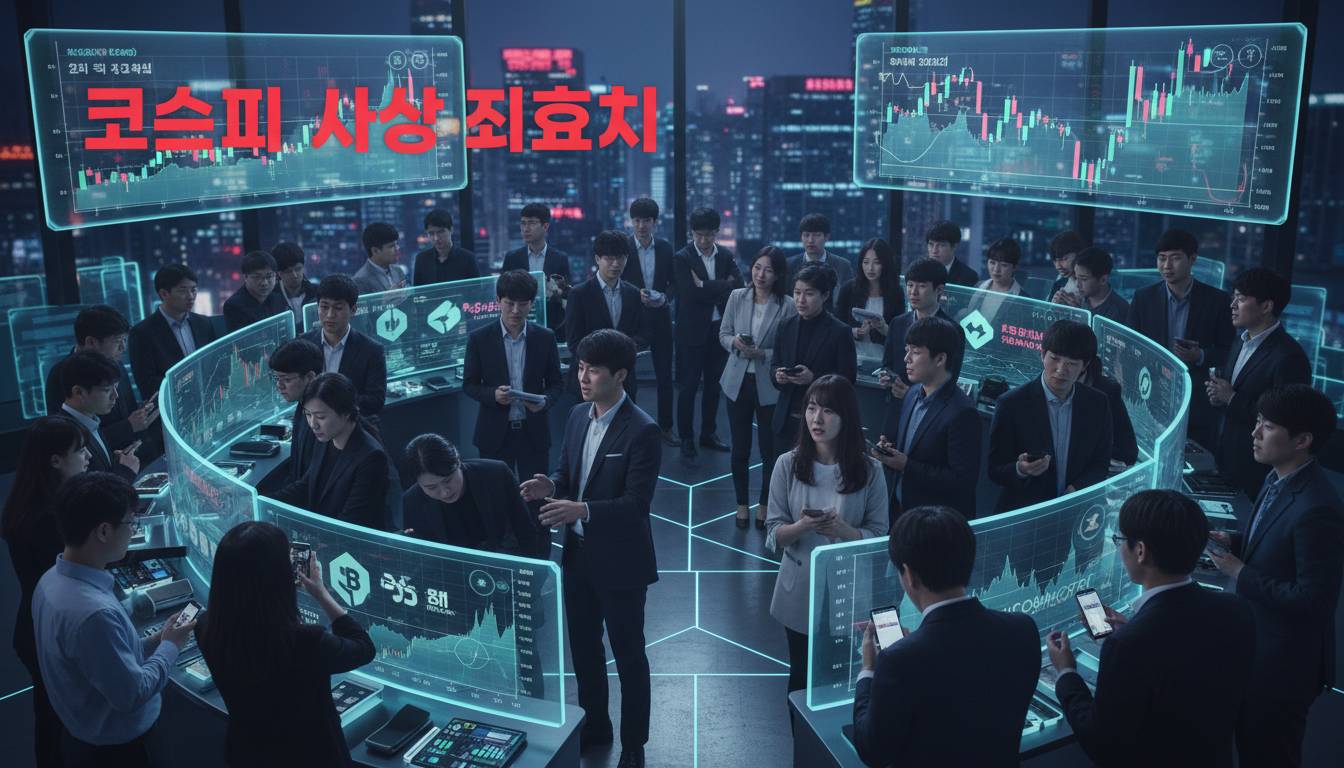


South Korea’s KOSPI index staged a dramatic comeback on March 5, 2026, soaring over 11% in a single session—one of its most remarkable reversals ever. This rebound follows the index’s steepest one-day drop in history just a day earlier, and it has significantly outpaced gains in the cryptocurrency market. The surge reflects renewed investor confidence amid easing geopolitical tensions and stabilizing oil prices.
A Historic Rebound for KOSPI
On March 4, the KOSPI plunged 12.06%, marking its largest single-day decline ever—surpassing the previous record of a 12.02% drop following the 9/11 attacks . The crash was triggered by heightened Middle East tensions, including U.S.–Israeli airstrikes on Iran and a blockade of the Strait of Hormuz, which rattled global markets and exposed South Korea’s vulnerability due to its heavy reliance on Middle Eastern energy .
The very next day, the KOSPI rebounded sharply, gaining more than 11%—a stunning turnaround that ranks among the most dramatic in its history . Foreign investors returned as net buyers, injecting over 710 billion won by mid-morning, while retail investors added another 600 billion won .
What Drove the Rebound?
Several factors contributed to the rapid recovery:
- Oil prices stabilized, with Brent crude holding at $81.40 and WTI at $74.66.
- Reports of back-channel diplomatic contacts between Washington and Tehran improved market sentiment across Asia .
- The partial rebound of the Korean won—from 1,505 to around 1,461 per dollar—dampened currency-driven volatility and reduced the appeal of crypto as a hedge .
These developments helped restore investor confidence in equities, particularly in a market as sensitive to external shocks as South Korea’s.
KOSPI vs. Crypto: Diverging Paths
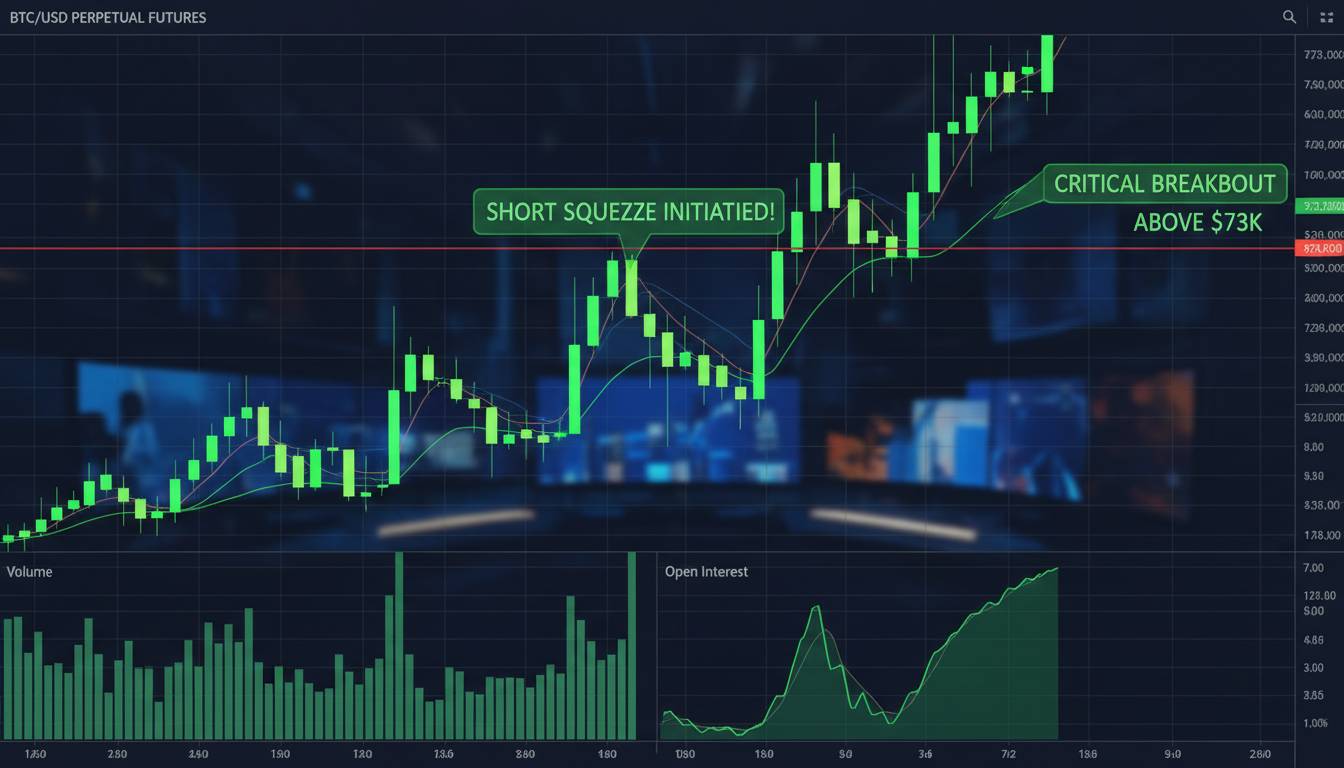
While the KOSPI surged, the cryptocurrency market lagged behind. Bitcoin rose approximately 6.4% in U.S. dollar terms, but only about 5% in Korean won terms—its gains partially absorbed by the won’s recovery . This divergence underscores the renewed gravitational pull of equities over digital assets in times of volatility.
Moreover, crypto trading volumes in South Korea had already been on a downward trajectory. During the KOSPI’s extended rally in 2025, crypto volumes dropped by over 80% . Retail investors, once fervent participants in crypto markets, have increasingly shifted toward equities—particularly semiconductor stocks—driven by AI-led optimism and stronger fundamentals .
Broader Market Context
The KOSPI’s rebound comes amid a broader rally. As of early March 2026, the index had risen nearly 50% year-to-date, reaching and surpassing the 6,000-point milestone . This rally has been fueled by strong demand for AI-related technologies, government reforms, and robust performance from major exporters like Samsung Electronics, which recently crossed a $1 trillion market capitalization .
Implications for Stakeholders
Investors
- Equity investors benefit from renewed momentum, especially in AI and semiconductor sectors.
- Crypto investors may face headwinds as capital rotates back into traditional markets.
Policymakers
- The swift rebound highlights the importance of geopolitical stability and energy security.
- Continued reforms to support shareholder value and market resilience could sustain investor confidence.
Global Markets
- South Korea’s market volatility underscores the interconnectedness of global geopolitics and financial markets.
- The KOSPI’s rebound may attract international capital seeking high-growth emerging markets.
Looking Ahead
Analysts remain cautiously optimistic. Mirae Asset has set a near-term KOSPI target of 5,800, while Kiwoom Securities suggests the two-day selloff may have already priced in much of the geopolitical risk premium . However, sustained gains will depend on continued easing of Middle East tensions and stable energy markets.
If geopolitical risks subside, equities may continue to outperform crypto in the near term. But should tensions flare again, volatility could return—potentially reigniting interest in digital assets as alternative hedges.
Conclusion
South Korea’s KOSPI delivered a historic rebound—surging over 11% in a single session after its worst-ever one-day loss. This dramatic recovery, driven by easing geopolitical tensions and stabilizing oil prices, has outpaced gains in the cryptocurrency market and reaffirmed equities as the dominant investment vehicle for Korean retail and institutional investors. As the market looks ahead, stability in global energy and diplomatic developments will be key to sustaining this momentum.
Frequently Asked Questions
What triggered the KOSPI’s historic drop and rebound?
The KOSPI fell 12.06% on March 4 due to heightened Middle East tensions and fears over energy supply disruptions. It rebounded over 11% the next day as oil prices stabilized and diplomatic signals improved .
How did cryptocurrency markets perform during the rebound?
Bitcoin rose around 6.4% in U.S. dollar terms but only about 5% in Korean won terms, as the won’s recovery absorbed part of the gain .
Why are investors shifting from crypto to equities?
Crypto trading volumes in South Korea have declined sharply, and investors are increasingly drawn to equities—especially AI and semiconductor stocks—due to stronger fundamentals and market reforms .
What are analysts’ outlooks for the KOSPI?
Mirae Asset targets a near-term level of 5,800, while Kiwoom Securities believes much of the geopolitical risk premium has already been priced in .
What could influence future market direction?
Key factors include geopolitical developments in the Middle East, energy price stability, and continued domestic reforms to support investor confidence.
Is this rebound sustainable?
If geopolitical tensions ease and energy markets remain stable, the rebound could hold. However, renewed instability could trigger further volatility and potentially shift investor interest back toward crypto.