
Choosing the right smartwatch for fitness tracking can feel overwhelming with dozens of options hitting the market each year. Whether you’re a marathon runner, a gym enthusiast, or someone simply looking to move more, the right device can change how you track your health. This guide compares the top fitness-focused smartwatches based on real-world testing, health tracking accuracy, battery life, and value.
How We Tested These Smartwatches
Our testing combines laboratory measurements with real-world usage across multiple fitness activities. Each smartwatch undergoes at least two weeks of daily wear, including workouts from casual walks to intense interval training sessions.
We test heart rate accuracy by comparing readings against chest strap monitors during various intensity levels. GPS tracking gets checked on known distances to verify route accuracy. Battery life is measured under consistent conditions, including always-on display usage and GPS tracking sessions. Sleep tracking results are compared against our testers’ established sleep patterns and professional sleep lab data when available.
The fitness metrics we focus on include step counting precision, calorie burn estimation accuracy, VO2 max readings, and recovery recommendations. We also consider how intuitive each device’s companion app is for analyzing workout data over time.
Quick Comparison Table
| Model | Starting Price | Battery Life | GPS | Water Resistance | Health Sensors |
|---|---|---|---|---|---|
| Apple Watch Series 9 | $399 | 18 hours | Yes | 50m | HR, SpO2, Temp |
| Garmin Forerunner 965 | $599 | 23 days | Yes | 5ATM | HR, Pulse Ox |
| Samsung Galaxy Watch 6 | $299 | 40 hours | Yes | IP68 | HR, BioActive |
| Fitbit Sense 2 | $249 | 6+ days | Yes | 5ATM | HR, SpO2, EDA |
| Garmin Instinct 2 | $349 | 28 days | Yes | 10ATM | HR, Pulse Ox |
| Apple Watch Ultra 2 | $799 | 36 hours | Yes | 100m | HR, SpO2, Temp |
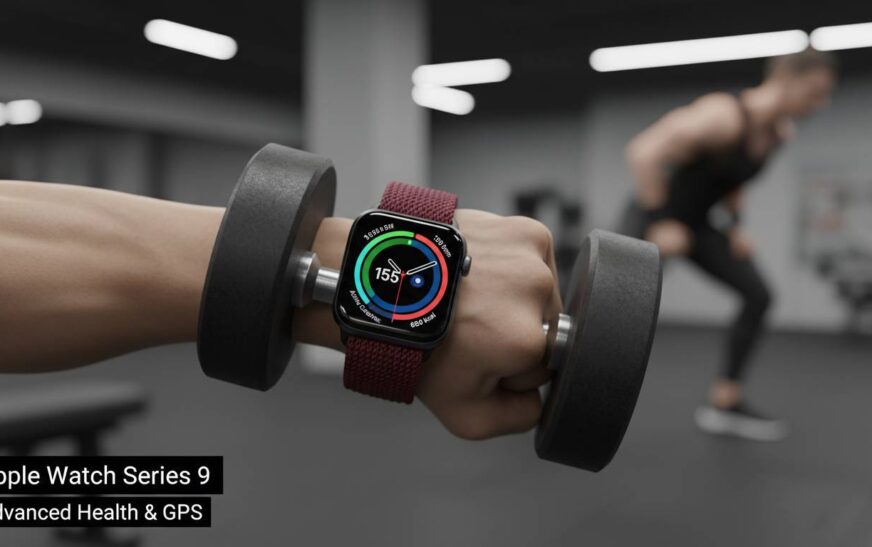
Best Overall: Apple Watch Series 9
The Apple Watch Series 9 balances comprehensive fitness tracking with everyday smartwatch functionality, making it our top pick for most people.
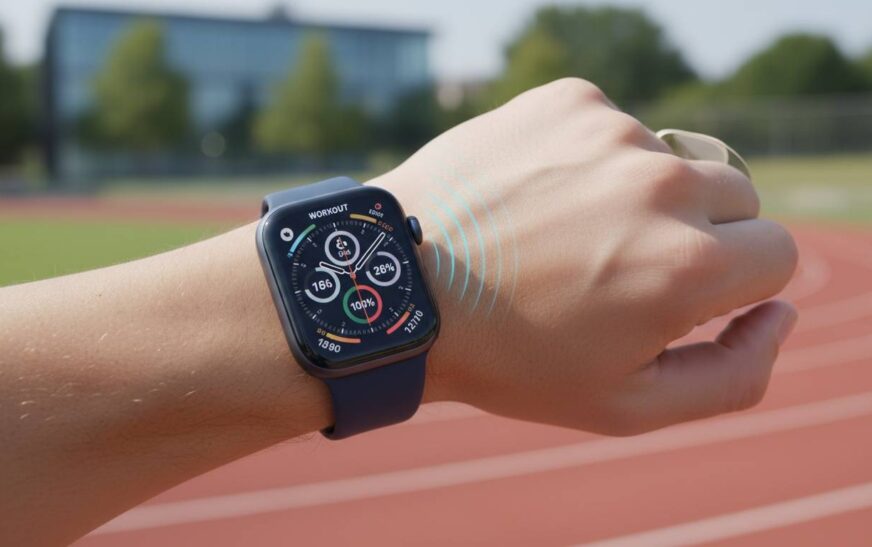
The S9 SiP processor enables on-device Siri processing and a brighter display that reaches 2000 nits, making it easily readable in direct sunlight during outdoor workouts. Health sensors include an optical heart rate sensor, blood oxygen sensor, and temperature sensor for cycle tracking. The double-tap gesture feature introduced with this generation makes it easier to interact with the watch mid-workout without breaking your stride.
Fitness features go beyond basic tracking. The Precision Finding for iPhone proves useful when you’ve stashed your phone during an outdoor workout. Crash Detection and Fall Detection add safety layers for vigorous activities. The Workout app offers advanced metrics including custom heart rate zones, stride length, and ground contact time for runners.
Battery life is the main compromise. You’ll need to charge daily with typical use, though battery saver mode can extend this for ultra-marathoners. The always-on display drains the battery faster but proves invaluable during gym sessions when you don’t want to fumble with gestures to check your stats.
Pros:
- Seamless integration with iOS ecosystem
- Largest app selection for fitness and health
- On-device Siri processing works without phone
- Bright, readable display in all conditions
Cons:
- Requires daily charging
- Limited compatibility with Android devices
- Premium price for full feature set
- Skin temperature tracking requires consistent wear
Best for Running: Garmin Forerunner 965
Garmin has long led the running watch category, and the Forerunner 965 includes features designed for serious runners.
The lightweight titanium bezel case weighs just 53 grams, barely noticeable during long runs. The AMOLED display offers crisp visibility in all lighting conditions, a significant upgrade from previous Forerunner models. Multi-band GPS with SatIQ technology provides accurate tracking even in challenging environments like dense urban areas or forests.
Training readiness scores combine sleep, recovery, HRV status, and acute load to tell you whether you’re primed for a hard workout or should take it easy. The climatization feature helps runners adjust to heat and altitude over time. Race predictor and recovery advisor use your historical data to optimize training plans.
Battery life reaches up to 23 days in smartwatch mode and 31 hours in GPS mode, enough for 100-mile ultramarathons without concern. The music storage and contactless payment features mean you can leave your phone behind entirely for most runs.
Pros:
- Exceptional GPS accuracy with multi-band support
- Advanced training metrics and recovery insights
- Lightweight design comfortable for long distances
- Excellent battery life for endurance events
Cons:
- Higher price point than consumer-focused alternatives
- Steeper learning curve for all features
- Less polished general smartwatch features
- Larger case may feel bulky on smaller wrists
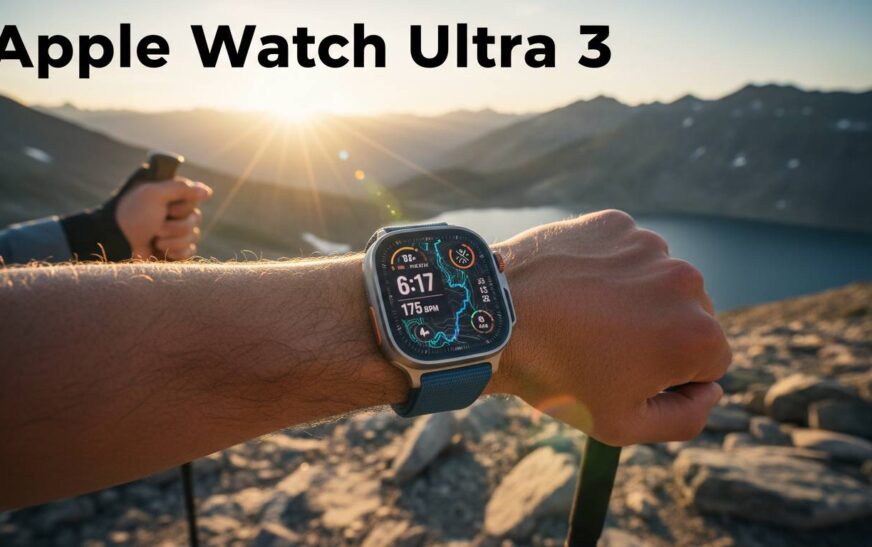
Best for Swimming: Apple Watch Ultra 2
The Apple Watch Ultra 2 works well for swimmers thanks to its WR100 water resistance rating and dedicated swimming features.
The larger 49mm case accommodates a display optimized for readability underwater, with a brightness of 3000 nits that cuts through pool lighting. The Depth app automatically launches when you submerge, showing current depth, dive time, and maximum depth reached. The water temperature sensor displays readings throughout your swim.
Swim workout tracking includes lap counting, distance, strokes, and SWOLF efficiency scores. Open water swims get GPS tracking that compensates for the limitations of standard GPS underwater. The Action button can be programmed to mark splits or start intervals without breaking your stroke.
Beyond swimming, the Ultra 2 serves as a comprehensive adventure companion. The 36-hour battery extends to 72 hours in low-power mode, making it practical for multi-day backcountry trips. The dual speakers produce louder audio for hearing in windy conditions, and the precision finding features work for locating a misplaced phone in difficult terrain.
Pros:
- Strong water resistance depth rating
- Dedicated Depth app and water temperature sensing
- Exceptional battery life for extended activities
- Rugged titanium case handles rough conditions
Cons:
- Significantly larger and heavier than standard Apple Watch
- Premium price point
- Bulk may feel excessive for everyday wear
- Battery still requires more frequent charging than dedicated running watches
Best Value: Fitbit Sense 2
The Fitbit Sense 2 offers advanced health monitoring at a mid-range price point, making it a good option for fitness-focused buyers who want comprehensive biometrics without flagship pricing.
The cEDA (continuous electrodermal activity) sensor monitors stress responses throughout the day, providing a unique metric not found on most competitors. This combines with the EDA sensor for stress management exercises you can perform directly on the watch. The 6+ day battery life in typical use means less frequent charging than most smartwatches.
Health tracking includes 24/7 heart rate, SpO2, skin temperature variation, and sleep tracking with Sleep Score breakdown. The Fitbit app provides trends over time, showing how your metrics change across weeks and months. Google integration brings Maps, Assistant, and wallet capabilities that expanded after Google’s acquisition.
The physical design features a squarish case with curved corners, distinguishing it from the more traditional watch profiles of competitors. The AMOLED display provides good brightness, though not matching the peak output of Apple or Samsung flagships.
Pros:
- Strong health sensors including unique stress monitoring
- Long battery life reduces charging frequency
- Competitive price for feature set
- Comprehensive sleep tracking and trends
Cons:
- Google integration requires Fitbit account migration
- App interface less intuitive than competitors
- Limited third-party app ecosystem
- Design may not appeal to traditional watch enthusiasts
Best Battery Life: Garmin Instinct 2
If battery longevity is your top priority, the Garmin Instinct 2 delivers endurance that puts all competitors to shame, lasting weeks on a single charge rather than days.
The solar charging variant can theoretically run indefinitely in ideal conditions, though real-world usage typically sees several months between charges even without solar optimization. In smartwatch mode with solar charging, Garmin claims unlimited battery life. GPS mode reaches 30 hours with solar charging, more than sufficient for most ultra events.
The fiber-reinforced polymer case meets military standards for thermal, shock, and water resistance. The buttons interface works reliably in wet conditions where touchscreen devices struggle. The monochromatic display prioritizes readability and battery efficiency over color vibrancy.
Health tracking includes Pulse Ox, heart rate variability, and sleep monitoring, though the metrics don’t match the depth of Garmin’s higher-end watches. Multi-satellite GPS with SatIQ balances accuracy and power consumption intelligently.
Pros:
- Extraordinary battery life measured in weeks or months
- Solar charging option extends already-excellent endurance
- Rugged, military-grade construction
- Reliable button interface in all conditions
Cons:
- Basic monochrome display lacks color and touch
- Limited smart features compared to Apple or Samsung
- Health tracking less comprehensive than premium models
- Bulkier case than most consumer smartwatches
Feature Comparison: What Matters Most
Understanding which features matter for your specific fitness goals helps narrow the selection significantly.
GPS and Mapping: Runners and cyclists need built-in GPS rather than phone-dependent tracking. Garmin leads in multi-band GPS accuracy, while Apple and Samsung offer reliable tracking for most recreational athletes. If you need turn-by-turn navigation, Apple Maps integration on Apple Watch provides decent guidance, though dedicated cycling computers still edge out smartwatches for complex routes.
Heart Rate Monitoring: Optical sensors have improved dramatically but still struggle during high-intensity movements or when worn loosely. Chest straps remain gold standard for precision, though the latest wrist-based sensors from Apple and Garmin perform well for most training applications. Consider a chest strap if you’re training for competition where heart rate zone accuracy matters critically.
Water Resistance Ratings: IP ratings indicate dust and water resistance under specific test conditions. ATM ratings relate to water pressure, not depth. A 5ATM rating suits swimming but not diving. If pool swimming is your primary activity, Apple Watch Ultra 2 or Garmin’s swim-specific features provide the most dedicated tracking.
Smartphone Integration: Apple Watch offers the deepest integration with iPhones but essentially becomes a basic fitness tracker with Android. Samsung Galaxy Watch works best with Samsung phones but functions adequately with other Android devices. Garmin and Fitbit offer cross-platform apps with feature parity, making them better choices if you switch platforms regularly.
What to Look for in a Fitness Smartwatch
Before purchasing, consider how you’ll actually use the device day-to-day. A feature-packed watch means nothing if you never charge it or find the interface frustrating.
Battery Life Requirements: Your charging habits should influence priority. Daily charging is non-negotiable for Apple Watch users. If you travel frequently or dislike charging routines, Garmin or Fitbit models measured in days or weeks better match your lifestyle.
Primary Fitness Activities: Different watches optimize for different activities. Running watches prioritize GPS accuracy and running dynamics. Swimming watches focus on water resistance and pool tracking. Fitness-focused smartwatches balance general wellness with workout tracking.
Ecosystem Lock-in: Smartwatches work best within their native ecosystems. Apple Watch requires an iPhone. Samsung features work most fully with Samsung phones. Consider your current smartphone situation and how long you plan to keep it before investing heavily in a platform.
Comfort and Wearability: Fitness watches should disappear during activity. Try on larger models before buying if possible. Watch weight matters significantly for long runs or overnight wear for sleep tracking.
App Ecosystem: Consider what third-party integrations matter to you. Strava, MyFitnessPal, and training platforms have varying degrees of integration across brands. Check that your preferred apps connect smoothly before committing.
Conclusion
The best smartwatch for fitness depends on your specific priorities, budget, and existing technology ecosystem. The Apple Watch Series 9 offers the most complete package for iPhone users who want fitness tracking alongside full smartphone functionality. Garmin’s Forerunner 965 provides the most serious running-specific features with exceptional accuracy. The Apple Watch Ultra 2 stands out for swimmers and outdoor adventurers. The Fitbit Sense 2 delivers excellent health sensors at a more accessible price point. The Garmin Instinct 2 eliminates battery anxiety entirely.
Whatever you choose, consistent wear delivers the most valuable insights. The best fitness smartwatch is the one you’ll actually use daily to understand and improve your health over time.
FAQs
What is the most accurate smartwatch for heart rate monitoring?
Garmin and Apple watches generally offer the most accurate optical heart rate sensors, though chest straps remain more precise for high-intensity training. For recreational fitness, current flagship models from both brands perform well within acceptable accuracy ranges.
Do I need GPS in my fitness smartwatch?
Built-in GPS proves essential for outdoor activities like running, cycling, and hiking where you want accurate distance and route tracking without carrying your phone. For gym workouts or indoor activities, phone-dependent tracking or no GPS works fine.
Can I swim with any of these smartwatches?
Most smartwatches rated 5ATM or higher handle swimming well. Apple Watch Ultra 2 offers the deepest water resistance at 100 meters, while 5ATM ratings handle pool swimming comfortably. Always rinse your watch after swimming in chlorinated or salt water.
Which fitness smartwatch has the longest battery life?
Garmin models, particularly the Instinct 2 with solar charging, offer the longest battery life measured in weeks or months. Apple Watch requires daily charging, while Samsung and Fitbit typically last several days between charges.
Should I choose a fitness tracker or a smartwatch for fitness?
Fitness trackers offer basic tracking with longer battery life at lower prices. Smartwatches add smartphone notifications, apps, and more comprehensive health sensors. If you want your device to replace phone functions, choose a smartwatch. If tracking is your primary goal, a dedicated tracker may suffice.
How often should I replace my fitness smartwatch?
Most smartwatches remain functional for 3-5 years with proper care, though battery degradation eventually affects usability. Software updates typically continue for 3-4 years after release. Consider upgrading when your watch no longer receives operating system updates or battery life becomes unacceptable.