
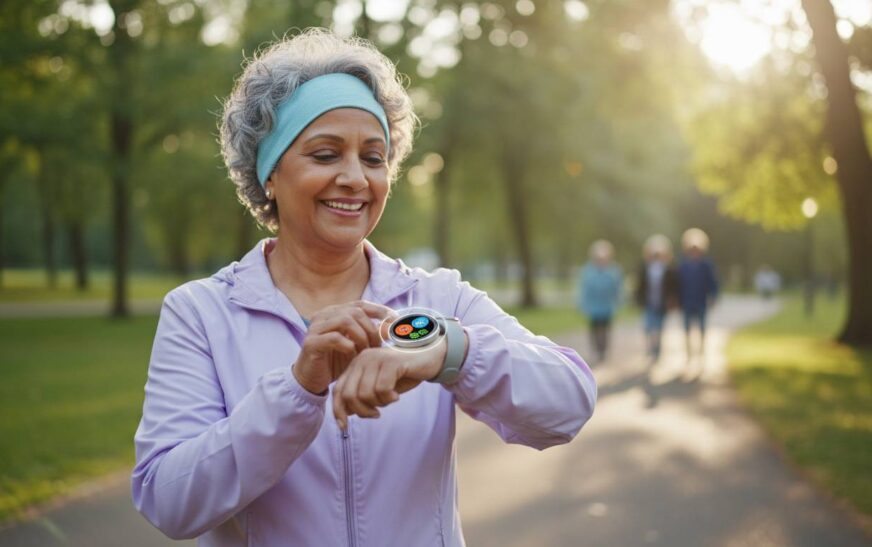
Choosing the right smartwatch becomes more important as we age. Seniors need devices that combine health monitoring, safety features, and genuine ease of use without the complexity that often comes with modern technology. This guide evaluates the top performers specifically designed with senior needs in mind.
What to Look for in a Senior-Friendly Smartwatch
Large Display and Simple Interface
Screen visibility and navigation simplicity matter most for seniors. A display measuring at least 1.4 inches makes reading notifications, health metrics, and incoming calls significantly easier for those with vision changes. Beyond size, the interface should have large touch targets, minimal menu nesting, and straightforward swipe gestures instead of complex button combinations. Some manufacturers offer “simplified mode” options that strip away advanced features to show only essential functions—many seniors find these far more approachable than full-featured interfaces.
Fall Detection and Emergency SOS
Fall detection has become essential for any smartwatch considered for senior users. According to CDC data, falls remain a leading cause of injury among adults over 65, making automatic fall detection a potentially life-saving feature. The best devices use accelerometer sensors combined with algorithms to distinguish between actual falls and normal movements like sitting down abruptly. When a fall is detected, the watch typically provides a countdown before automatically contacting emergency services and designated family members. Manual emergency SOS activation through a dedicated button provides additional peace of mind.
Heart Rate and Health Monitoring
Continuous heart rate monitoring serves both fitness tracking and health safety purposes. Devices with optical heart rate sensors can track resting heart rate, detect irregular rhythms, and alert users to potentially concerning patterns. Many senior-focused smartwatches now include blood oxygen (SpO2) monitoring, which proved valuable during respiratory illness concerns. Sleep tracking helps users understand recovery patterns, while some advanced models offer ECG capability for detecting atrial fibrillation. These health features should be accurate enough to provide genuinely useful data while remaining simple enough that seniors don’t need to interpret complex medical information.
Long Battery Life
Battery longevity matters enormously for senior users who may struggle with daily charging routines. A smartwatch requiring charging every 24 hours creates a burden that many seniors find frustrating, and forgotten charging leads to lost safety features when they’re needed most. The best options for seniors offer battery life spanning multiple days, with some fitness-focused devices lasting a full week or more on a single charge. This reliability ensures health monitoring and emergency features remain active continuously.
Affordable Price
Budget considerations often guide senior purchasing decisions, and smartwatches span a wide price range from under $100 to several hundred dollars. While premium devices offer more features, mid-range options increasingly include the essential safety and health monitoring features seniors need most. The goal should be finding the best value rather than automatically choosing either the cheapest or most expensive option. Many seniors appreciate knowing the exact price upfront without hidden subscription costs for core features.
Our Top Picks for Seniors
Apple Watch Series 10 – Best Overall
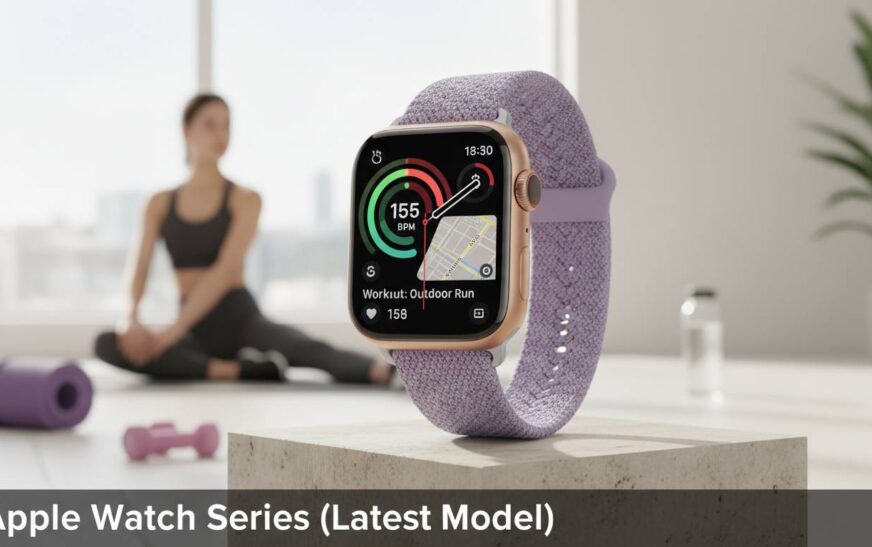
The Apple Watch Series 10 is the most comprehensive option for iPhone users who are comfortable with technology. This device brings together advanced health monitoring features in a package that requires some initial setup but delivers excellent performance once configured.
The larger display options (46mm case) significantly improve readability compared to earlier models, making notifications, time, and health metrics easier to see. Fall detection works automatically and has proven accurate in real-world testing, while the emergency SOS feature provides one-tap access to emergency services anywhere in the world. Heart rate monitoring runs continuously, and the device can detect irregular rhythms that might warrant medical attention.
The Series 10 adds temperature sensing for enhanced health tracking and improves sleep tracking accuracy. Crash detection adds another safety layer for those who drive, automatically contacting emergency services if a severe car collision is detected. The athletic loop band option proves comfortable for all-day wear, and the watch remains water-resistant for swimming workouts.
Setup requires an iPhone, which limits accessibility for Android users. The premium price point may give budget-conscious buyers pause. However, the ecosystem integration means incoming calls, messages, and health data sync seamlessly with other Apple devices family members might already own, making it easier for relatives to monitor health remotely.
Samsung Galaxy Watch 7 – Best for Android Users
Samsung’s Galaxy Watch 7 is the strongest option for seniors using Android smartphones. The device balances advanced capabilities with relatively straightforward navigation.
The BioActive sensor combination tracks heart rate, blood oxygen, and body composition metrics with reasonable accuracy for daily monitoring. Fall detection works similarly to Apple’s implementation, analyzing movement patterns to distinguish genuine falls from other motions. Emergency SOS features allow quick activation when needed, and the LTE cellular option enables the watch to work independently from a phone.
Samsung Health provides detailed fitness tracking alongside health insights, though some seniors may find the wealth of data slightly overwhelming at first. The interface has improved significantly in recent versions, making it easier to find basic functions.
The Galaxy Watch 7’s battery typically lasts two days with moderate use, falling short of some competitors but acceptable for users comfortable with nightly charging. The rotating bezel found on some Samsung models provides an alternative navigation method that some seniors prefer over pure touchscreen interaction.
Garmin Forerunner 165 – Best for Fitness Tracking
For seniors primarily interested in fitness tracking rather than extensive smart features, the Garmin Forerunner 165 delivers specialized workout capabilities without unnecessary complexity. Garmin has long specialized in fitness-focused devices, and this model brings that expertise to a more accessible price point.
The Forerunner 165 emphasizes workout tracking with built-in GPS for accurate distance and pace measurement during outdoor activities like walking, running, and cycling. Daily suggested workouts adapt based on recovery data, helping seniors maintain appropriate exercise intensity without overexertion. The body battery feature provides an intuitive measure of recovery status, presented as a simple 0-100 score that even users unfamiliar with advanced metrics can understand.
Health monitoring includes 24/7 heart rate tracking, stress measurement, and sleep analysis, though it lacks some advanced features like ECG or fall detection found in more expensive competitors. The battery life impresses, lasting up to seven days in smartwatch mode and over 20 hours with GPS enabled—significantly reducing charging frequency compared to Apple or Samsung options.
The monochrome display prioritizes readability over color richness, which actually benefits visibility in bright sunlight. However, this design choice means the watch looks less like a modern smartwatch and more like a dedicated fitness device.
Fitbit Sense 2 – Best Health-Focused Option
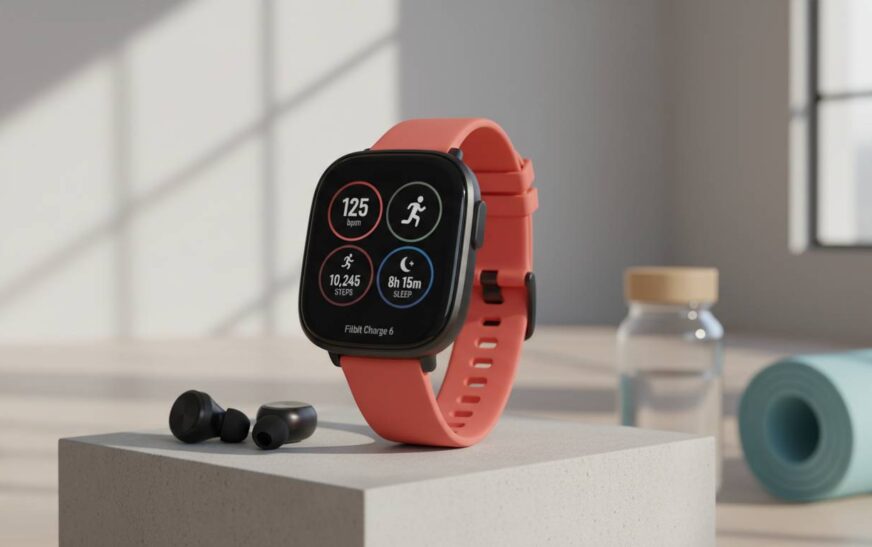
Fitbit’s Sense 2 places health monitoring at the forefront, making it particularly attractive for seniors prioritizing wellness tracking over other features.
The EDA (electrodermal activity) sensor measures stress responses through skin conductance changes, providing insights that some users find helpful for understanding how daily activities affect their wellbeing. Continuous heart rate tracking, blood oxygen monitoring, and skin temperature measurement round out the health features. Sleep tracking has long been Fitbit’s strength, and the Sense 2 continues this tradition with detailed sleep stage analysis and a daily sleep score.
Safety features include automatic fall detection (with Premium subscription) and the ability to quickly alert emergency contacts. However, some safety features require an additional subscription, which may frustrate users expecting full functionality out of the box.
Battery life reaches approximately six days with typical use, positioning the Sense 2 as a middle-ground option between daily-charging smartwatches and week-long fitness trackers. The design stays relatively slim and lightweight, which some users prefer for all-day comfort, though the square-ish face may not appeal to those preferring circular watch designs.
Apple Watch SE (2nd Generation) – Best Value
The Apple Watch SE (2nd generation) offers the most affordable entry point into the Apple ecosystem while maintaining core safety and health features essential for seniors. By removing some premium features, Apple created a version that focuses on what matters most without unnecessary cost.
Fall detection, crash detection, and emergency SOS all function identically to the Series 10, providing the same safety net at a significantly lower price point. Heart rate monitoring and notifications for irregular rhythms remain included, though ECG and blood oxygen sensing are omitted. For most users, these removed features represent nice-to-have capabilities rather than essential functions.
The Retina display remains large and clear, with sizes at 40mm and 44mm cases providing good visibility. The interface works identically to more expensive models, meaning seniors won’t sacrifice usability for the lower price. Family Setup allows managing the watch from a family member’s iPhone, which proves helpful for relatives wanting to ensure their loved ones stay connected.
Battery life matches the Series 10 at approximately 18 hours, requiring daily charging but delivering reliable performance throughout each day. The SE represents smart value for seniors wanting Apple quality without premium pricing.
Amazfit GTR 4 – Best Budget Option
For seniors seeking essential smartwatch features without significant investment, the Amazfit GTR 4 provides surprising capability at approximately one-third the cost of premium competitors.
The 14-day battery life eliminates charging anxiety entirely, a significant advantage for seniors who find daily routines challenging. GPS tracking works well for outdoor fitness activities, and basic health monitoring includes continuous heart rate, blood oxygen, and stress measurement. Sleep tracking provides nightly analysis, while the PAI (Personal Activity Intelligence) system offers a simple single-number summary of overall activity.
The interface takes some learning, as Amazfit’s Zepp app differs from more mainstream alternatives. Fall detection exists but requires manual enablement and doesn’t match the refinement of Apple or Samsung implementations. Emergency SOS features are limited compared to premium options, making this better suited for users focused on fitness tracking rather than safety monitoring.
Build quality feels appropriate for the price—serviceable but not premium. The circular design appeals to traditional watch preferences, and the display remains readable in various lighting conditions.
Comparison Table
| Feature | Apple Watch Series 10 | Samsung Galaxy Watch 7 | Garmin Forerunner 165 | Fitbit Sense 2 | Apple Watch SE | Amazfit GTR 4 |
|---|---|---|---|---|---|---|
| Display Size | 46mm | 44mm | 42mm | 40mm | 44mm | 46mm |
| Battery Life | 18 hours | 2 days | 7 days | 6 days | 18 hours | 14 days |
| Fall Detection | Yes | Yes | No | Yes* | Yes | Yes |
| Heart Rate | Yes | Yes | Yes | Yes | Yes | Yes |
| Blood Oxygen | Yes | Yes | No | Yes | No | Yes |
| ECG | Yes | Yes | No | No | No | No |
| GPS | Yes | Yes | Yes | No | Yes | Yes |
| LTE Option | Yes | Yes | No | Yes | Yes | No |
| Starting Price | $399 | $299 | $299 | $249 | $249 | $179 |
*Fitbit Sense 2 fall detection requires Premium subscription
Final Verdict
Selecting the best smartwatch for seniors ultimately depends on individual needs, existing technology preferences, and budget considerations. The Apple Watch Series 10 earns the overall recommendation for iPhone users seeking comprehensive health monitoring, safety features, and ecosystem integration, despite requiring daily charging and premium pricing. Android users find their best match in the Samsung Galaxy Watch 7, which delivers similar safety features with familiar Google integration.
For fitness-focused seniors prioritizing workout tracking over smart features, the Garmin Forerunner 165 offers exceptional value with outstanding battery life. Budget-conscious buyers shouldn’t overlook the Amazfit GTR 4, which provides basic functionality at a fraction of competitor prices, though it requires accepting some compromises in safety feature refinement.
Regardless of choice, modern smartwatches have reached a maturity level where even entry-level options provide genuinely useful health monitoring and safety features. The most important step is choosing a device the senior will actually wear consistently.
FAQs
What is the best smartwatch for elderly users with fall detection?
The Apple Watch Series 10 and Samsung Galaxy Watch 7 offer the most refined fall detection systems, using advanced algorithms to minimize false positives while accurately identifying genuine falls. Both automatically contact emergency services if the user remains unresponsive after the detection alert.
Are smartwatches worth it for seniors?
Yes, smartwatches provide genuine value for seniors through health monitoring, fall detection, and emergency connectivity. The peace of mind for both the senior and their family members often justifies the investment, particularly for those living independently.
Which smartwatch has the longest battery life for seniors?
The Amazfit GTR 4 offers approximately 14 days of battery life, followed closely by the Garmin Forerunner 165 at around 7 days. These options significantly reduce charging frequency compared to Apple and Samsung models requiring daily charging.
What is the easiest smartwatch for seniors to use?
The Apple Watch SE (2nd generation) provides the most straightforward user experience, particularly for those already familiar with iPhones. Its interface mirrors premium models while eliminating complex features that might confuse new users.
Do I need cellular service in a smartwatch for seniors?
Cellular (LTE) capability proves valuable for seniors who sometimes leave their phone behind, as it allows the smartwatch to maintain full functionality independently. However, this feature adds cost and typically requires an additional monthly service line.
Can a smartwatch replace medical alert devices for seniors?
While smartwatches like the Apple Watch include similar emergency features to traditional medical alert systems, they depend on the watch being worn and charged. Some seniors may prefer dedicated medical alert devices that offer simpler interfaces and longer battery life, though smartwatches provide more comprehensive functionality when used consistently.