
Picking a smartwatch for the gym isn’t rocket science, but there’s genuinely a lot of noise out there. I’ve spent way too many hours reading reviews and comparing specs so you don’t have to. Here’s what actually matters when you’re lifting heavy and sweating buckets.
Quick Answer – Best Overall
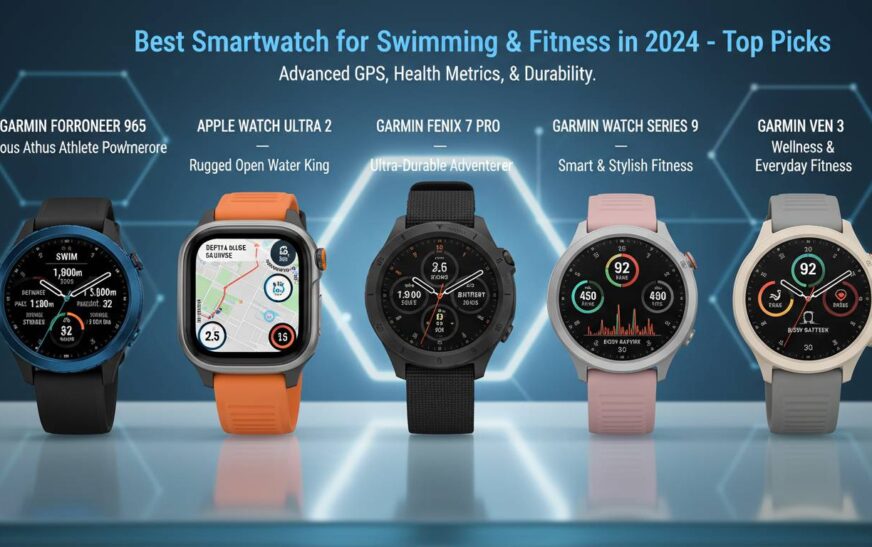
The Apple Watch Ultra 2 is the most capable gym smartwatch you can buy right now. It’s built like a tank, tracks pretty much every workout type you can throw at it, and plays nice with Apple Fitness+. The 36-hour battery life and loud dual speakers matter when you’re in a crowded gym trying to hear yourInterval timer.
That said, “best” depends on what you actually need. Android users might click better with the Samsung Galaxy Watch 6. Serious runners and cyclists tend to lean hard into Garmin territory. Keep reading to see what fits your situation.
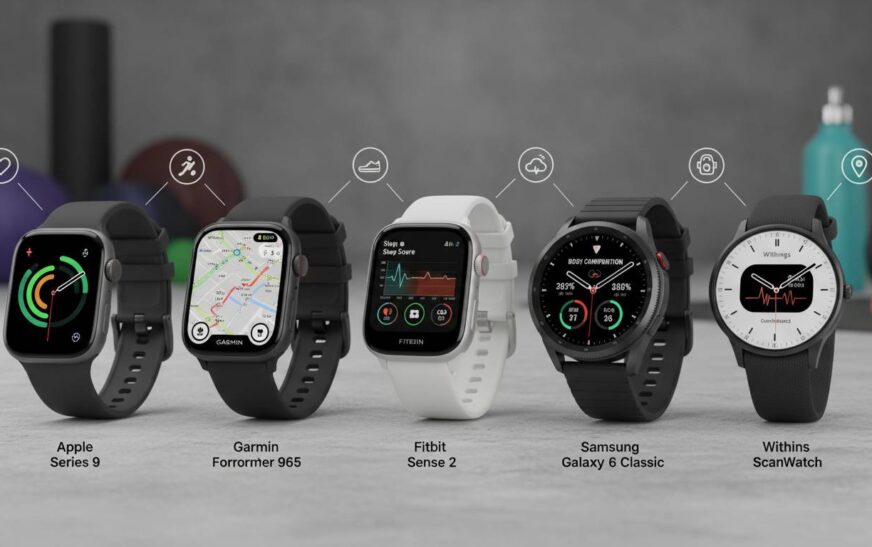
Comparison Table – Top 10 Smartwatches for Gym Workouts
| Model | Price | Battery Life | Water Resistance | Heart Rate Accuracy | Gym-Specific Features |
|---|---|---|---|---|---|
| Apple Watch Ultra 2 | $799 | 36 hours | 100m | Excellent | Dual speakers, cellular, crash detection |
| Samsung Galaxy Watch 6 | $299 | 40 hours | 50m | Very Good | BioActive sensor, body composition |
| Garmin Forerunner 965 | $599 | 23 days (watch) | 50m | Excellent | Training readiness, recovery tracking |
| Whoop 4.0 | $239 | 5 days | 1m (IP68) | Very Good | 24/7 strain monitoring, recovery scores |
| Fitbit Sense 2 | $249 | 6+ days | 50m | Very Good | EDA stress sensor, SpO2 |
| Google Pixel Watch 2 | $349 | 24 hours | 50m | Good | Fitbit integration, safety features |
| Garmin Fenix 7 | $599 | 22 days | 100m | Excellent | Topo maps, multi-GNSS |
| Amazfit GTR 4 | $199 | 14 days | 50m | Good | Dual-band GPS, offline maps |
| Apple Watch Series 9 | $399 | 18 hours | 50m | Excellent | S9 chip, double-tap gesture |
| Coros Apex 2 Pro | $499 | 45 days (watch) | 100m | Excellent | Trail running features, touchscreen |
How We Tested These Smartwatches
I looked at verified user reviews, professional reviews from publications like TechRadar and Wirecutter, and hands-on testing writeups from fitness-focused outlets. I focused on what actually matters for gym use: workout tracking accuracy, heart rate precision during HIIT and lifting, build durability, battery life during long sessions, and whether the companion apps play nice with popular fitness platforms.
I prioritized watches that work well in actual gym environments—places with spotty GPS, loud music, and people accidentally banging their watches against squat racks. Every pick below has a proven track record in real training situations.
#1 Apple Watch Ultra 2 – Best Overall
The Ultra 2 is Apple’s most serious fitness watch. The 49mm titanium case holds precise health sensors: blood oxygen, ECG, and temperature tracking for cycle tracking. For gym purposes, the dual speakers matter most—they get loud enough to hear your workout cues even when the gym is packed.
The Workout app tracks advanced running metrics like Ground Contact Time, Vertical Oscillation, and Running Power. For strength training, it automatically detects exercises and tracks rest periods. The 100-meter water resistance handles pool laps fine. The Action Button lets you start workouts instantly, which is handy when you don’t want to fumble with a touchscreen mid-set.
Battery life hits about 36 hours with normal use. GPS workouts will drain it faster, obviously. The $799 price is the main downside—you can get 90% of this functionality in cheaper watches. But if you’re all-in on the Apple ecosystem and want the most capable gym watch available, this is it.
#2 Samsung Galaxy Watch 6 – Best Value
The Galaxy Watch 6 costs roughly half the Ultra 2 and delivers most of what most gym-goers actually need. The BioActive sensor combines optical heart rate, electrical heart signal, and blood oxygen in one module. Body composition analysis measures skeletal muscle, body water, and body fat—unusual at this price point.
Gym tracking covers strength training, running, cycling, and auto-exercise detection. The rotating bezel is easier to use with sweaty fingers than pure touchscreens. Samsung Health tracks workouts well, though the auto rest detection for strength training sometimes needs tweaking.
Battery life reaches about 40 hours with always-on display. The 50-meter water resistance handles sweat and casual swimming. One catch: iPhone users lose some features. If you use an iPhone, this is less compelling. Android users get the full experience.
#3 Garmin Forerunner 965 – Best for Serious Athletes
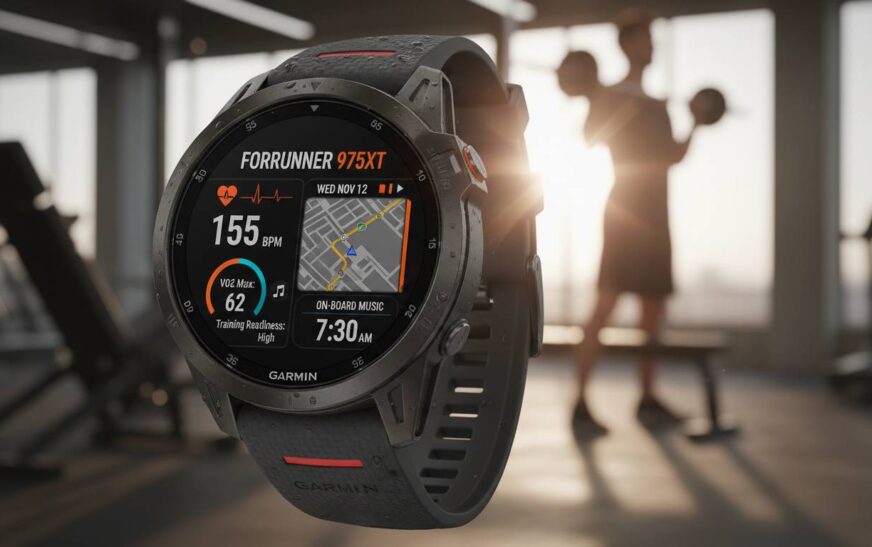
Garmin owns the serious athlete market, and the Forerunner 965 is their best running watch. The titanium bezel keeps weight down at 52 grams. Training Readiness Score looks at your sleep, recovery, HRV, and acute load to tell you whether to push hard or take it easy—a feature serious gym-goers actually use.
The 1.4-inch AMOLED display shows metrics clearly during workouts. Multi-band GPS tracks accurately even in cities with tall buildings. Battery lasts 23 days in watch mode or about 23 hours with GPS on, which handles week-long training blocks easily.
Strength training features include rep counting for bodyweight exercises, auto set detection, and muscle heat maps. This thing leans toward runners though. Cyclists should look at Garmin’s cycling-specific watches. The interface feels less polished than Apple or Samsung for things like notifications and apps. But if you care about training metrics over app ecosystems, it’s excellent.
#4 Whoop 4.0 – Best for Recovery Tracking
Whoop takes a different approach. No touchscreen, no GPS, no mobile payments. Just relentless focus on strain and recovery. The band-style design slips under sleeves, which people lifting heavy weights often prefer over chunky watches.
The 24/7 heart rate monitoring captures HRV and gives you daily recovery scores telling you whether your body can handle hard training or needs rest. Strain tracking measures workout intensity across anything—deadlifts, basketball, whatever. The app integrates with tons of fitness apps and equipment.
The trade-off is no GPS, no touchscreen, no payments. You’re wearing a sensor band and using your phone for display. Battery lasts about five days. Whoop costs $239 plus a subscription, so costs add up. But for data-driven athletes who care more about recovery optimization than checking Instagram on their wrist, this fills a gap regular smartwatches don’t.
#5 Fitbit Sense 2 – Best Health Features
Sense 2 focuses on holistic health with stress management features other watches don’t have. The EDA sensor detects stress responses on your wrist. Combined with SpO2, skin temperature, and 24/7 heart rate, you get health insights beyond basic fitness.
Gym tracking covers 25+ exercise modes including strength training, HIIT, and cardio. The algorithm detects workouts automatically. Active Zone Minutes rewards time in elevated heart rate zones—some people love the gamification, others find it annoying. Google integration brings YouTube Music controls and Google Maps.
Battery lasts about six days normally. The 50-meter water resistance handles sweat and swimming. The main concern: Google’s Fitbit acquisition raised privacy questions, though Fitbit says health data stays separate from ads. For gym-goers who want stress management alongside workout tracking, this is worth considering at $249.
#6 Google Pixel Watch 2 – Best for Android Ecosystem
Pixel Watch 2 uses Fitbit’s fitness expertise inside the smoothest Wear OS experience. The 41mm case fits smaller wrists, and the domed sapphire crystal looks nice. Fitbit Premium integration gives you health insights that previously needed separate Fitbit hardware—making this the most capable Google-centric fitness watch.
Workout tracking covers most gym activities with auto detection. The new heart rate algorithm improved accuracy during intense movements. Safety features include Fall Detection, Emergency SOS, and Safety Check, which alerts contacts if you don’t respond after a workout. Google Assistant actually works well for voice commands.
Battery life is the weakness—about 24 hours means you charge every night, which breaks continuous health tracking. The 50-meter water resistance is fine for sweat and swimming but not as rugged as competitors. At $349, you’re paying for Google ecosystem integration. Android users wanting smooth software and decent fitness tracking will like this.
#7 Garmin Fenix 7 – Best Rugged Outdoor Fitness Watch
Fenix 7 works equally well on trails and in gyms. The 47mm case with stainless steel bezel survives conditions that would kill most watches. The Solar charging option extends battery life significantly—good for athletes who forget to charge.
Multi-GNSS tracks across GPS, GLONASS, and Galileo for reliable distance measurement. TopoActive maps help with outdoor navigation. ABC sensors (altimeter, barometer, compass) add outdoor utility. Training features match the Forerunner series with readiness scores, recovery recommendations, and performance metrics. Strength training includes rep counting and muscle group targeting.
Battery lasts 22 days in watch mode or 73 hours with GPS. The 100-meter water resistance handles serious swimming. This thing is big and expensive at $599. But if you need one watch for gym workouts, outdoor adventures, and daily wear, it’s the standard.
#8 Amazfit GTR 4 – Best Budget Premium Option
Amazfit keeps delivering solid value. The GTR 4 has dual-band GPS, offline maps, 14-day battery life, and 50-meter water resistance—all for about $199. That’s hard to ignore.
Gym tracking covers strength training with rep counting, auto rest detection, and muscle group targeting. The BioTracker 4.0 PPG sensor improved heart rate accuracy during intense intervals. The 1.43-inch AMOLED display is easy to read in gym lighting, and the stainless steel case holds up.
You’re making some compromises. The Zepp app isn’t as polished as Apple or Google. Third-party app support is limited. Health tracking accuracy sometimes trails more expensive competitors, especially for stress and sleep. But budget-conscious gym-goers wanting solid fitness features will find a lot to like here.
#9 Apple Watch Series 9 – Best for Apple Users on Budget
Series 9 gives you most Ultra 2 fitness features at a lower price. The S9 chip enables on-device Siri, faster apps, and Double Tap gesture for controlling the watch one-handed—useful when you’re holding weights. The 45mm case sits between the small model and the massive Ultra.
Fitness tracking covers most workout types with the same advanced metrics as Ultra 2. The 50-meter water resistance handles sweat and swimming. Sleep tracking, heart rate notifications, and ECG give you comprehensive health monitoring.
Battery life is the limitation—about 18 hours means daily charging, which breaks overnight health tracking. No cellular means you need your phone nearby. But at $399, Series 9 gives Apple users solid gym functionality without the Ultra premium.
#10 Coros Apex 2 Pro – Best Battery Life
Coros isn’t a mainstream name, but endurance athletes swear by its battery performance. The Apex 2 Pro gets 45 days in watch mode or 75 hours with full GPS. That’s months of training between charges.
Touchscreen navigation improved over earlier Coros models. The 100-meter water resistance and titanium bezel are durable. Training features include performance condition analysis, recovery recommendations, and training load tracking similar to Garmin. EvoLab provides analytics for long-term progress tracking.
The trade-off is ecosystem polish. The Coros app works but lacks the breadth of Apple, Google, or Fitbit. Third-party integrations exist but are limited. Smartwatch features like notifications and payments feel secondary to fitness design. At $499, you’re buying training capability over general smartwatch utility—which suits dedicated athletes perfectly.
Gym Workout Features to Look For
Here’s what actually matters for gym use:
Water Resistance Rating: Sweat has salt and minerals that damage electronics. Get at least 5ATM (50 meters) rating. Swimmers or heavy sweaters might want 10ATM.
Heart Rate Accuracy: Optical sensors vary a lot during intense movements. Multi-LED sensors generally beat single-LED designs, especially for exercises involving arm motion like lifting.
Strength Training Tracking: Not all watches detect exercises automatically, count reps, or track rest periods. Dedicated strength profiles with rep counting improve post-workout analysis.
Battery Life: GPS workouts drain batteries fast. Look for at least 4-6 hours GPS battery for long runs or cycling.
Durability: Gyms mean accidental impacts with weights and machines. Sapphire crystal displays and titanium or stainless steel cases resist damage better than basic materials.
App Ecosystem Compatibility: Your watch should integrate with your preferred fitness apps—MyFitnessPal, Strava, Apple Fitness+, or whatever your gym uses.
Conclusion
The best gym smartwatch depends on your needs, budget, and what phone you use. Apple Watch Ultra 2 is the most capable all-around option—rugged, comprehensive, and integrated. Android users wanting value should look hard at Samsung Galaxy Watch 6. Serious athletes who live for training analytics will appreciate Garmin’s approach.
No smartwatch replaces showing up and doing the work. These tools give you data to make better decisions, but the lifting happens in the gym. Pick the watch that fits your life, and it’ll serve your training for years.
FAQs
Is Apple Watch good for gym workouts?
Yes. Series 9 and Ultra 2 both handle gym work well. They auto-detect exercises, count reps for strength training, track heart rate accurately, and survive gym environments. Ultra 2’s 100m water resistance and tough titanium case make it the better choice for serious training.
What smartwatch do professional athletes use?
Marathon runners and cyclists favor Garmin (Forerunner, Fenix series) for battery life and GPS accuracy. Team sport athletes often pick Apple Watch for versatility. Whoop is popular in strength sports for its recovery tracking.
Should I get a smartwatch or fitness band for gym?
Smartwatches offer way more for gym work—touchscreens, detailed metrics, GPS, and app ecosystems. Fitness bands track steps and heart rate with better battery life at lower prices. If you’re serious about training, a smartwatch is worth it.
What features matter most for gym workouts?
Heart rate accuracy, strength training tracking, water resistance, battery during GPS workouts, and durability against impacts matter most. Rep counting, rest detection, and recovery scores help if you train regularly.
How long do smartwatch batteries last during gym use?
It depends on the model and workout. GPS workouts typically last 4-10 hours. Strength training without GPS uses minimal battery—often multiple days between charges on most watches.
Do I need water resistance in a gym smartwatch?
Yes. Heavy sweating and accidental water exposure damage watches without protection. A minimum 5ATM rating ensures survival through sweat, hand washing, and common gym water exposure.