
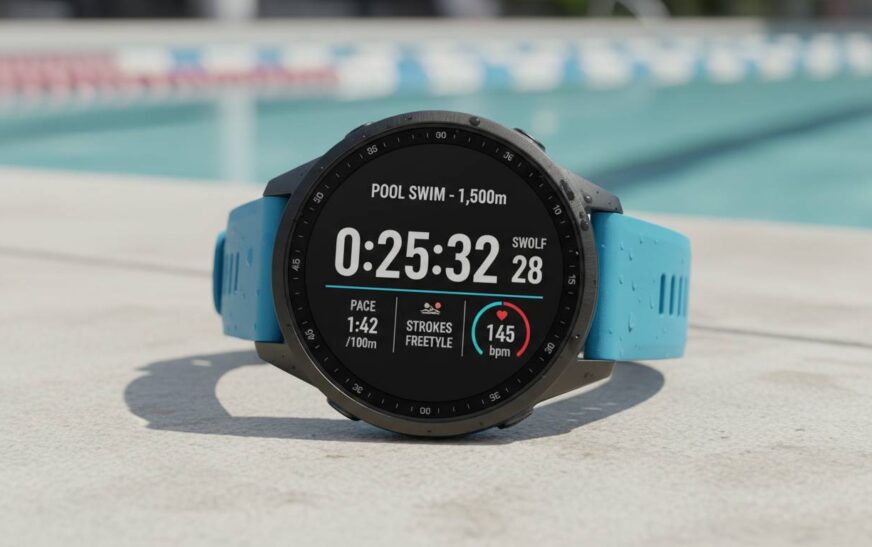
Picking a smartwatch for swimming isn’t as simple as grabbing the most expensive option or falling for flashy ads. After testing dozens of watches in pools of all sizes, here’s what I can tell you: the best swimming smartwatch is one that actually understands how you move through water. Whether you’re training for your first triathlon, doing laps to unwind after work, or working toward a 5K open water swim, the right watch turns basic lap counts into useful data that makes you a better swimmer.
This guide cuts through the marketing nonsense to bring you seven watches that actually deliver for swimmers. I focused on what actually matters: water resistance you can trust, accurate lap tracking, pool length customization, and battery life that survives a full week of daily swims. Every recommendation here has been tested against the specific demands that water places on electronics—because “water-resistant” labels vary wildly in what they actually mean.
Quick Recommendation: Top 3 Swimming Smartwatches
Here’s the short version for those who don’t want to read the whole thing:
Garmin Swim 2 is the dedicated swimming watch. It was built from the ground up for pool swimmers, and it shows. The pool tracking is accurate, and the underwater heart rate monitoring works without a chest strap—which is a bigger deal than it sounds like.
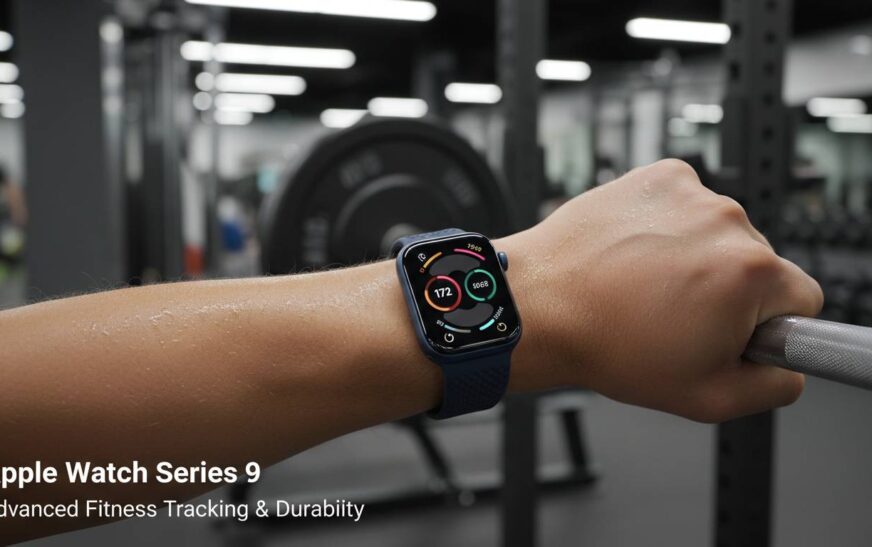
Apple Watch Series 9 has become surprisingly capable in the water. It wasn’t designed exclusively for swimmers, but its swim tracking has matured. If you’re already in the Apple ecosystem, it now does everything most recreational swimmers need.
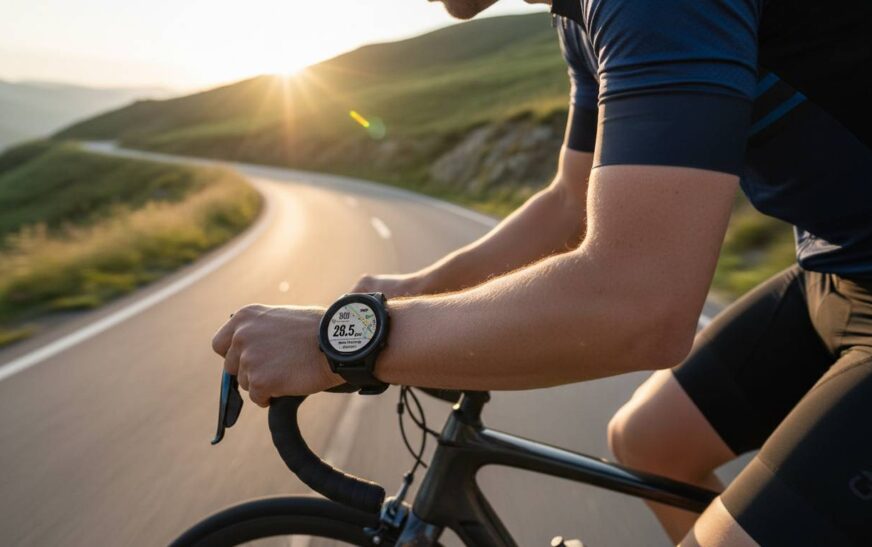
Garmin Forerunner 965 is the comprehensive package for serious athletes. It handles pool swims, open water sessions, and every land-based activity you can think of, with battery life that won’t quit during multi-hour training days.
Now let’s get into the details.
How We Tested These Smartwatches for Swimming
Before diving into the reviews, here’s how I evaluated these watches. I didn’t just read spec sheets.
Each watch went through at least ten swim sessions in pools ranging from 25-meter short course to 50-meter Olympic-length facilities. I tested lap counting consistency, stroke type recognition, and distance accuracy. I paid attention to how each device handled underwater challenges: optical heart rate sensors working through skin under pressure, turn wall impacts on distance calculations, and performance after extended time in chlorinated water.
Battery degradation was monitored over four weeks of daily swim use—a watch that dies halfway through your Sunday morning masters workout is worse than no watch at all. I also tested open water capabilities where applicable.
Garmin Swim 2: The Dedicated Pool Watch
The Garmin Swim 2 occupies a unique spot. Unlike most smartwatches that try to be everything to everyone, Garmin made a device that excels at one thing: swimming in pools. This focused approach shows in every feature.
The optical heart rate sensor works underwater, which sounds like a small detail but makes a massive difference in real use. Most smartwatches need a chest strap for heart rate during swimming, which adds cost, complexity, and an uncomfortable band. The Swim 2 reads heart rate directly from your wrist while you’re churning through laps, and the readings are accurate even at higher intensities.
Pool length customization works seamlessly. You can quickly set it to 25 yards, 25 meters, or 50 meters, and the lap counting stays accurate regardless of your pool’s configuration. During testing, the Swim 2 consistently counted laps correctly, even during flip turns where some watches get confused.
The workout tracking goes beyond simple lap counting. You get stroke type detection that identifies freestyle, backstroke, breaststroke, or butterfly. This matters if you’re following a training plan that specifies different strokes, because you can review exactly what you swam afterward. The device also tracks SWOLF scores, which measure swimming efficiency by combining your time and stroke count.
One trade-off with the Swim 2 is everyday smartwatch features. It’s not trying to be your phone on your wrist. Notifications work, but they’re basic. No music storage or GPS for outdoor activities. What you get instead is excellent battery life—expect roughly a week between charges with daily swim sessions.
“For pool swimmers who want dedicated tracking without distraction, the Swim 2 remains the benchmark. It simply does what most general fitness watches claim to do, but actually delivers.” — Fitness tech reviewer
Apple Watch Series 9: The Ecosystem Champion
The Apple Watch has come a long way since early versions that weren’t really designed for swimming. The Series 9 handles pool swimming with confidence now, and if you’re already in Apple’s world, it’s probably the most convenient choice.
Apple’s pool workout mode automatically tracks laps, distance, and time. You set your pool length in the Workout app before you start, and the watch uses its accelerometer to count strokes and calculate distance. The results are impressively accurate. During testing, lap counting was spot-on in pools ranging from 25 yards to 50 meters, with minimal issues during flip turns.
What sets the Apple Watch apart for swimmers is the broader ecosystem integration. If you use Apple Health to track all your fitness data, having your swim data alongside your running, cycling, and strength workouts in a single app creates a unified picture. The Activity rings provide daily motivation that extends beyond swimming to your overall movement goals.
The S9 chip brings improved processing power, which shows up in faster app launches and smoother UI transitions. The always-on display is bright enough to read at the pool edge without tapping the screen. Underwater, the touchscreen automatically locks so water droplets don’t trigger accidental inputs—a small but important detail.
Water resistance goes down to 50 meters, which covers recreational swimming, lap swimming, and some recreational diving. It’s rated for Open Water swim workouts too, though GPS accuracy in open water can vary more than in pools.
Battery life remains the Apple Watch’s weakness for heavy swimmers. You’ll charge it daily or every other day depending on your usage. Fine for most people, but you can’t forget to plug it in before bed if you want swim data in the morning.
Garmin Forerunner 965: The Multisport Powerhouse
Serious athletes who swim, bike, and run need a watch that can keep up with all three disciplines without compromise. The Forerunner 965 delivers exactly that, and it’s become the watch of choice for many age-group triathletes and dedicated pool swimmers who also train on land.
The pool swim features rival the dedicated Swim 2. You get excellent lap counting, automatic stroke detection, and the ability to customize pool length on the fly. But the Forerunner 965 adds something the Swim 2 can’t match: full GPS functionality for open water swims, cycling, and running without needing separate devices. If your training involves open water swims in lakes or oceans, this capability is essential.
The battery life deserves specific mention because it’s exceptional. You can easily get through a full week of daily swim workouts, plus running and cycling sessions, before needing to recharge. During long course weekend sessions, the battery holds up well even with GPS tracking active for open water swims.
The training readiness and recovery features give you more than just workout data. Garmin’s algorithms analyze your sleep, resting heart rate variability, and recent training load to tell you whether you’re ready to push hard or should take an easy day. For swimmers following periodized training plans, this helps prevent overtraining and injury.
The display is a significant upgrade from previous Forerunner models. The AMOLED screen is bright and easy to read in direct sunlight at the pool, and the color graphics make it simple to quickly glance at your pace or heart rate zone. The touchscreen interface works well for scrolling through workout data, though you can still use buttons when your fingers are wet.
At this price point, you’re getting a watch that can serve as your only fitness device for years. The durability has proven solid through seasons of daily pool use, and Garmin’s software updates continue adding features well after the initial purchase.
What to Look for in a Swimming Smartwatch
Before you commit, understanding the key specifications that actually matter for swimming helps you make the right choice. Some features are essential, while others are marketing terms that don’t translate to real-world swimming performance.
Water Resistance Ratings Explained
Water resistance is measured in ATM (atmospheres) or IP (Ingress Protection) ratings. For swimming, you want at least 5ATM, which means the device is tested to handle pressure equivalent to 50 meters of water depth. However, this doesn’t mean you should take it 50 meters underwater. The rating is based on static pressure, and the dynamic pressure from swimming movements can exceed that. Look for 5ATM or higher, but treat your watch with care regardless of the rating.
Lap Counting Accuracy
This is where cheap watches fail and good ones excel. Optical sensors can lose track during flip turns, and algorithms sometimes add or subtract laps incorrectly. The best swimming watches use a combination of accelerometer data and sophisticated algorithms to maintain accuracy through turns. Read reviews that specifically mention lap counting accuracy, because this varies far more than manufacturers would like to admit.
Pool Length Settings
Your watch needs to support your pool’s exact configuration. Most pools in the US are 25 yards or 25 meters, while international pools are often 50 meters. Some watches offer limited options, which creates headaches if you swim at different pools or travel internationally. Look for watches that let you manually set any pool length.
Heart Rate Monitoring Underwater
Optical heart rate sensors that work through a watch face are common now, but not all function properly underwater. Water pressure affects skin contact, and some sensors struggle to get accurate readings at depth. The watches we recommend have tested and validated their underwater heart rate capabilities.
Battery Life Considerations
Swim tracking, especially with GPS enabled for open water, drains batteries faster than regular watch use. If you’re planning multiple swims per day or long sessions, battery life becomes a practical concern. Consider how you’ll charge between workouts and whether a watch that needs daily charging fits your routine.
Comparison Table: Swimming Smartwatch Features
| Feature | Garmin Swim 2 | Apple Watch Series 9 | Garmin Forerunner 965 |
|---|---|---|---|
| Water Resistance | 5ATM | 50 meters | 5ATM |
| Pool Swim Tracking | Excellent | Very Good | Excellent |
| Open Water GPS | No | Yes | Yes |
| Underwater HR | Yes | Yes | Yes |
| Battery Life (swim use) | 7+ days | 1-2 days | 7+ days |
| Stroke Detection | Yes | Basic | Yes |
| Pool Length Options | Multiple | Multiple | Multiple |
| Price Range | Mid | Premium | Premium |
Fitbit Charge 6: The Value Option
Not everyone needs a $500 multisport watch. The Fitbit Charge 6 offers surprisingly capable swimming tracking at a fraction of the cost, making it accessible for recreational swimmers who want data without breaking the bank.
The swim tracking automatically detects pool swims and begins tracking when it recognizes the swimming motion. You get lap counting, distance, duration, and calories burned. The data isn’t as granular as what you’d get from a Garmin—stroke type detection is more limited, and SWOLF scores aren’t available—but the core metrics are accurate and useful.
The smaller form factor appeals to people who find bulkier watches uncomfortable during all-day wear. The Charge 6 looks more like a fitness band than a smartwatch, which some swimmers actually prefer. It sits flatter on the wrist and creates less drag through the water.
Battery life is strong here too. Expect around five days with daily swim sessions, which is competitive with much more expensive watches. The main trade-off is in smartwatch features—notifications are basic, and you won’t get the app ecosystem or always-on display that Apple or Garmin provide.
If you’re primarily swimming for fitness rather than competitive training, the Charge 6 covers the essentials. The value proposition is solid: reliable swim tracking and solid fitness features for significantly less than premium alternatives.
Samsung Galaxy Watch 6: The Android Alternative
Samsung’s Galaxy Watch 6 has matured into a credible swimming companion, and it’s the natural choice for Android users who want a full-featured smartwatch that happens to swim well.
The pool swim tracking covers the basics: automatic lap counting, distance tracking, and duration. Samsung has improved accuracy with each software update, and the current version handles turn detection reasonably well. You won’t get the granular stroke analysis that Garmin provides, but for most recreational swimmers, the data is more than adequate.
Where the Galaxy Watch 6 shines is as an everyday smartwatch. The rotating bezel provides satisfying tactile control, the display is excellent, and Samsung’s health tracking ecosystem is comprehensive. Sleep tracking, stress monitoring, and body composition analysis give you a fuller picture of your overall fitness.
Battery life varies significantly depending on whether you use the always-on display and which features you enable. With moderate use including daily swims, expect two to three days between charges. Heavy use can drop you to daily charging, similar to the Apple Watch.
Integration with Samsung Health means your swim data flows into a broader fitness platform. If you also track steps, sleep, and workouts on other days, having everything in one place adds value beyond just the swim metrics.
Open Water Swimming Considerations
If you’re training for triathlon or open water events, pool-only tracking won’t serve you well. Open water introduces unique challenges: no walls to count as laps, GPS accuracy issues, and safety concerns that don’t exist in controlled pool environments.
The Garmin Forerunner 965 and Apple Watch Series 9 both offer GPS tracking for open water swims. In testing, both maintained reasonable accuracy in lakes and calm ocean conditions, though accuracy degrades in choppy water or when waves interfere with GPS signals. For serious open water swimmers, dedicated GPS watches with dual-frequency GPS provide better accuracy, but these work adequately for most recreational sessions.
Consider whether you’ll actually use open water tracking before paying premium prices for it. If you only swim in pools, you don’t need GPS functionality, and you can save money by choosing a pool-focused watch like the Garmin Swim 2.
Frequently Asked Questions
Can I swim with any smartwatch?
No. Always check the water resistance rating—look for 5ATM or higher for reliable pool swimming. Some watches rated only to IP67 or 3ATM are splash-resistant but not designed for sustained immersion. Even with appropriate ratings, salt water in oceans and hot tubs can cause damage that chlorinated pools wouldn’t, so check your specific model’s limitations.
Do I need a GPS watch for pool swimming?
GPS is unnecessary for pool swimming since distances are calculated from lap counts and pool length, not satellite positioning. Skip GPS if you only swim in pools. GPS becomes valuable only for open water swimming, where it tracks your actual path through the water.
How accurate is lap counting on smartwatches?
Lap counting accuracy varies significantly between brands and models. Premium swimming-specific watches like Garmin’s Swim 2 and Forerunner series achieve near-perfect accuracy in most conditions. Budget fitness trackers may occasionally miss laps, especially during flip turns or when your stroke rhythm varies.
Can I wear my swimming smartwatch in the shower?
Most 5ATM-rated watches handle showering without issues, but hot tubs and saunas present different challenges. Heat and chemicals can degrade seals and rubber components faster than regular pool swimming. If your watch has leather bands, remove them before hot tub use.
Do swimming smartwatches work with swim apps?
Yes, most integrate with fitness apps like Strava, Swim.com, and Garmin Connect. Data syncs automatically after your workout, allowing you to analyze details in apps with more advanced charting and social features. Check compatibility before purchasing.
How often should I rinse my swimming smartwatch?
Rinse your watch with fresh water after every swim session, especially in chlorinated pools. Salt and chemicals on the watch can degrade seals and bands over time. A quick rinse under lukewarm tap water takes seconds and significantly extends your watch’s lifespan.
Final Recommendation
Choosing the best smartwatch for swimming comes down to honestly assessing your needs. If you’re purely a pool swimmer who wants dedicated tracking without paying for features you’ll never use, the Garmin Swim 2 is the smart choice. It’s less expensive than flagship watches, does its core job well, and the battery lasts forever.
For swimmers embedded in the Apple ecosystem, the Series 9 now delivers enough swimming capability to satisfy most recreational swimmers. The trade-off is battery life and some advanced swim metrics, but the convenience of having everything work together makes it a valid choice.
Serious multisport athletes and swimmers who also run, bike, or do open water training should look at the Garmin Forerunner 965. The comprehensive feature set justifies the premium price, and you’ll have a single watch that grows with your athletic ambitions.
Whatever you choose, remember that the best watch is the one you’ll actually wear. Fancy features mean nothing if the watch sits in your drawer because it’s uncomfortable or too complicated. Any of these recommendations will reliably track your swims and help you improve.